Official Government of the Virgin Islands Website

Restoring Coki Reef: Coral Recovery with Science and Community

The Coral World Ocean & Reef Initiative has started an ambitious new project that aims to breathe life back into Coki Reef

WORDS & PHOTOGRAPHY BY DAN MELE

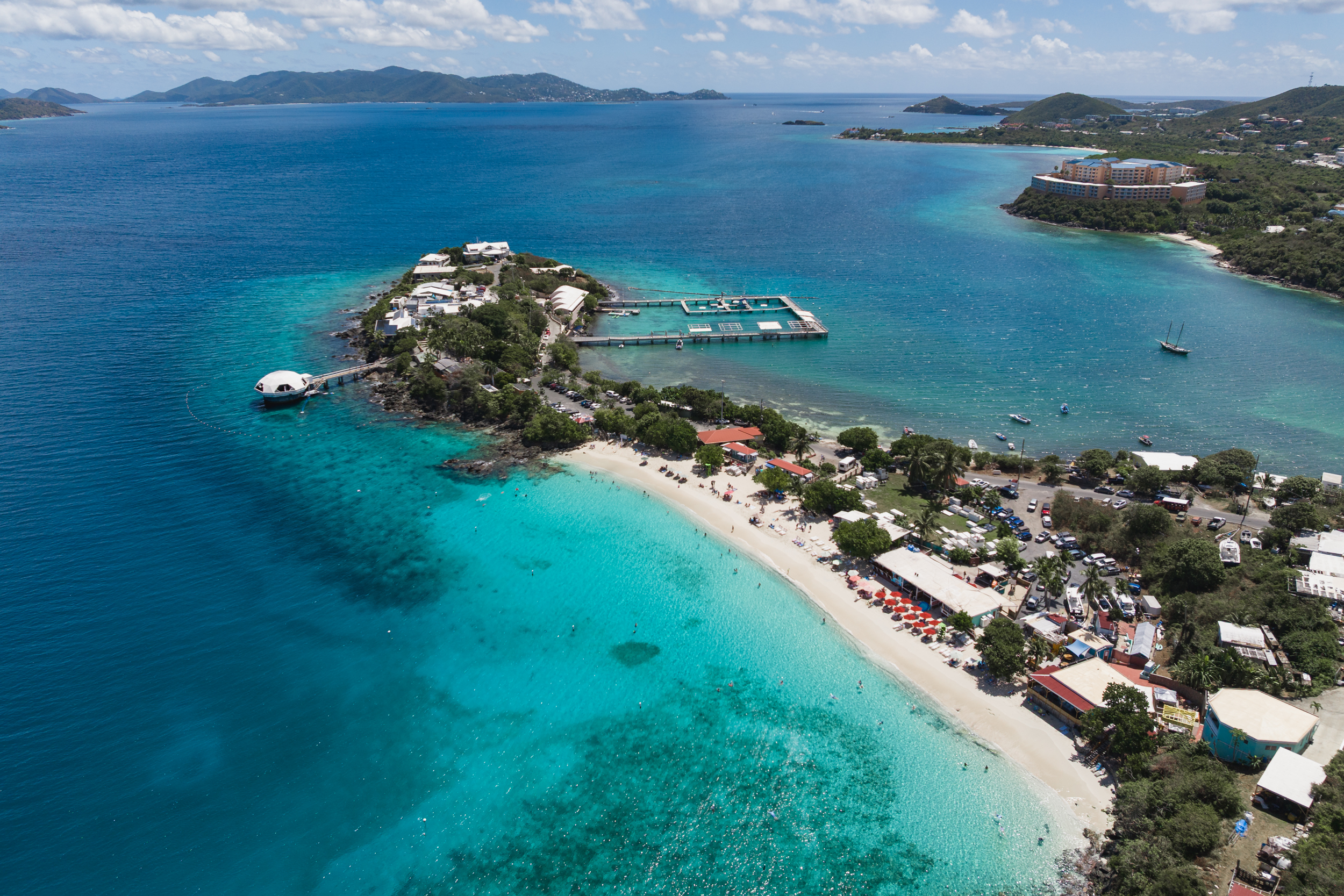
Coki Beach in St. Thomas is a lively gathering place where locals, tourists, and scuba divers all share the same shoreline. Just offshore, Coki Reef offers a glimpse of the island’s underwater world, drawing divers to explore its marine life. Photo: Dan Mele

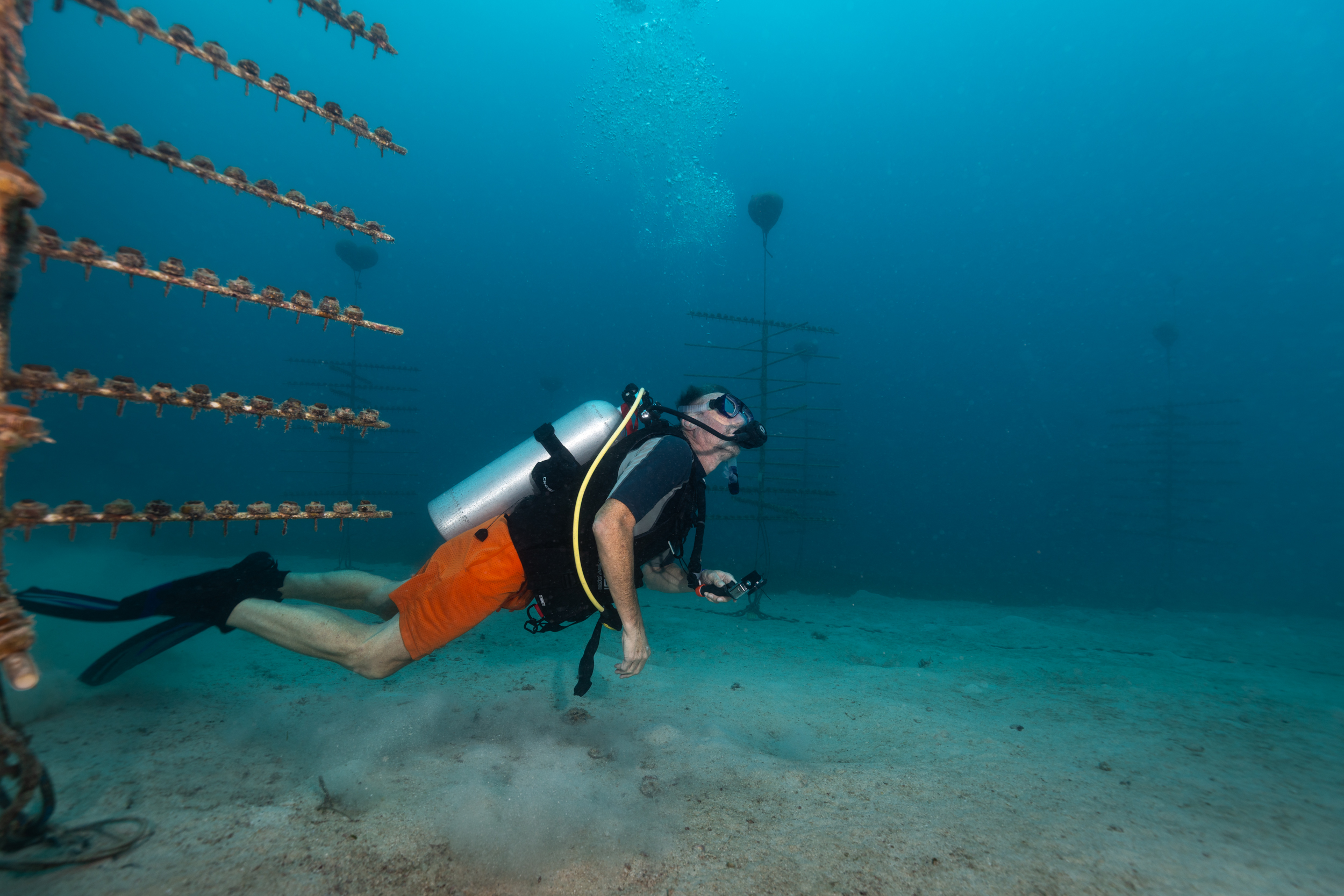
Clear Caribbean water surrounded Ray, a visitor from New York, as he drifted over Coki Reef in the U.S. Virgin Islands (USVI) on a guided scuba dive with the Coral World Ocean & Reef Initiative (CWORI). This was his second time visiting the reef, having first explored it several years earlier during a past vacation. Now, returning after all that time, this dive revealed something new.

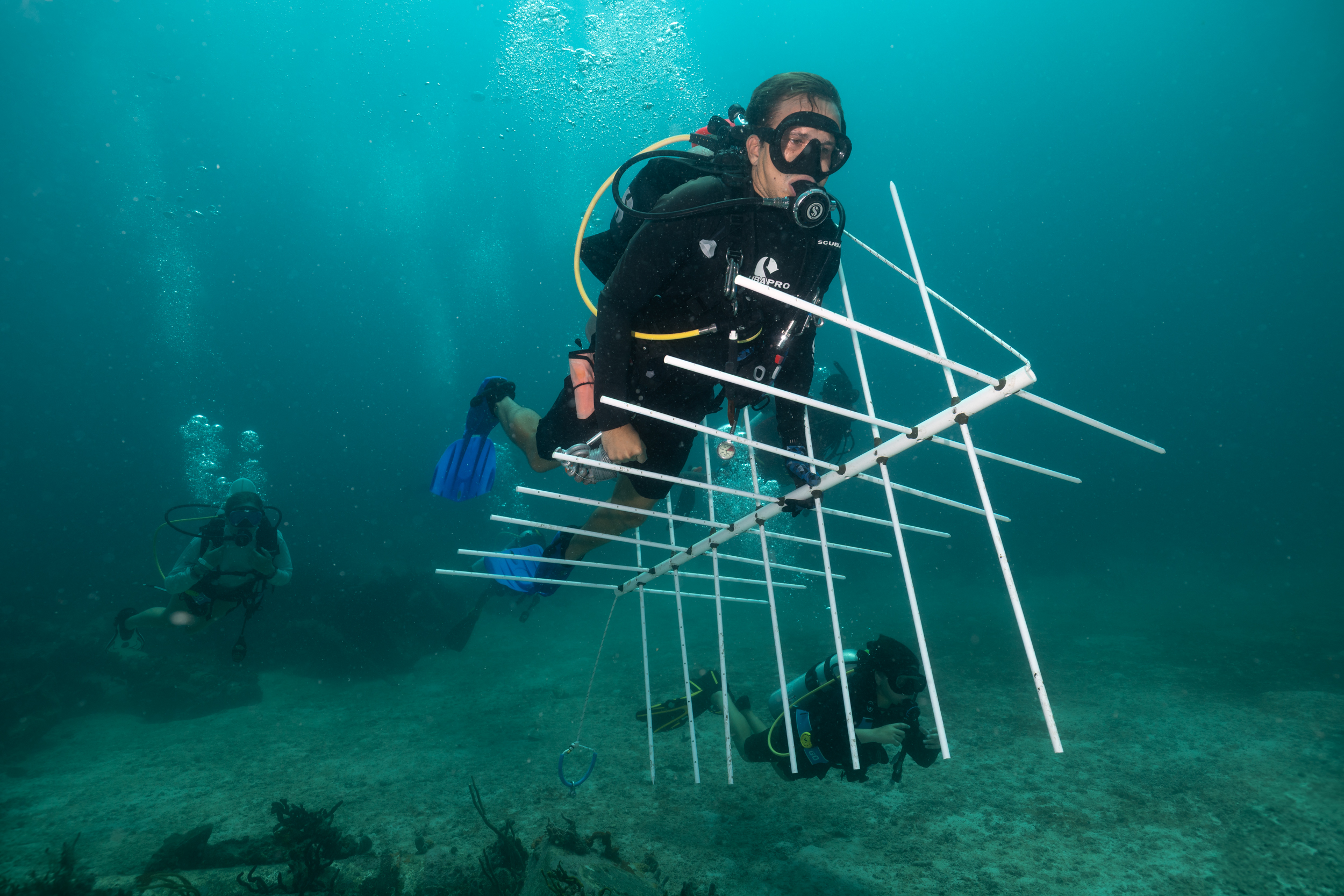
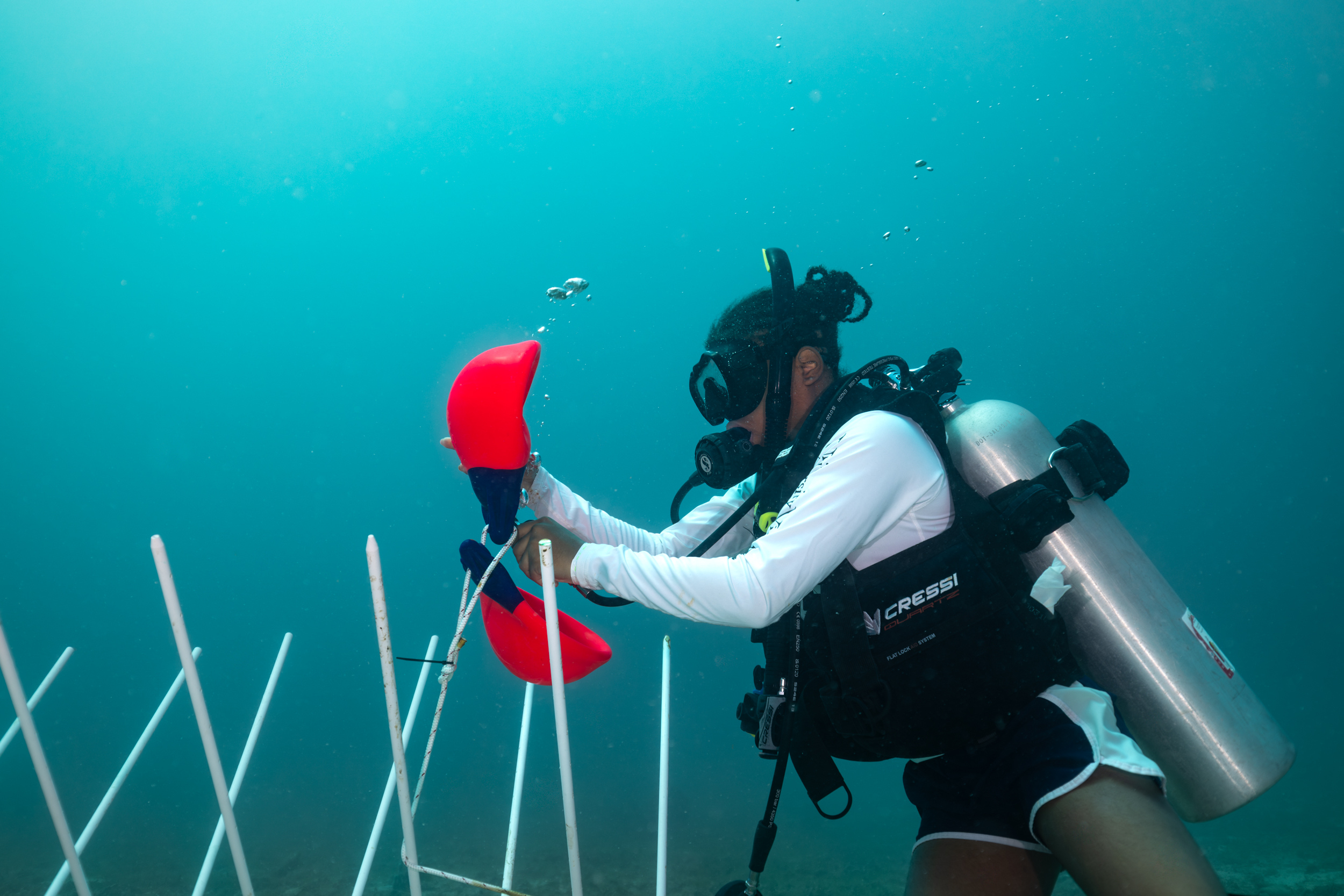
Halfway through his dive, CWORI Dive Operations Manager Jason Anderson led him beyond the reef’s edge to a collection of rebar tables and PVC tree-like structures anchored in the sand. These structures form a coral nursery that supports multiple coral species, including several that are endangered, like staghorn coral (Acropora cervicornis) and mountainous star coral (Orbicella faveolata), to name a few. The nursery plays an important role in CWORI’s larger effort to restore dying coral on Coki Reef and on other reefs throughout the USVI. 

Visiting St. Thomas from New York, Ray gets his first look at a coral nursery. CWORI uses experiences like this to engage the public in their coral restoration efforts. Photo: Dan Mele

After the dive, Ray pointed back toward the reef and asked, “How long does it take to regrow something like that?” To understand the answer, it helps to first look at why Coki Reef needs restoration at all. 

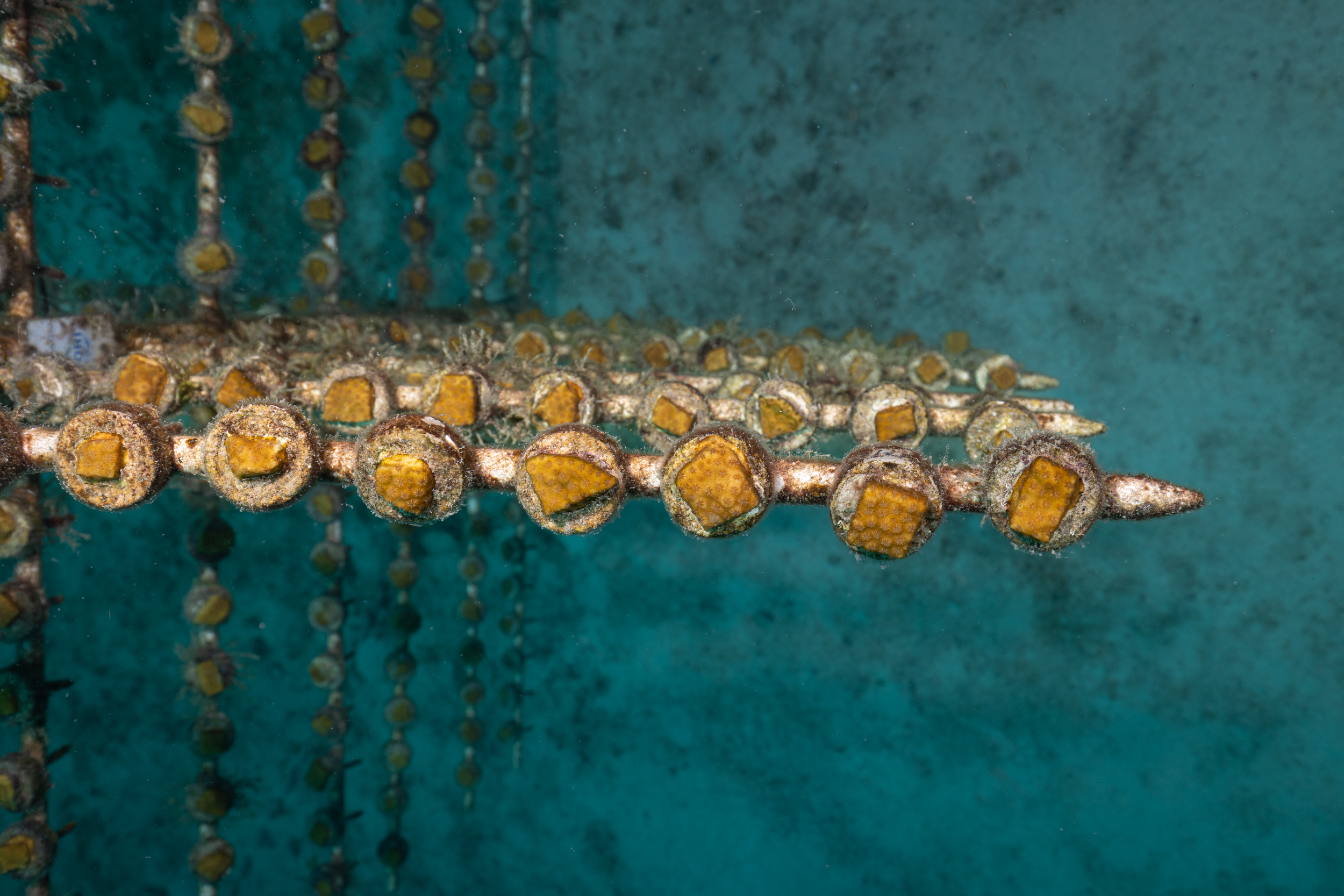
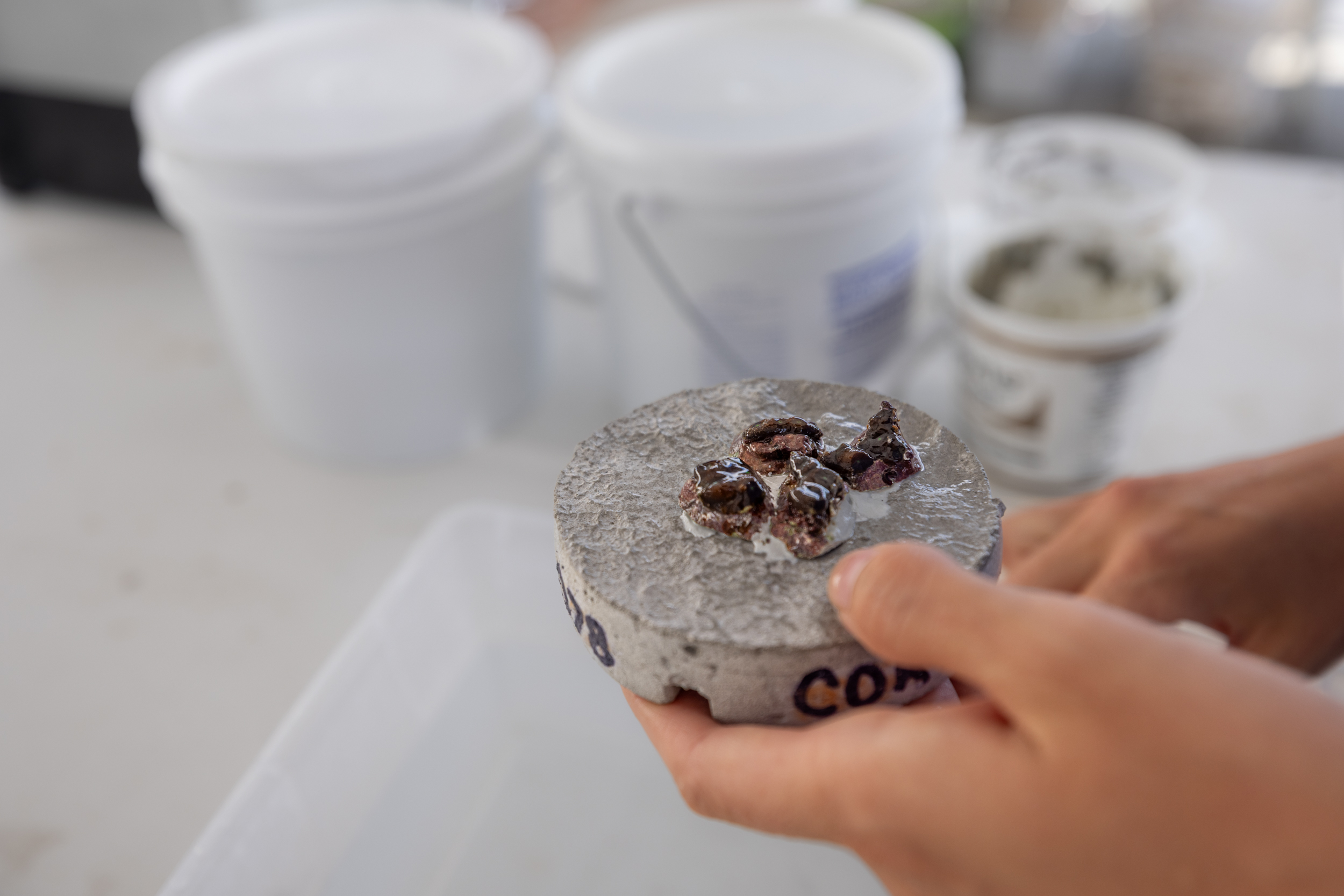
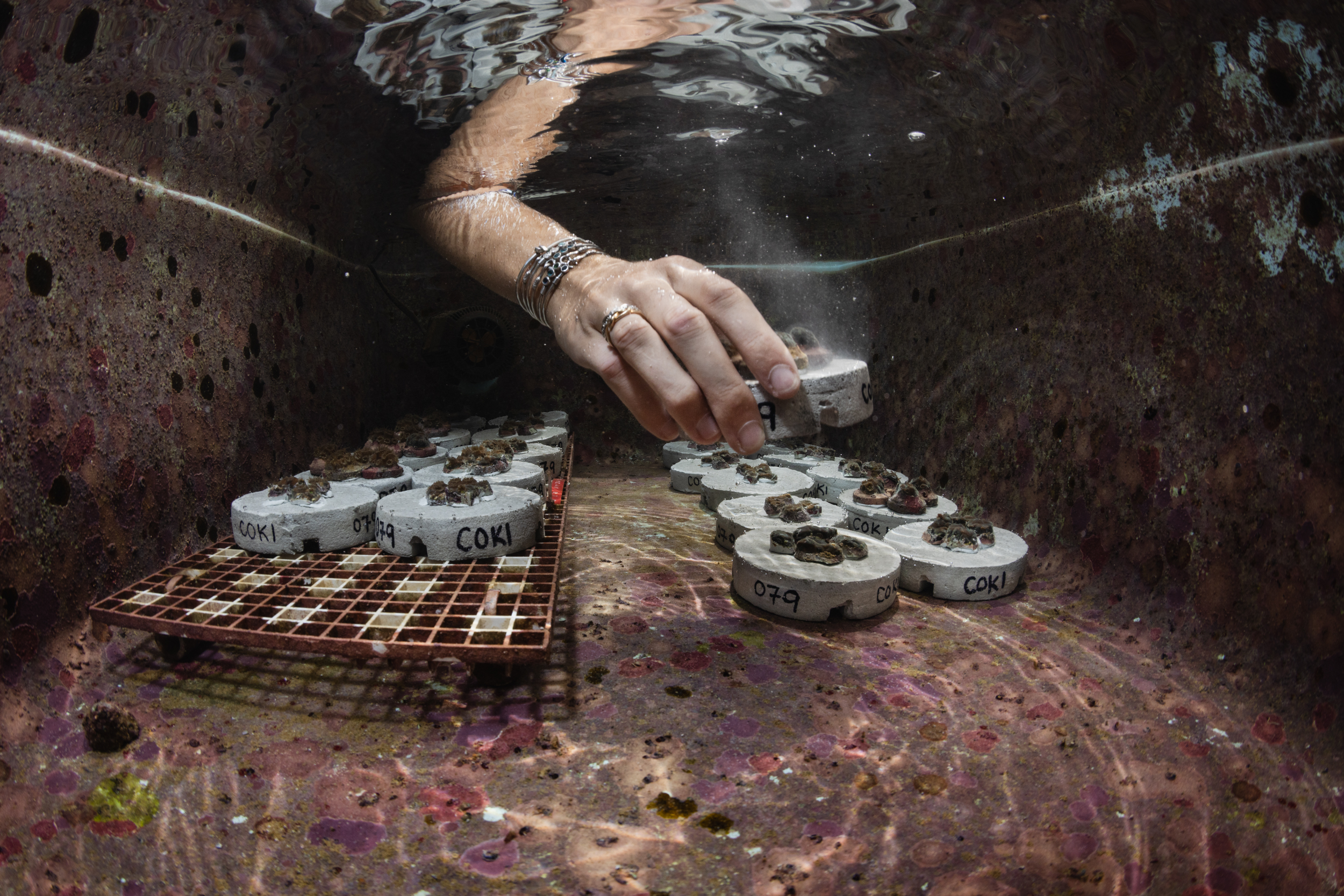
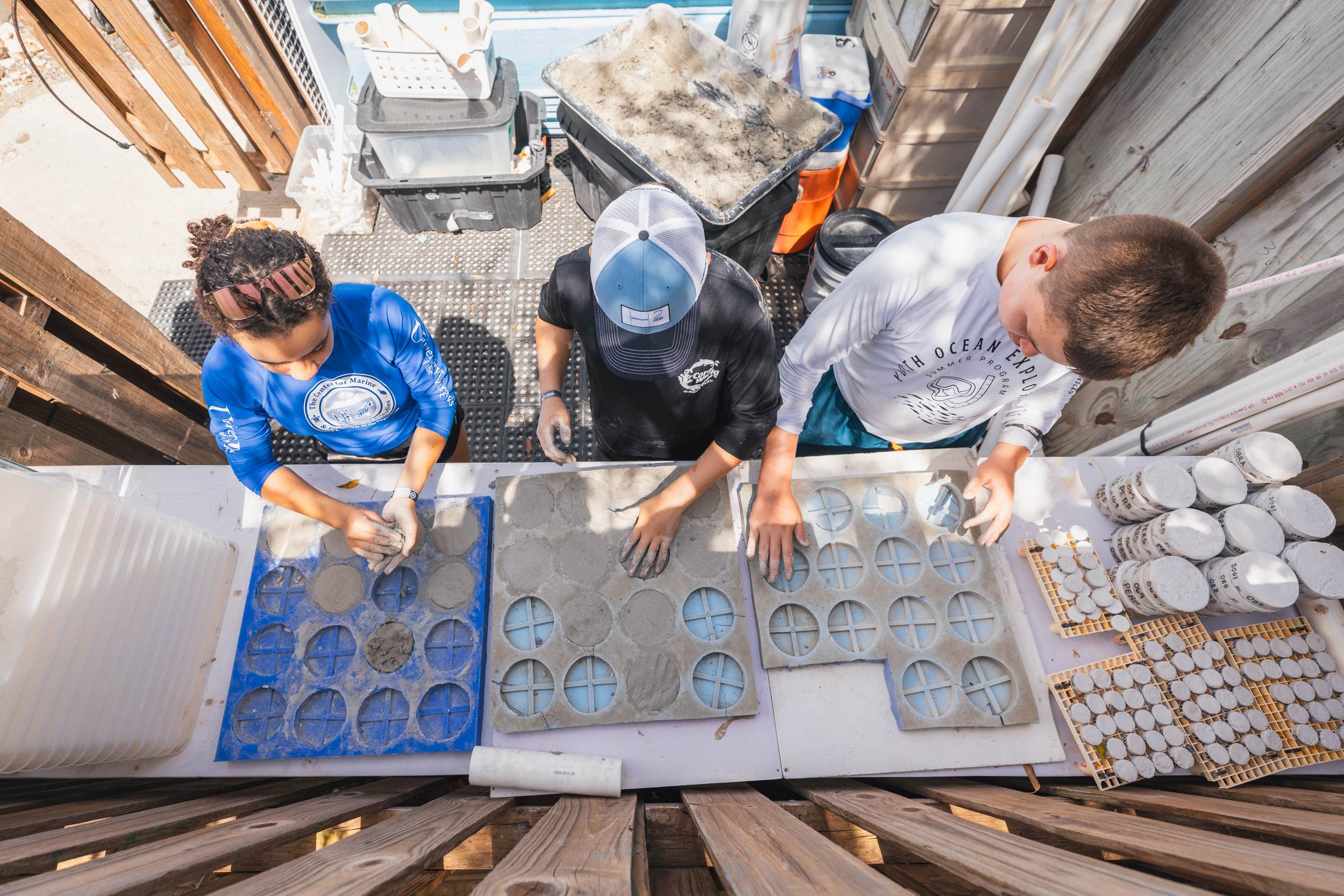
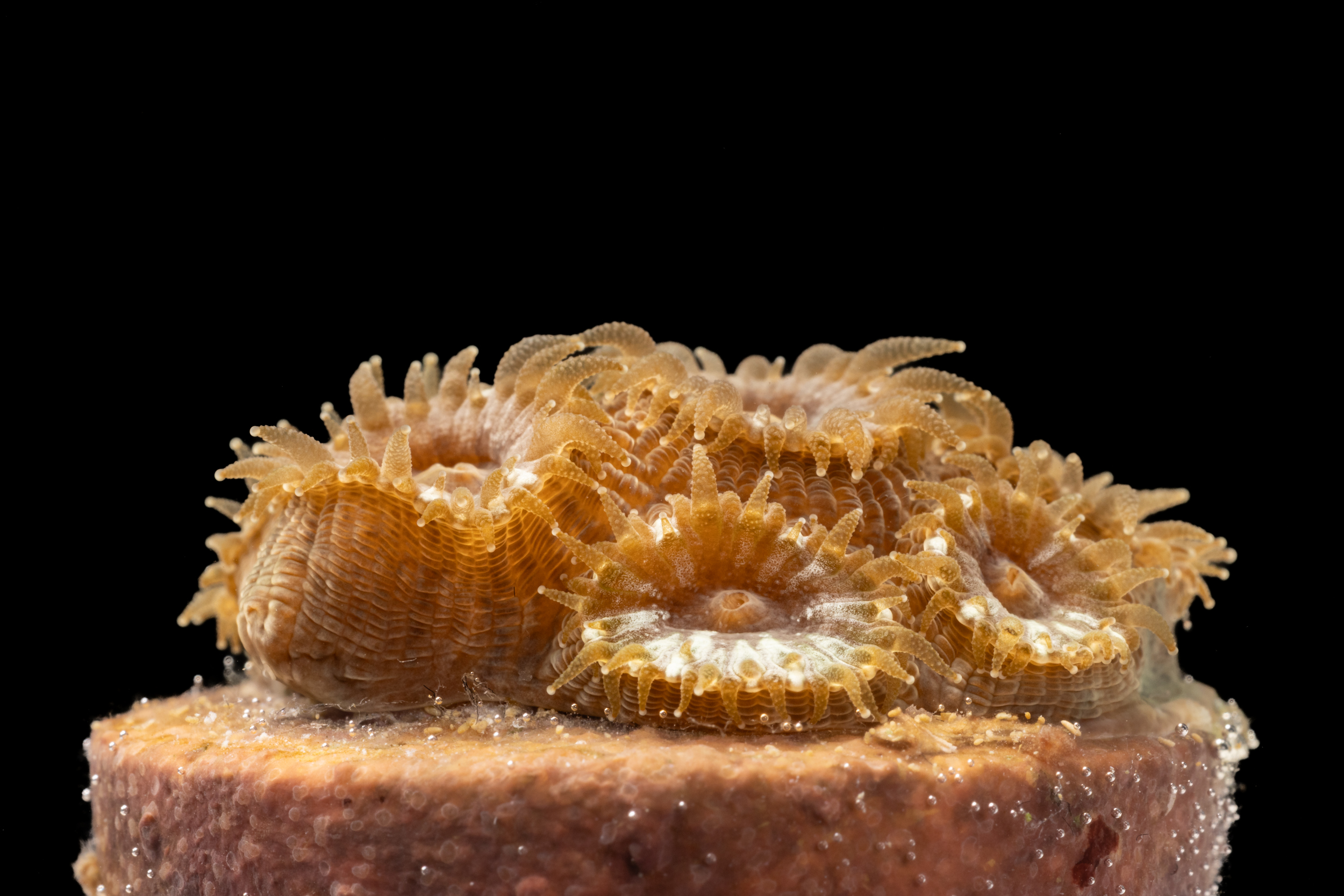
Star coral (Orbicella spp.) is grown on small cement pucks that are attached to the coral trees. As the coral grows, it gradually fills out the puck, after which it is ready to be outplanted back onto the reef. Photo: Dan Mele
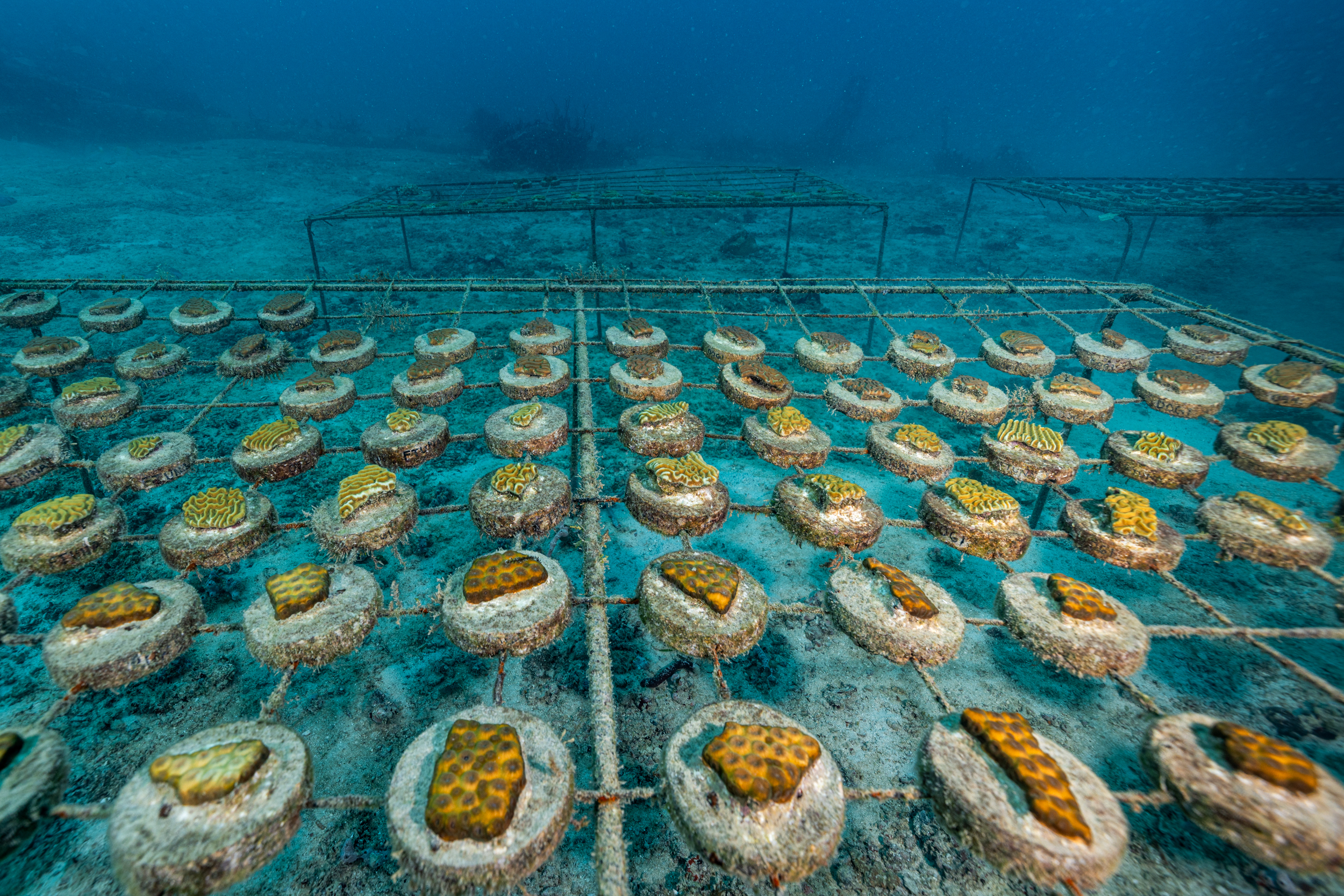
CWORI grows larger corals on rebar tables, which provide a stable surface for them to develop. These structures often attract a variety of fish species, which use the tables as shelter. Photo: Dan Mele

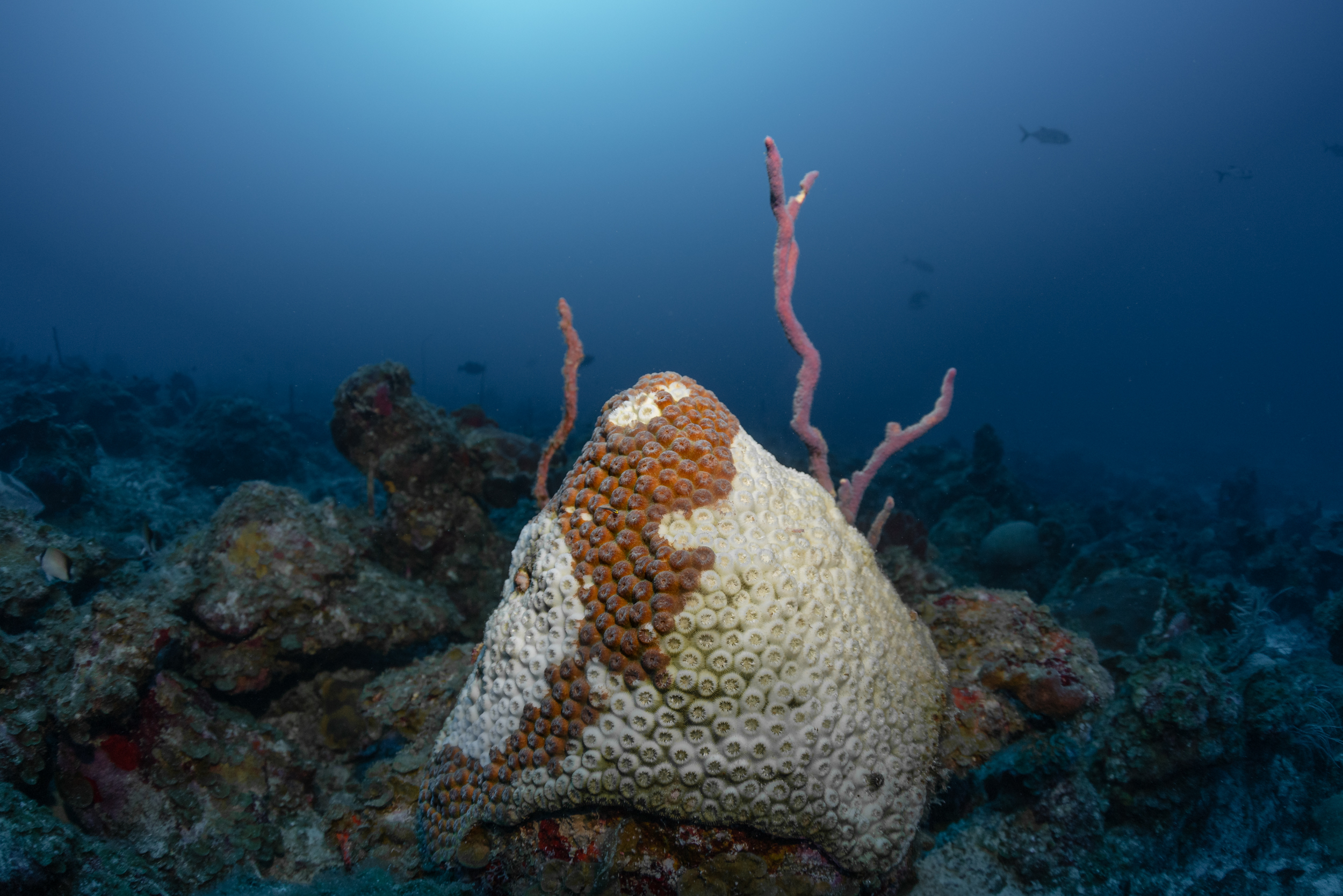
Coral in the USVI has declined by roughly 50 percent over the past 20 years due to multiple stressors, with coral bleaching and stony coral tissue loss disease (SCTLD), among the most severe. Bleaching happens when the relationship between a coral and the tiny algae living inside it breaks down, usually due to prolonged elevated sea temperatures. These algae photosynthesize like terrestrial plants, which in turn provide nutrients for the coral. When this symbiosis fails, the coral turns white and slowly starves. This loss of color is what gives coral bleaching its name. A 2018 study in Nature Communications found that marine heatwaves are becoming more frequent and lasting longer. This leaves corals with less time to recover during the hottest months and increases the risk of repeated bleaching events. 

SCTLD has also devastated reefs in the USVI since it first appeared in 2019. A 2021 study in Frontiers of Marine Science found that a particular reef lost more than half of its coral compared with the year before the disease arrived. Lead author on this paper Dr. Marilyn Brandt recounted when SCTLD first arrived in the USVI, “I knew it would have an impact, but it was really startling to see how severely it affected the reefs in such a short time span, and how quickly it spread.” SCTLD stands out because it infects more than 20 species of reef-building coral, unlike many diseases that impact only a few species. Despite these challenges, some corals remain healthy even as neighboring colonies bleach or die. These survivors could be critical to restoration efforts, as scientists and conservation groups like CWORI work to propagate corals that are more likely to endure future ocean conditions. 

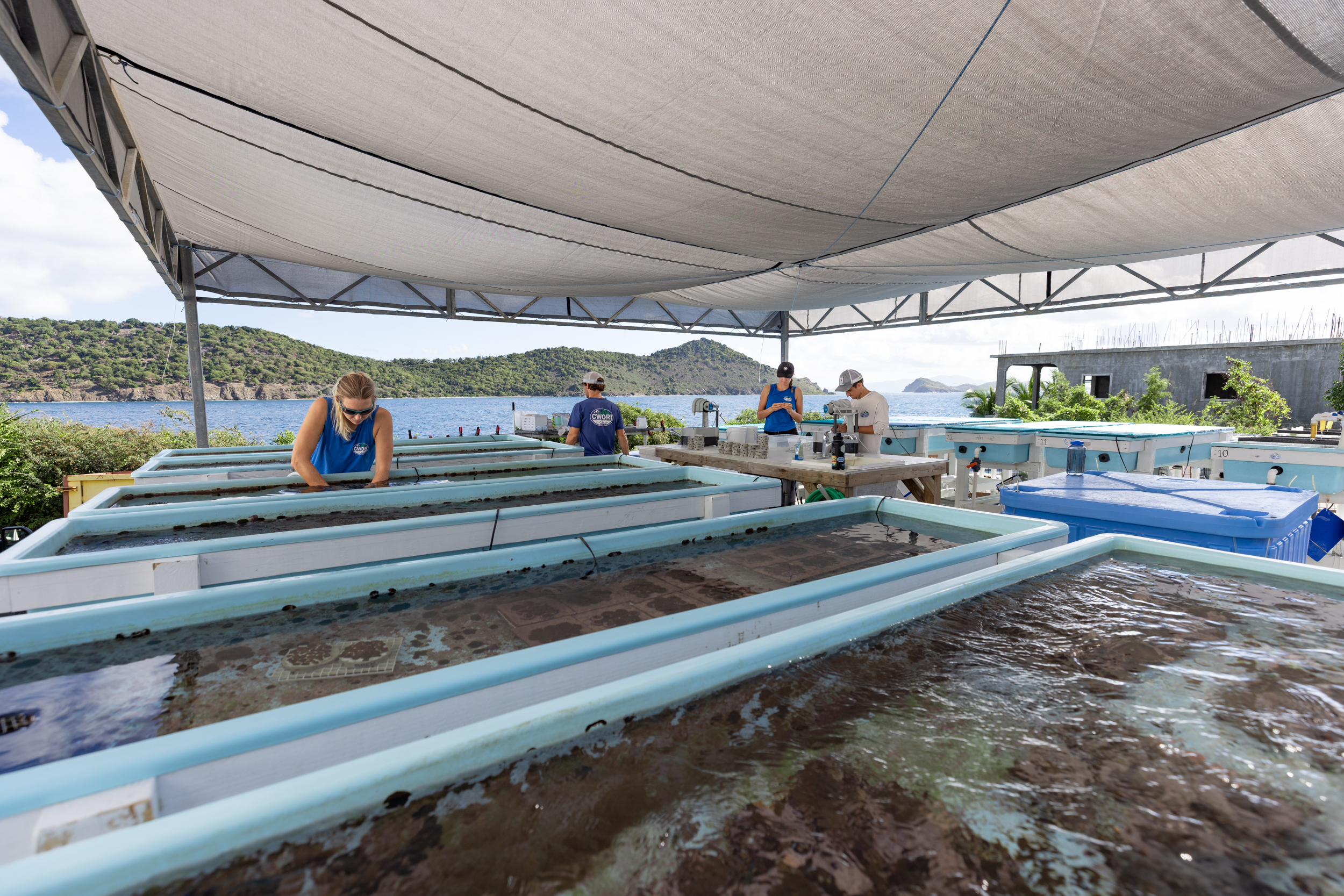
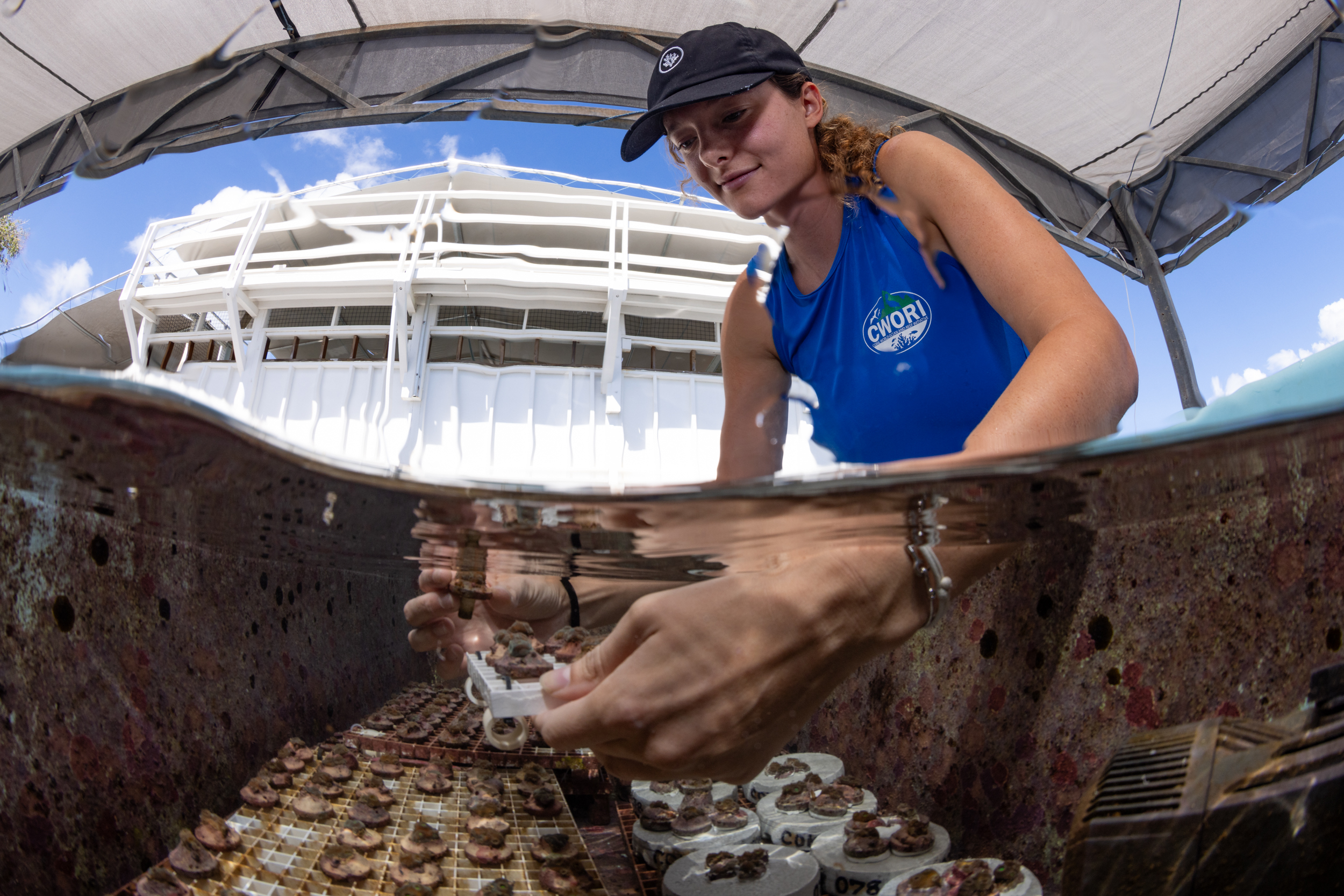
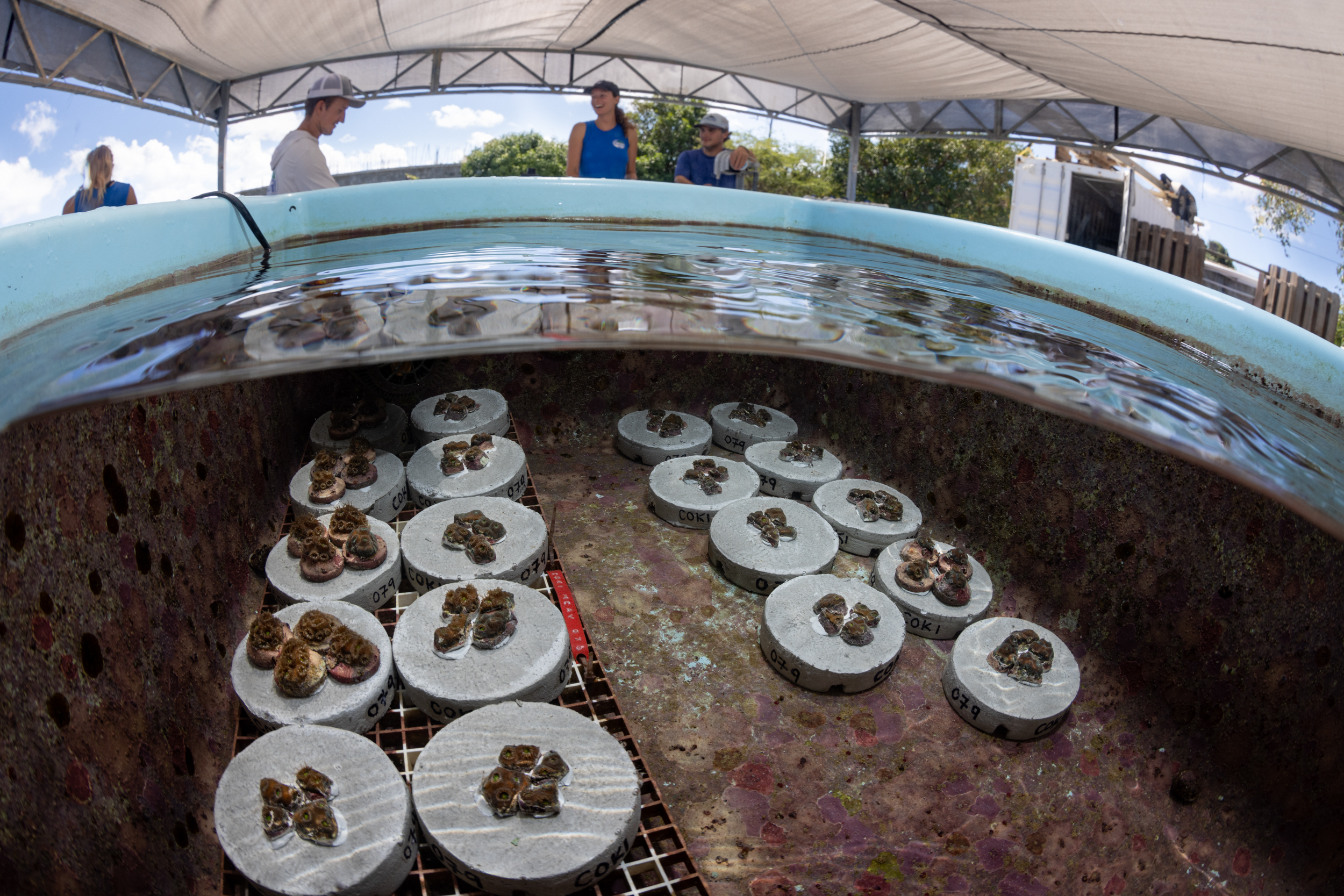
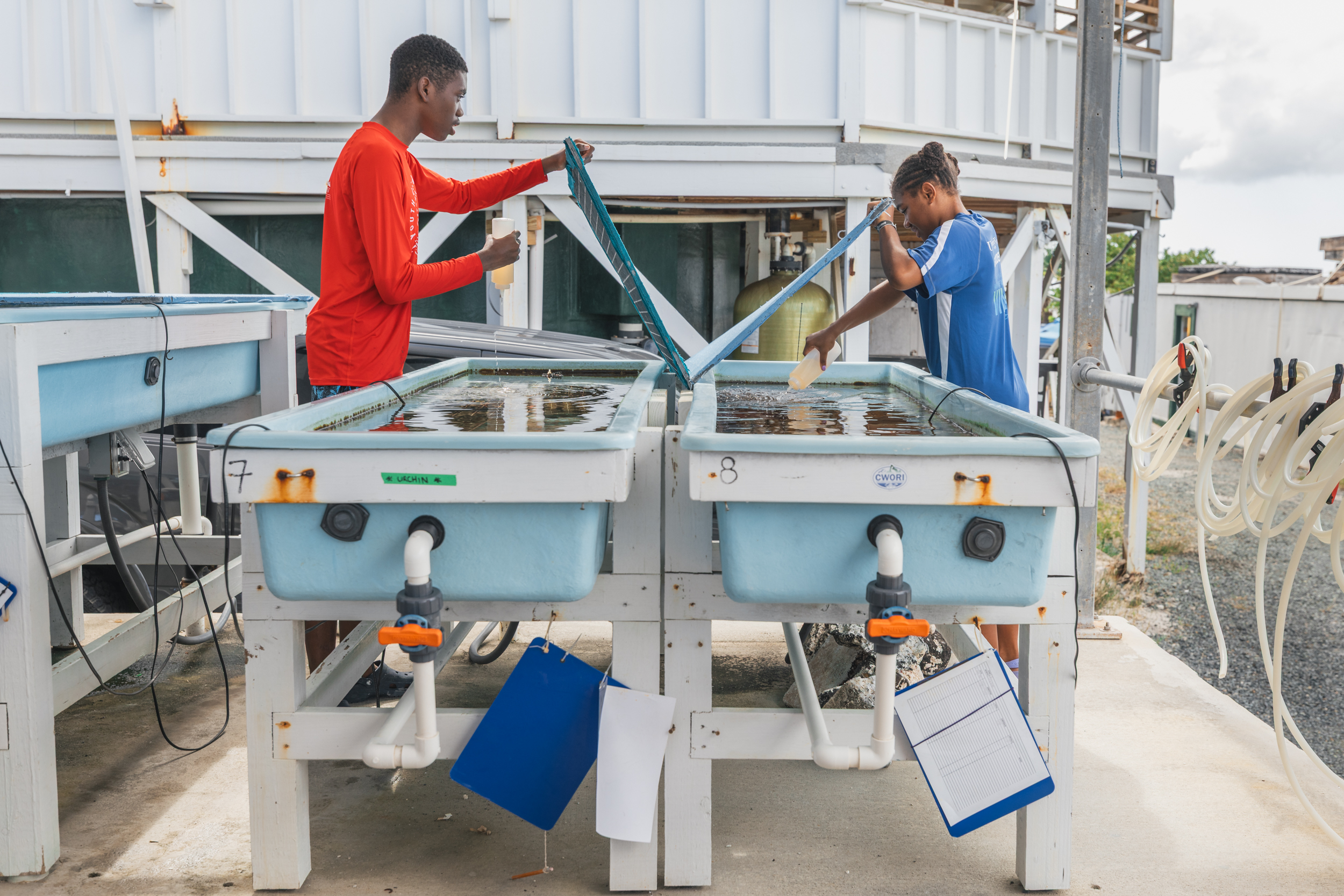
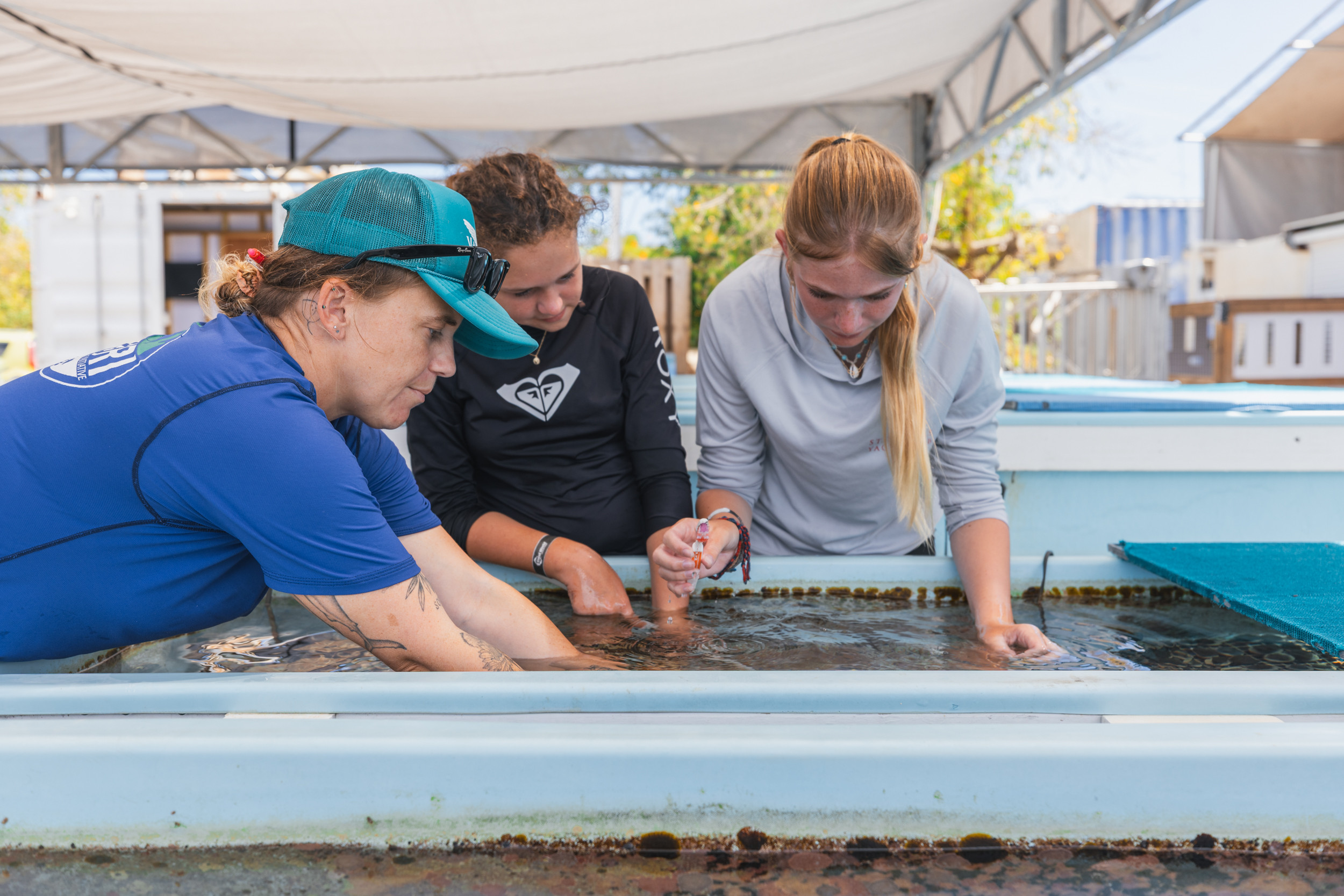
CWORI’s land-based nurseries offer many benefits, allowing the team to control water flow, temperature, and light to help corals grow more efficiently. Keeping these nurseries running requires a dedicated team and daily maintenance to ensure the corals stay healthy. Photo: Dan Mele

In addition to running a dive shop on Coki Beach, CWORI, operates one of the fastest-growing coral restoration programs in the U.S. Virgin Islands. 

At the start of 2025, CWORI received a $5.6 million sub-award from the NOAA Climate Resilience and Regional Challenge grant, administered by the Virgin Islands Department of Planning and Natural Resources. CWORI will be conducting several projects under this award. When it comes to Coki Reef, they will outplant 15,000 corals from their land-based and underwater nurseries over the next five years to help restore the reef, which has suffered from bleaching and SCTLD impacts. Their proximity to the reef gives CWORI a unique advantage. Project Manager, Andrew McGregor explained that “most of the work can be done from shore, keeping costs low,” because their land-based nursery is a stone’s throw away from the reef. On the occasion the team needs to use their boats, it’s usually to collect wild corals to propagate in their nurseries. McGregor noted that “only a small percentage of corals are taken from wild reefs to avoid overharvesting.” 

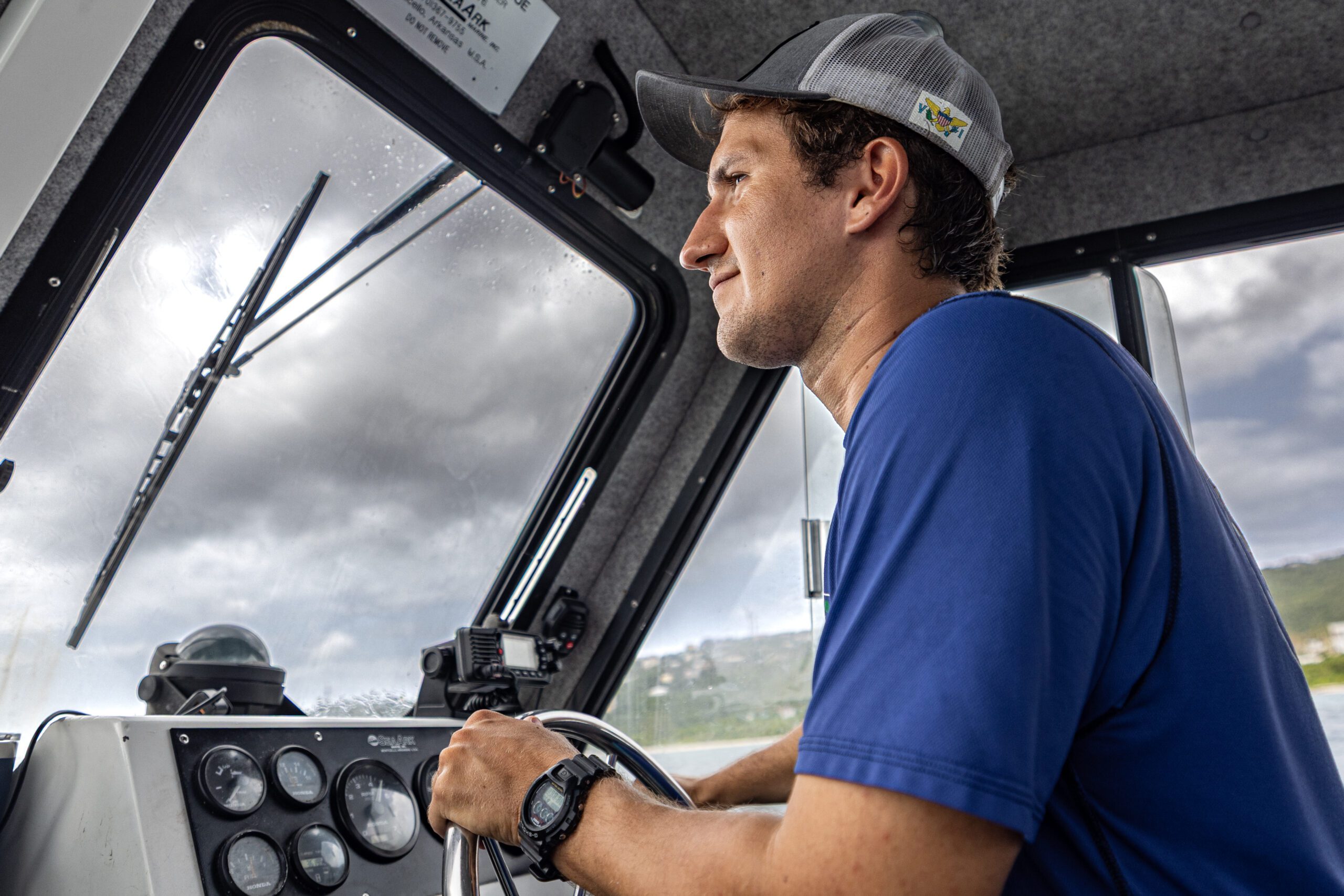
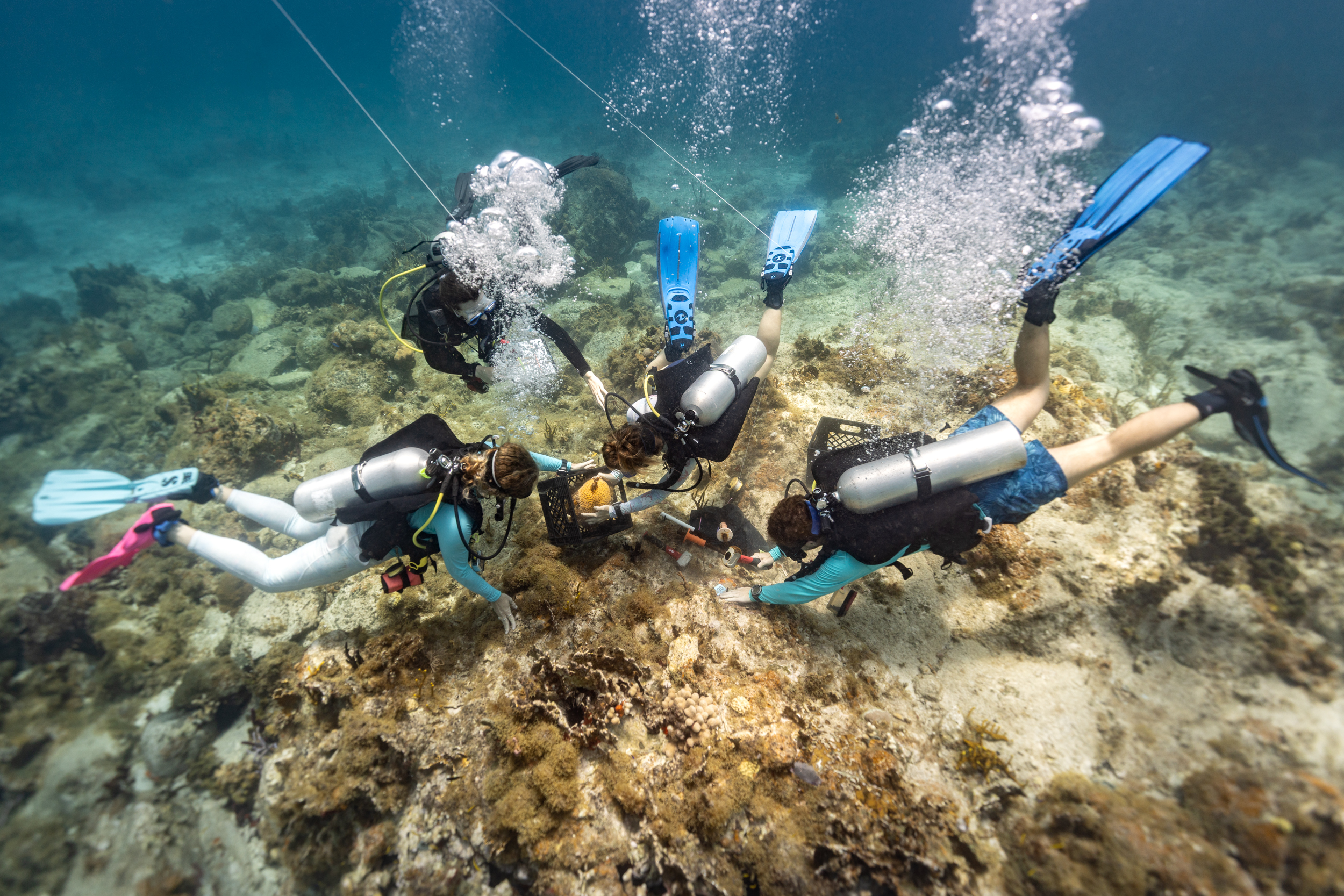
Project Manager, Andrew McGregor leads the team on a mission to collect wild corals to be propagated in their nurseries. Photo: Dan Mele
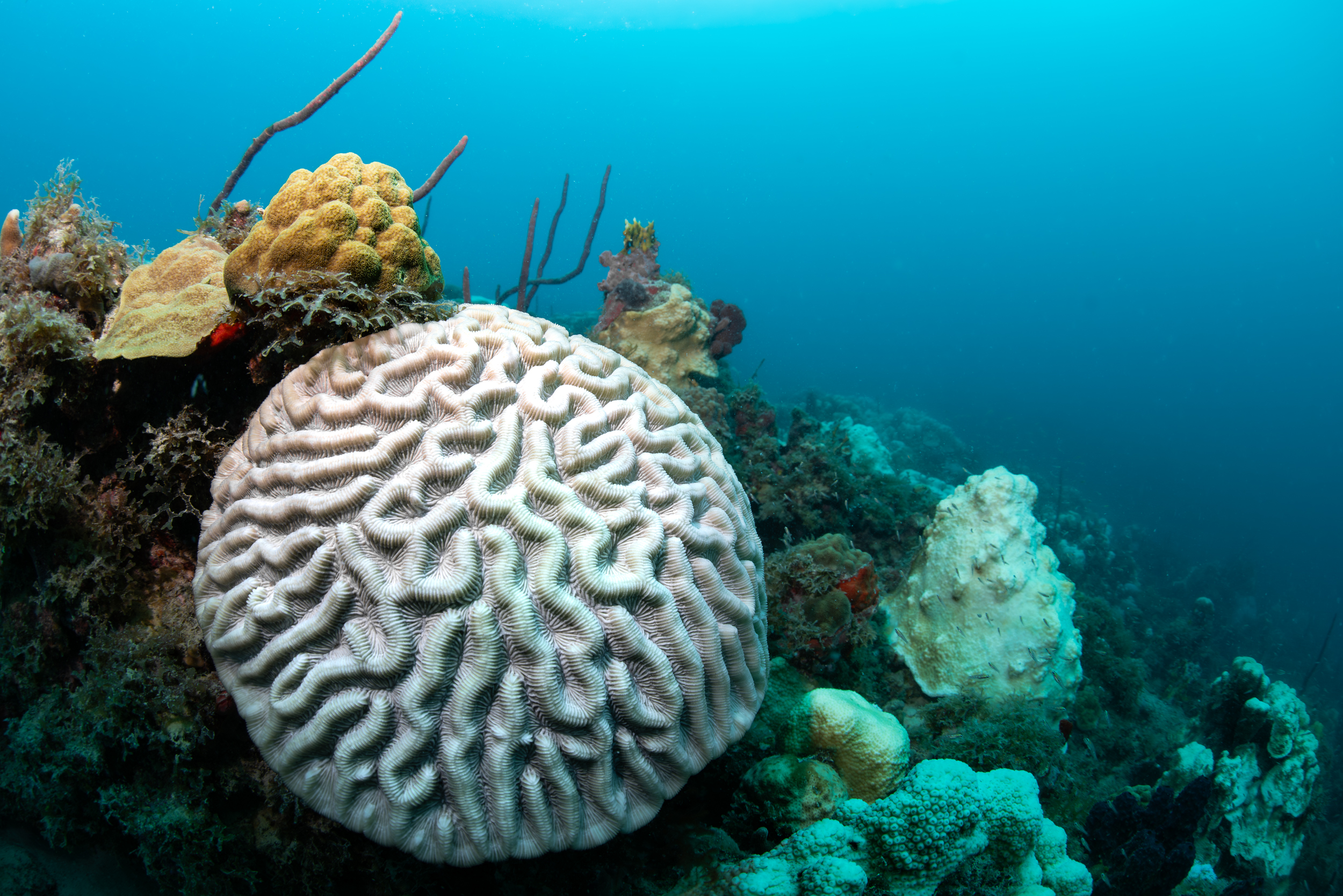
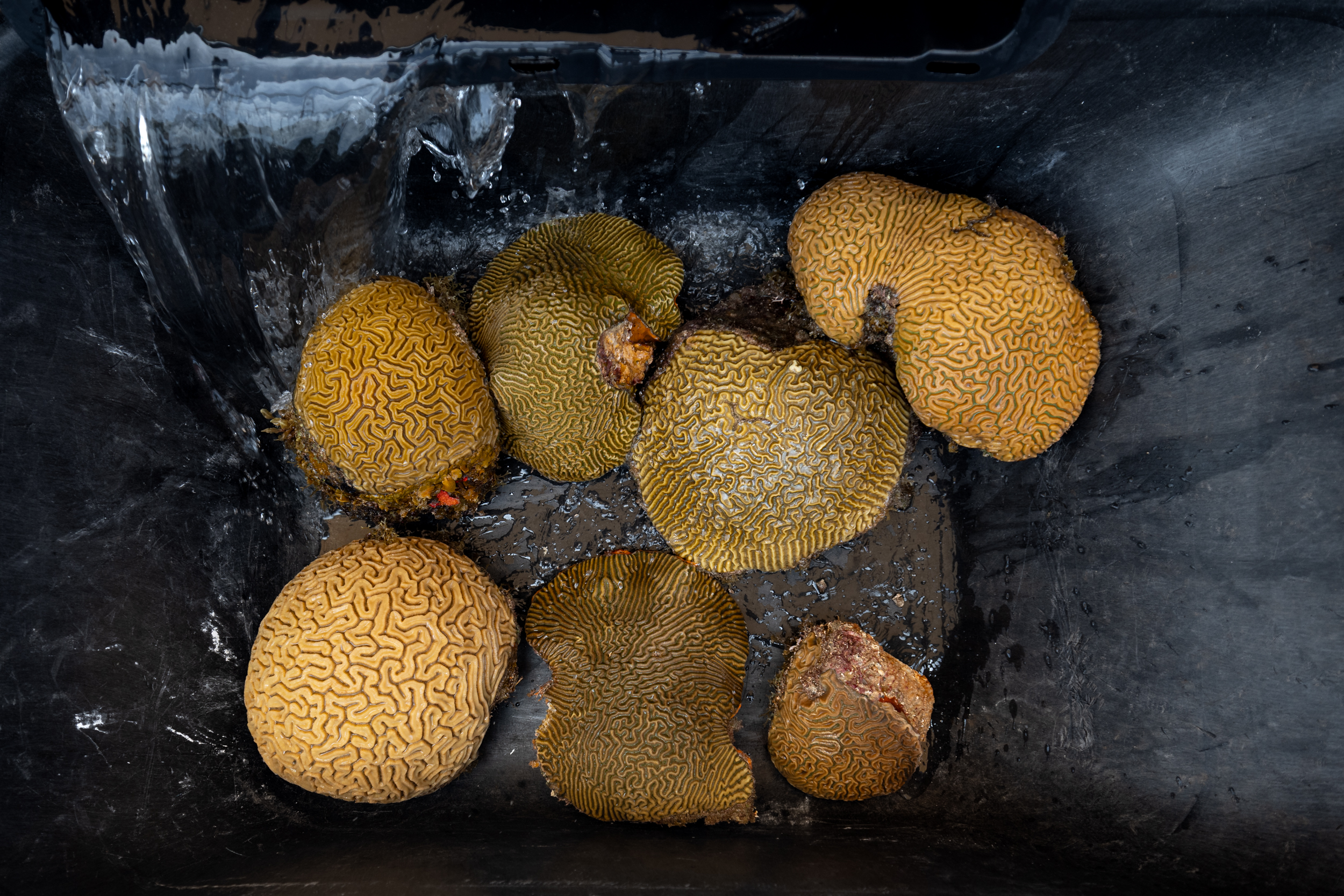
The CWORI team collects a symmetrical brain coral (Pseudodiploria strigosa) to bring back to the lab. Through fragmentation, they can turn one large coral into several smaller pieces, each able to grow independently and achieve more total growth than the original coral alone. Photo: Dan Mele
Most of CWORI’s coral collection will take place during the first year of the CRRC grant. After that, the corals can be repeatedly fragmented, providing a continuous supply for nurseries and restoration efforts. Photo: Dan Mele

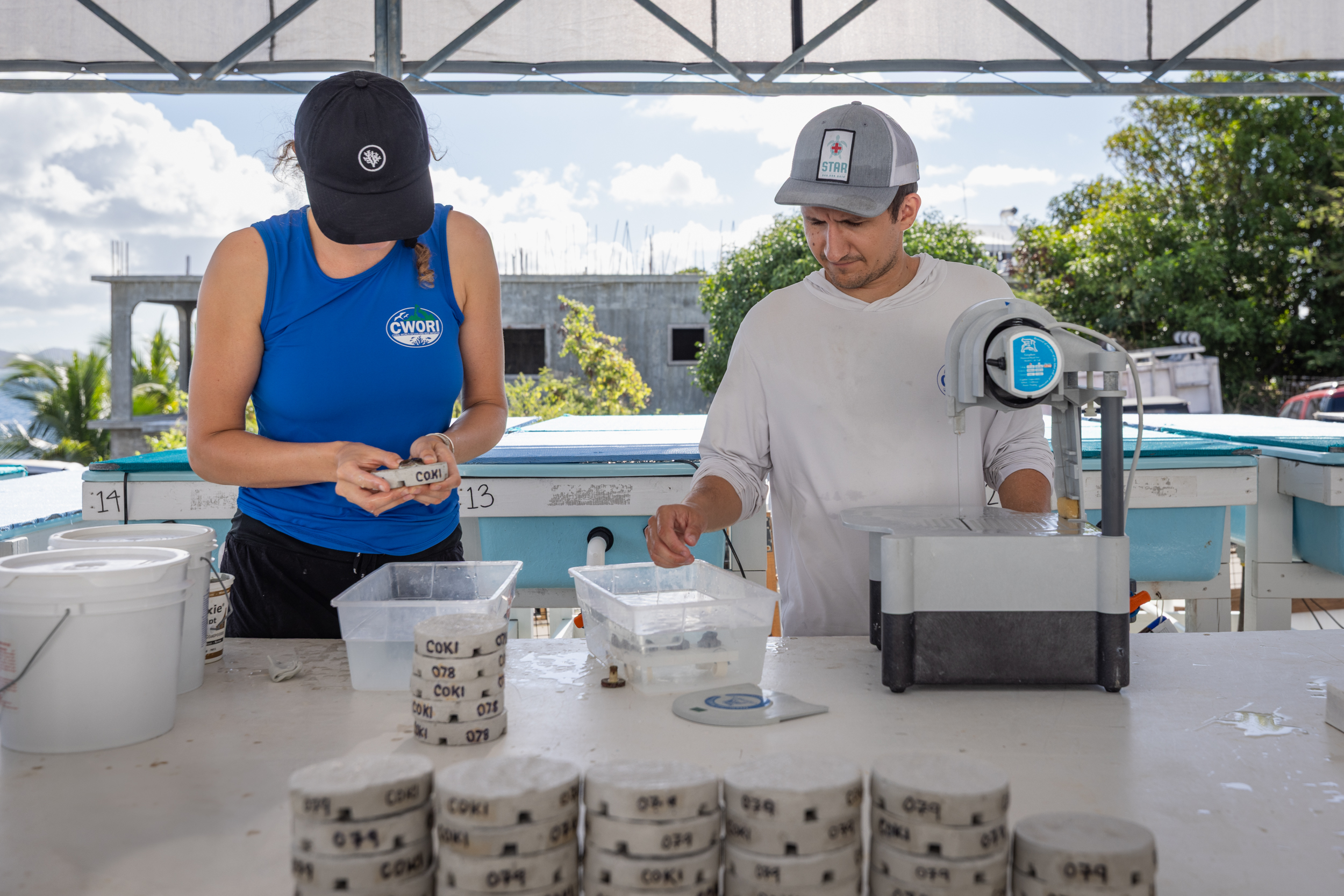
Once back in their nurseries, CWORI technicians turn these few wild corals into thousands through a process called fragmentation. This process is far more complex than simply breaking up coral. It requires years of training in coral husbandry, seawater system maintenance, and a deep understanding of coral biology. 

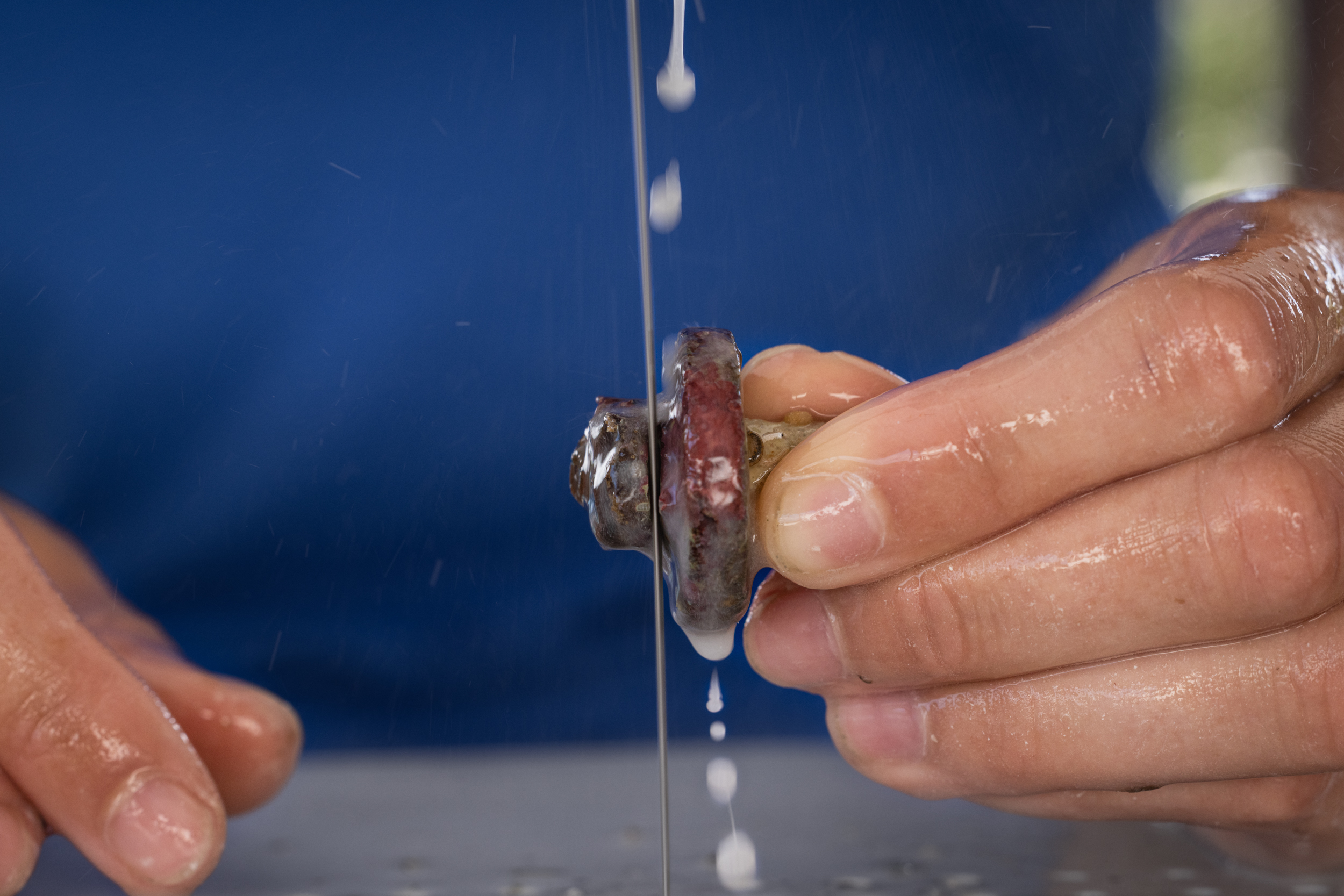
CWORI technicians use a diamond-blade wet band saw to make precise cuts, turning a single coral into smaller fragments. Each piece is then carefully cleaned, placed in consistent water conditions, and returned quickly to its tank to maximize survival. Research has shown that fragmenting corals stimulates a wound-healing response, allowing the coral to grow faster and produce more tissue than it would as a single colony. By repeating this process, one coral can eventually generate thousands of new pieces. 

This work depends on a team of highly dedicated staff and interns. The CRRC grant also supports youth development programs, allowing CWORI to train the next generation of conservationists while advancing their mission to restore reefs in the U.S. Virgin Islands. 

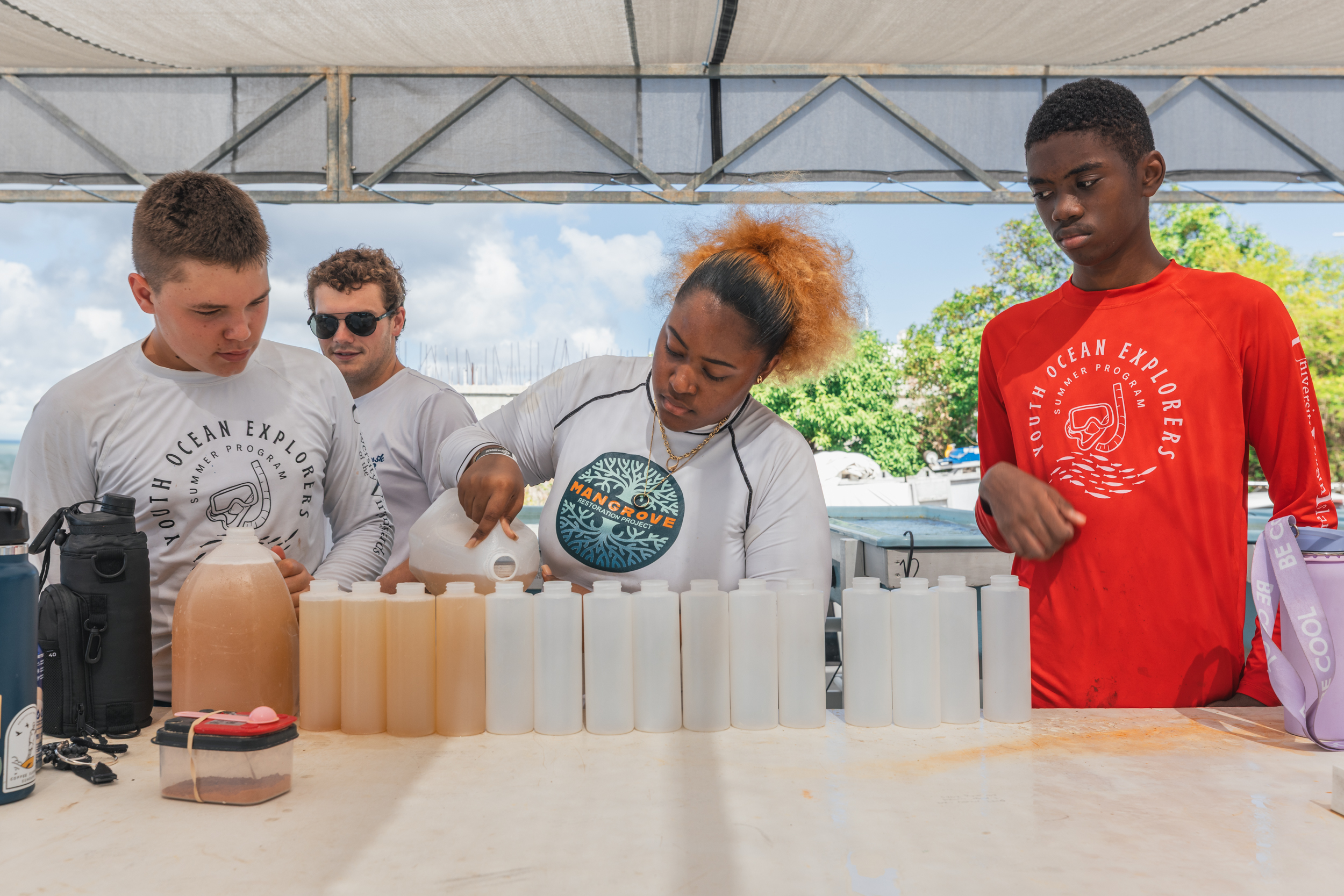
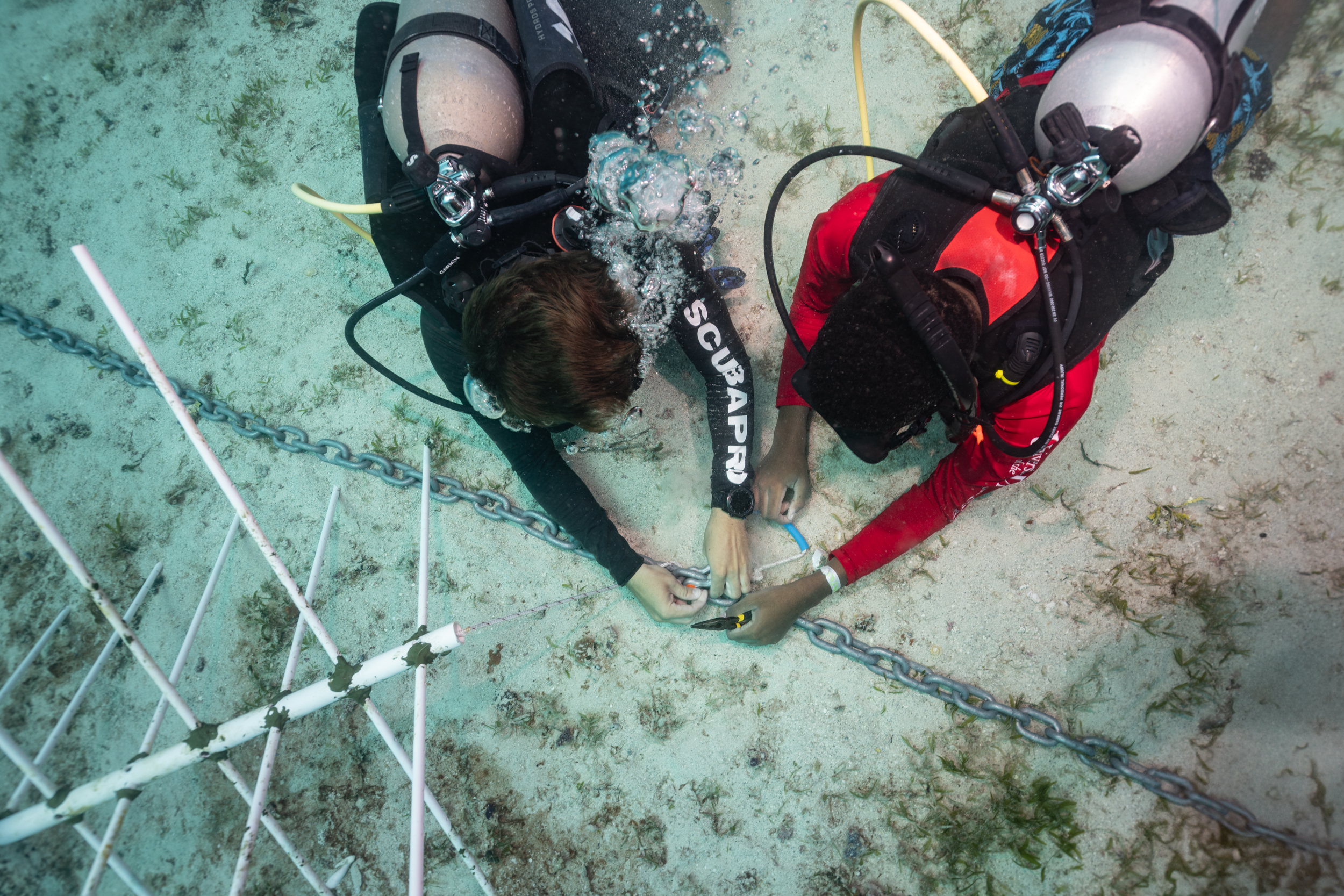
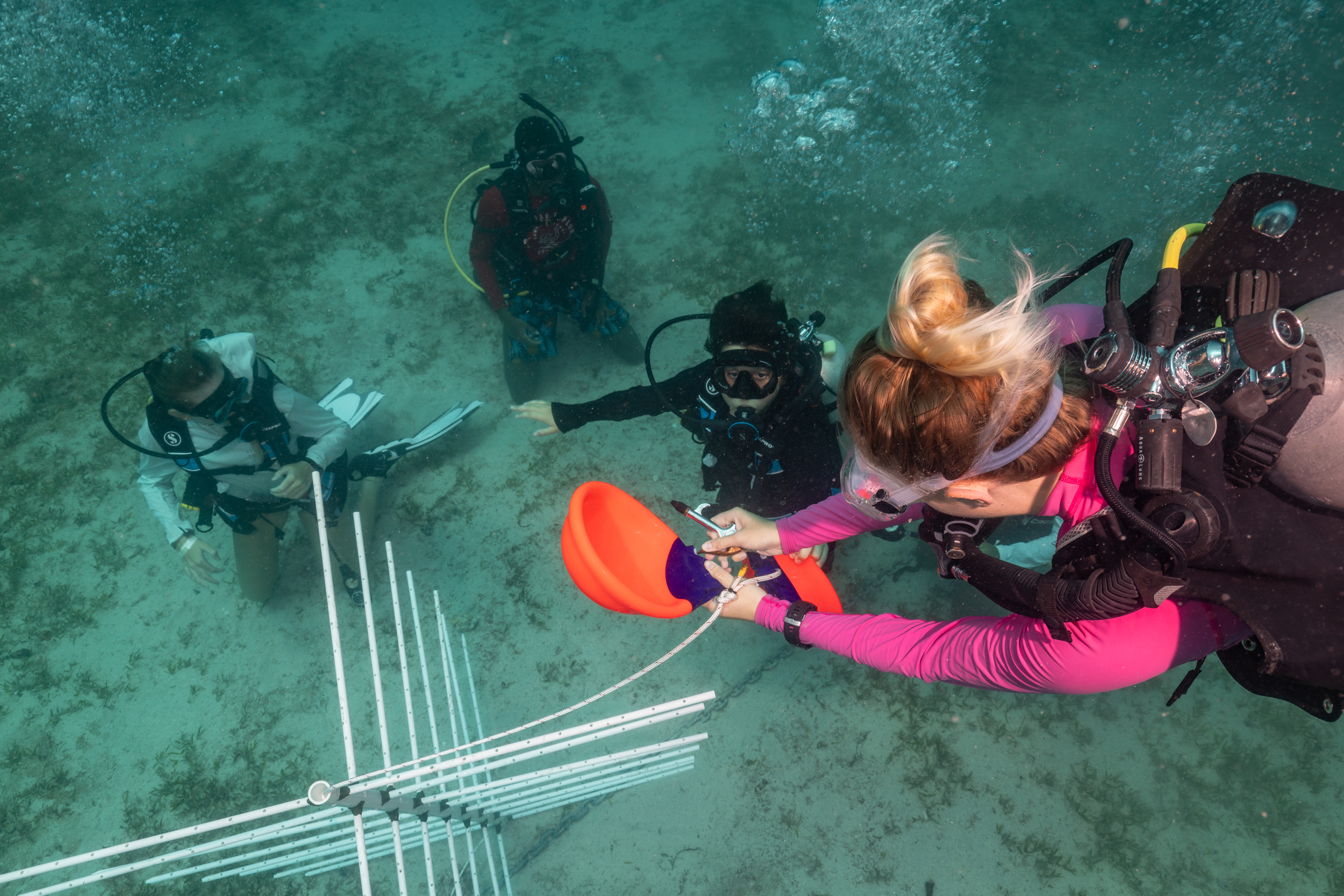
During the summer of 2025, CWORI’s Education and Outreach Coordinator, Kelsey Worth, partnered with the Youth Ocean Explorers program (YOE), to give Virgin Islands youth a hands-on experience in CWORI’s coral nurseries. Participants did more than learn; they helped with the same daily tasks as staff, including cleaning coral tanks, fragmenting coral, and building and installing underwater coral trees. 

Kelsey said giving students direct experience in STEM is key to opening doors. “It’s about showing them what these careers look like,” she said, noting that such opportunities help students imagine their own futures. YOE program director Howard Forbes Jr. shares her view. Howard founded YOE in 2016, and it has since expanded to St. Croix. The program also inspired the Junior Ocean Explorers, or JOE, which introduces marine science to younger children ages eight to ten. More than 700 youth have taken part in the program since it started, with several moving on to work in marine science. 

With the first youth education partnership between YOE and CWORI a success, Kelsey said she is already looking forward to repeating the program next year. The timing could not be better, as CWORI will continue to need extra hands to support its restoration efforts. 

A great star coral (Montastraea cavernosa) is approaching the end of its grow-out phase, nearly filling its one-inch plug. In 2026, CWORI will begin outplanting thousands of these and other corals back onto Coki Reef. Photo: Dan Mele

While the first year of the CRRC grant focuses on building CWORI’s nursery stock, the newly fragmented corals are expected to reach outplanting size by mid-2026. This brings us back to Ray’s question about how long it takes to regrow a reef. The short answer is that the timeline is complicated. Coral restoration is still a relatively young field, and estimates vary depending on location and the species involved as they have a variety of growth rates. 

What scientists do know is that restoration techniques for growing, propagating, and outplanting corals are becoming more efficient each year as research advances. In one year, CWORI can create several thousand corals ready for outplanting. Based on previous research, some of the survivors that reach 3–5 years of survival on the reef can attain spawning size, allowing them to contribute to the next generation of coral offspring. By the end of the five-year CRRC grant, if all goes well, Coki Reef could be in a strong position for long-term success. CWORI has already placed a small number of test corals on Coki Reef, and early signs show they are adapting well. With CWORI’s dedicated team of marine scientists, Coki Reef is well-positioned to benefit in the years ahead from this much-needed boost.