At just five acres, 59 Estate Mount Welcome reveals how thoughtful land conservation can protect ecological and cultural value far beyond its size
WORDS & PHOTOGRAPHY BY DAN MELE
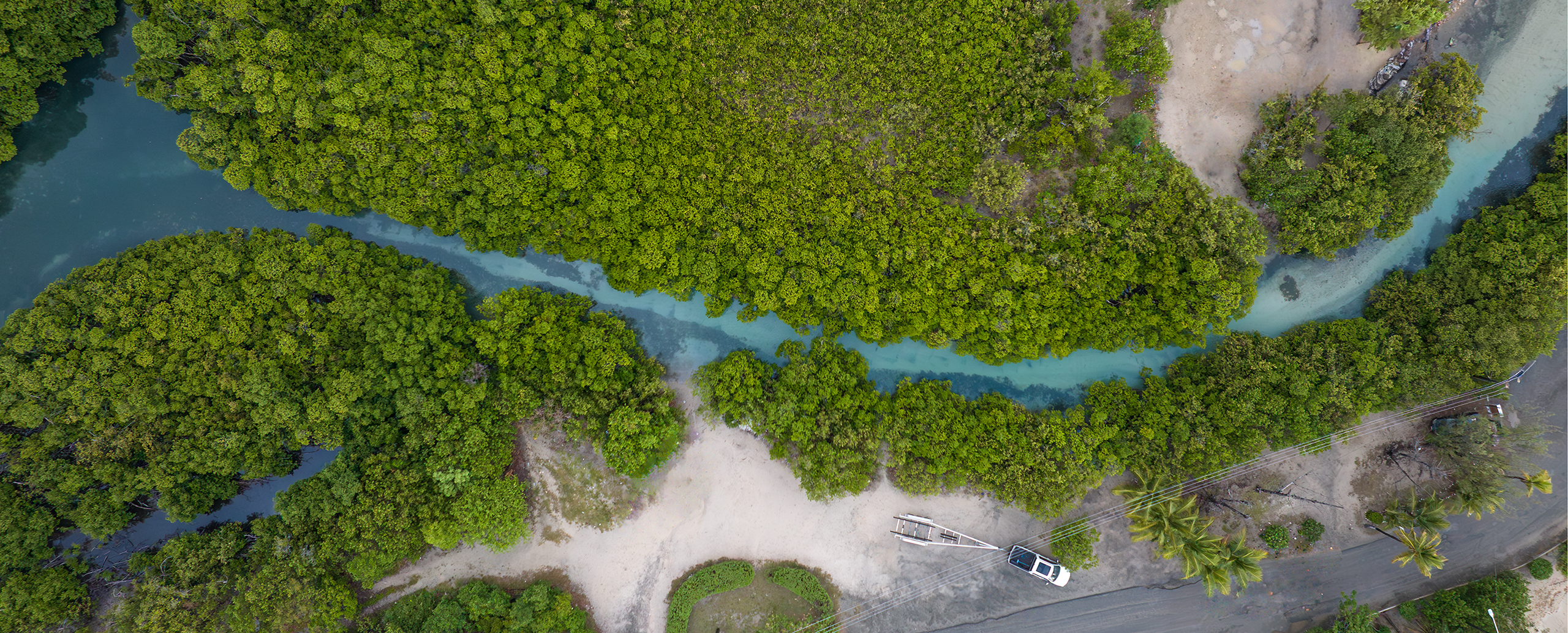
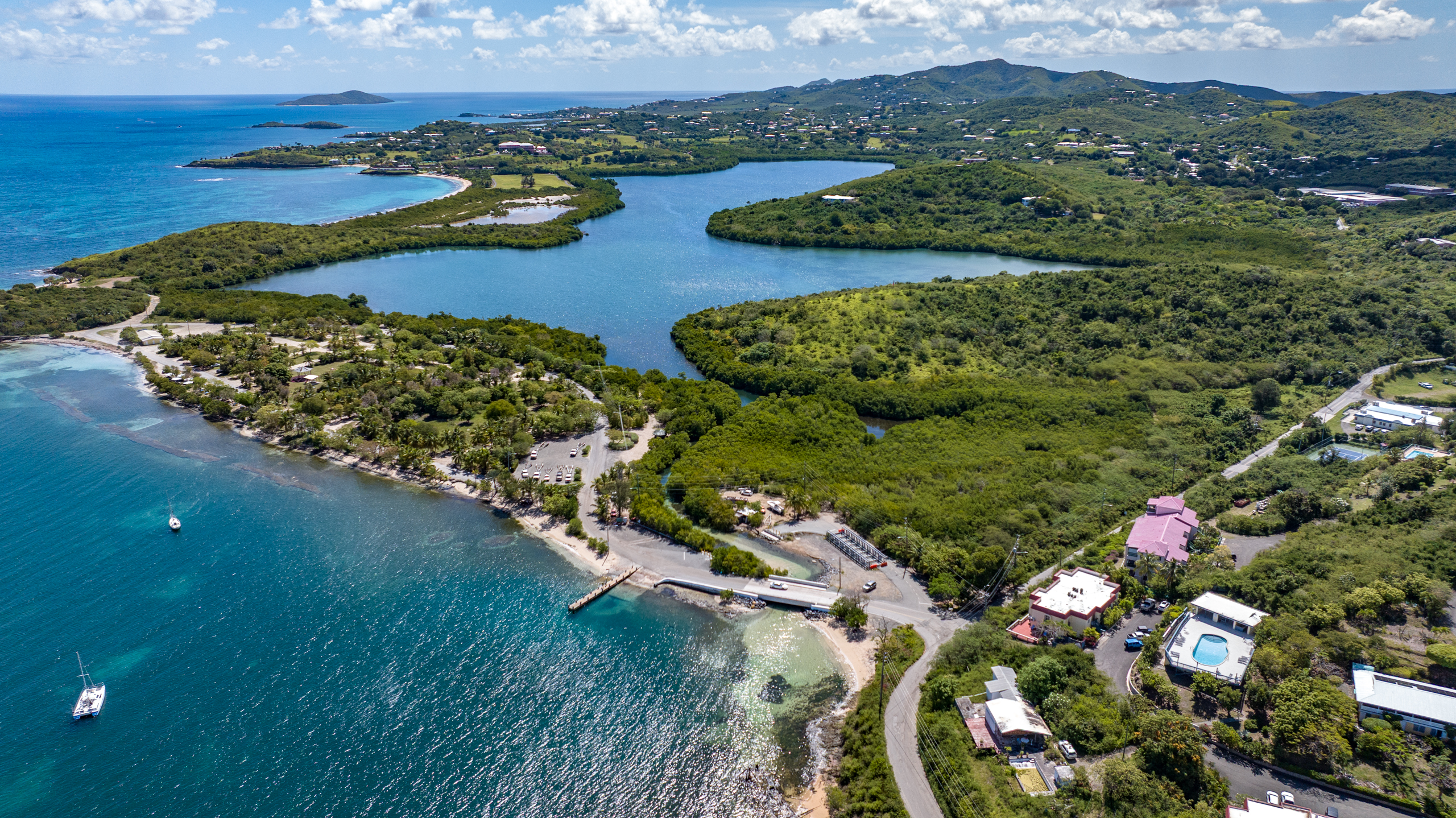
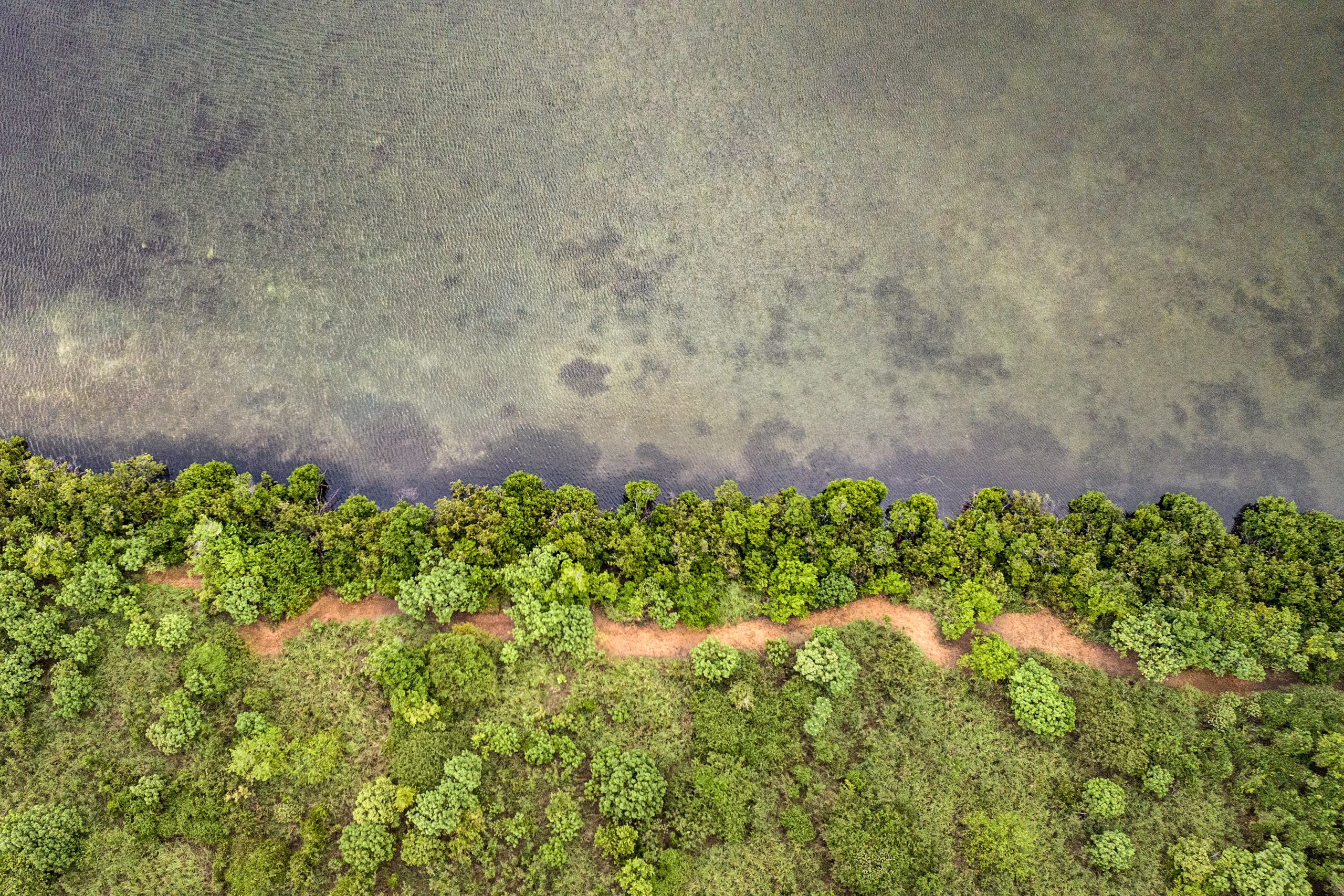
The five acres at 59 Estate Mount Welcome border the western portion of Altona Lagoon, including a narrow mangrove channel that connects the lagoon to the sea.
Since the start of 2025, the Territorial Parks and Protected Areas (TPPA) division of the Virgin Islands Department of Planning and Natural Resources (DPNR) has been purchasing plots of land to bring under TPPA management. With limited funding available for each acquisition, TPPA carefully selects which properties are worth pursuing, with ecological and cultural significance serving as two of the primary deciding factors. Throughout this process, TPPA has remained guided by its motto, “Virgin Islands parks for Virgin Islands people.” While some recently acquired properties span nearly 2,500 acres, others, such as the five-acre 59 Estate Mount Welcome located in the western portion of Altona Lagoon, St. Croix, are much smaller. Despite its size, this parcel is critically important to the ecological functioning of the surrounding area and to the community that relies on it for both their livelihoods and recreation.
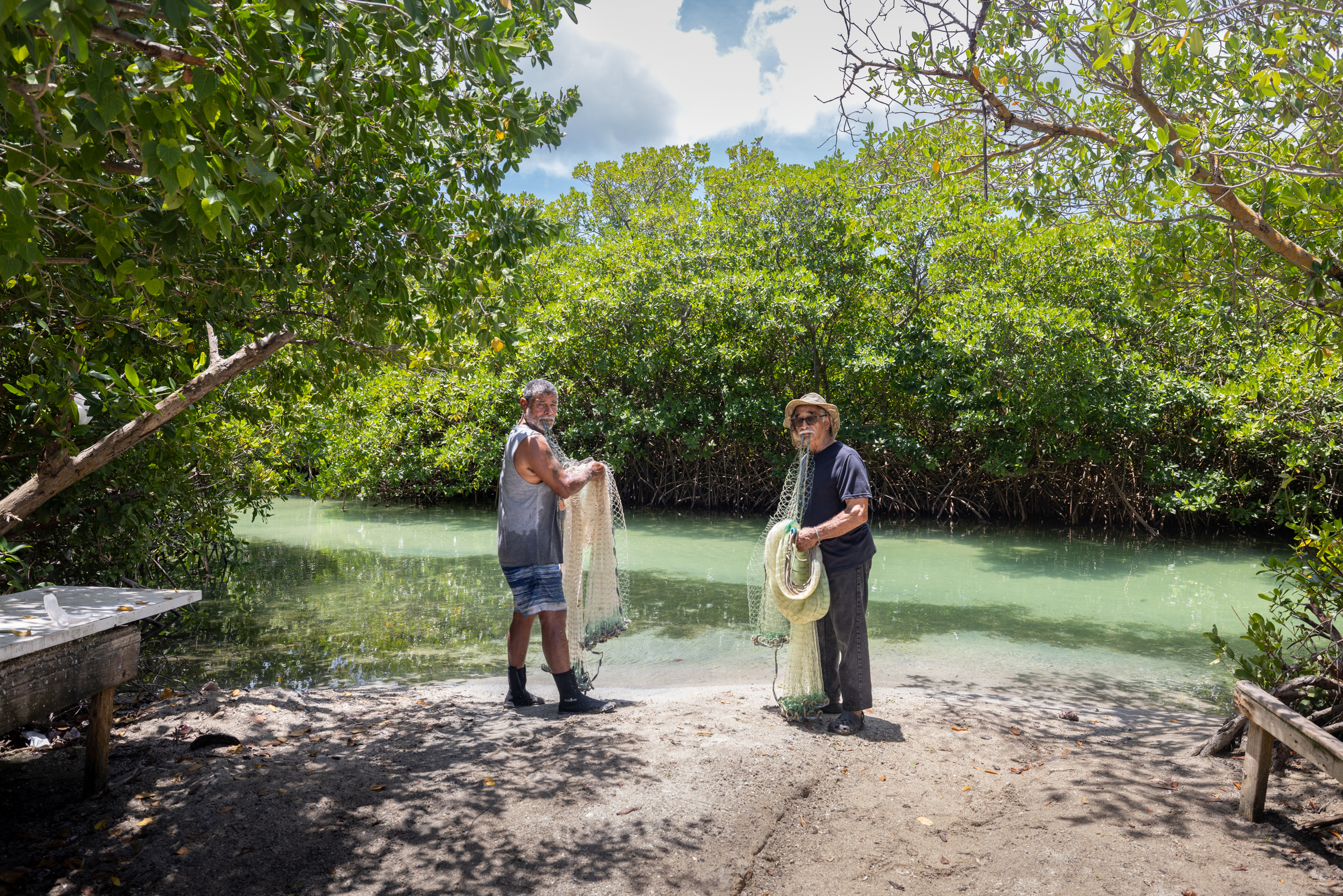
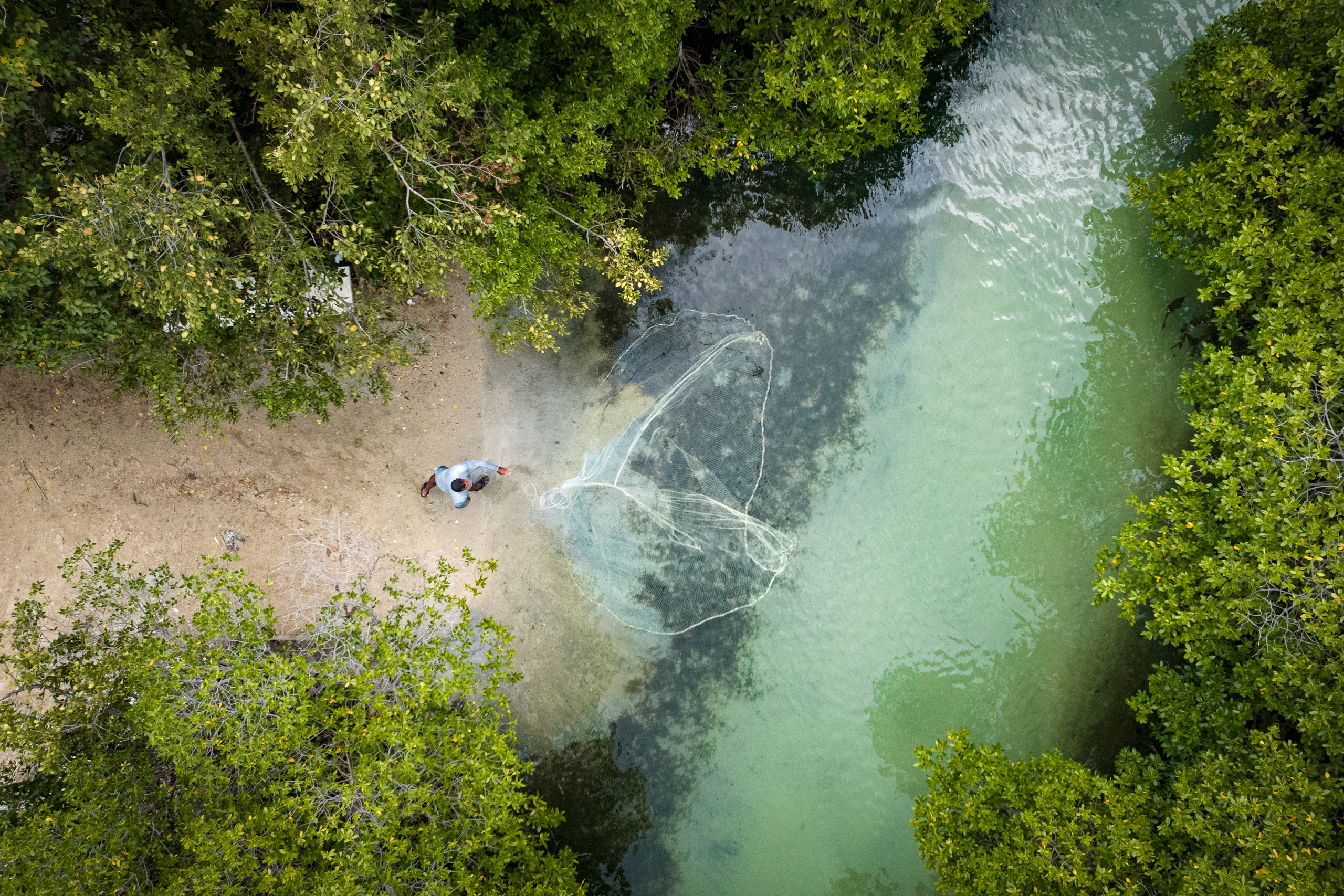
Retired commercial fishermen and longtime friends Felipe and Angelo frequently fish the small mangrove channel that runs through Mount Welcome, connecting Altona Lagoon to the Caribbean Sea. They use cast nets, a technique Felipe describes as “a dying art.” As they wait to make a cast, Felipe and Angelo remain completely motionless until the exact moment a school of fish swims by. With a well-timed throw, the fully expanded net, lined with small weights, traps the passing fish. Felipe explains that this method of fishing is much more selective. As they pull in their catch, they can quickly release any fish they do not want or that are too small, resulting in far fewer bycatch deaths than more harmful fishing methods. Felipe says that most of the fish they catch that day, consisting primarily of yellowfin mahara, will be given away to members of the community.
The narrow mangrove channel connecting Altona Lagoon to the sea is a common gathering point for community members to fish, hang out, play dominos, and enjoy a shady spot in nature.
Felipe emerges from under the trees to cast his net on some passing fish. Cast net fishing is as much an art as it is a skill learned over many years.
Adjacent to Mount Welcome is a boat ramp used daily by Crucian commercial fishermen and recreational boaters. Bobby Thomas, who has been fishing the waters around St. Croix for 30 years, spoke about how meaningful this area has been to him throughout his career. He said he likes to “keep it simple,” referring to the ease of using this space over the years.
Community member Olay Marin, who has lived near Altona Lagoon for much of his life, uses Mount Welcome and the surrounding lagoon for both personal exercise and teaching fitness classes. Olay said, “Altona is a place to relax, bring people together, and is great for mental and physical health.” Beyond its cultural and economic importance, this small addition to TPPA’s managed properties also provides opportunities to observe wildlife both above and below the water’s surface.
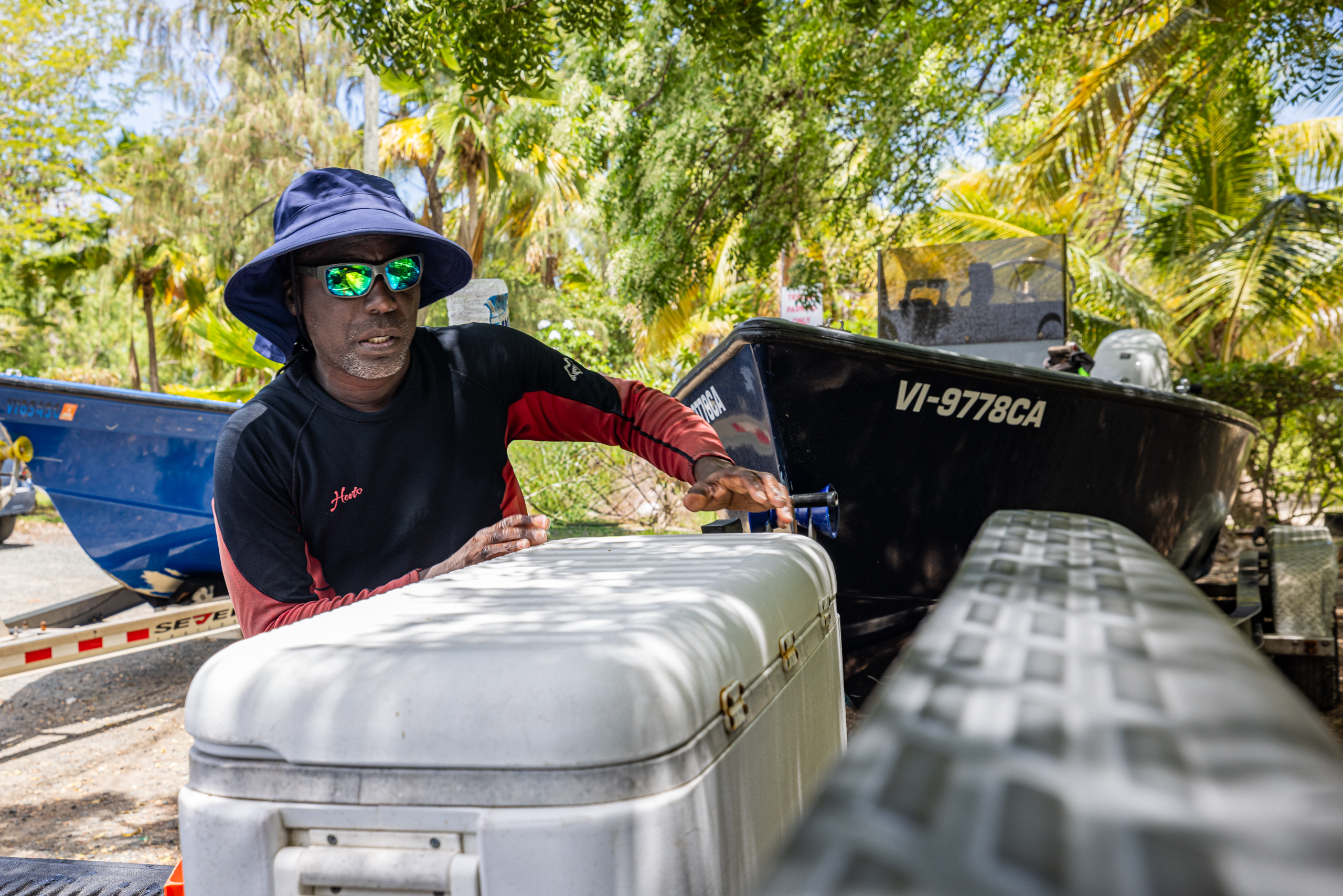
Commercial fishermen Bobby Thomas, loads his catch from the day in the back of his truck. Bobby has been fishing St. Croix waters for 30 years.
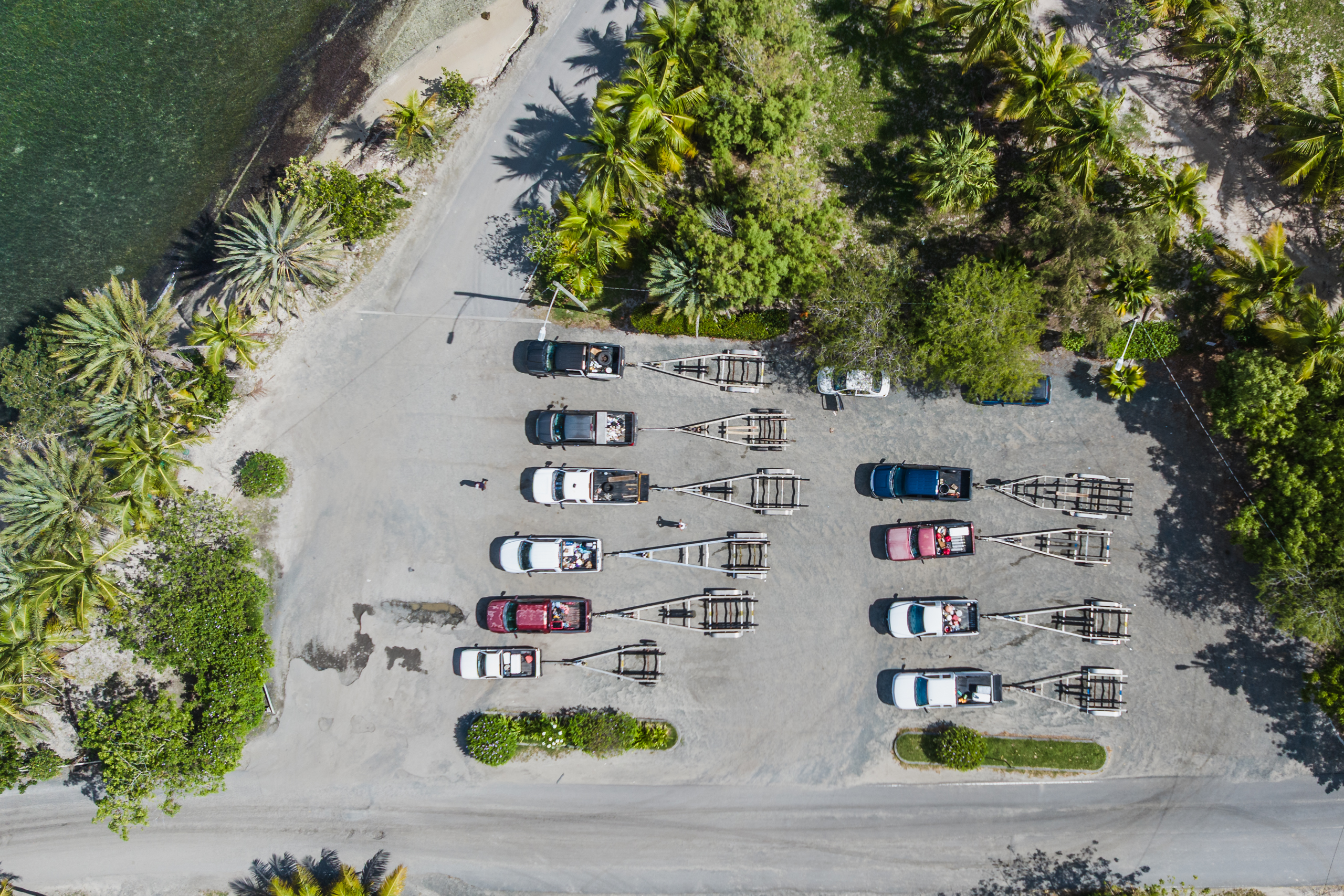
The Altona boat ramp area is a valuable resource for commercial fishermen and recreational boaters as it provides a safe place to launch their boats and park their trailers.
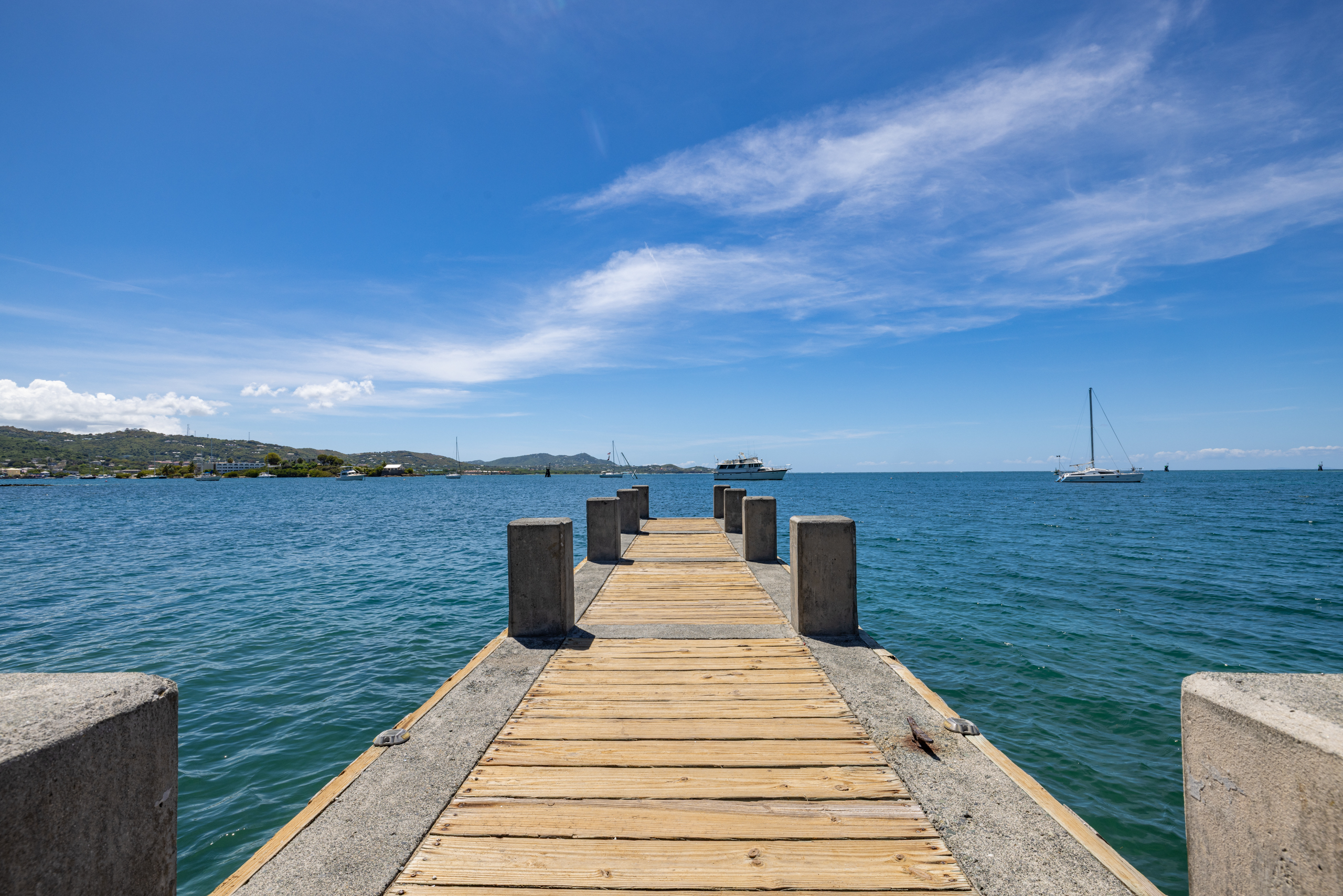
The recently built dock provides an easy access point for dropping off or picking up boat passengers and a location where locals can fish from shore.
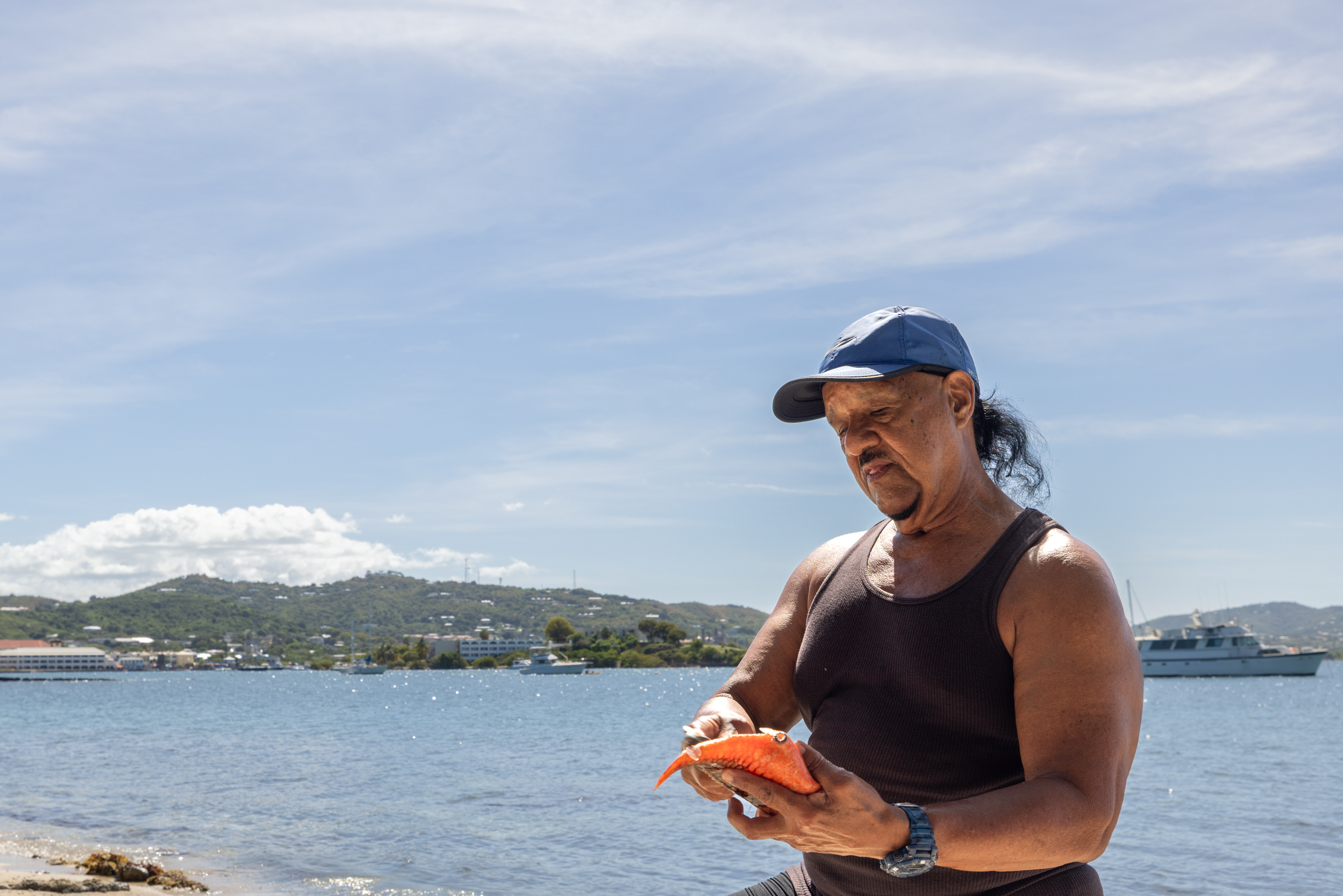
Olay Marin lives in a neighboring community near Altona Lagoon and often cleans his fish on the beach beside the lagoon.
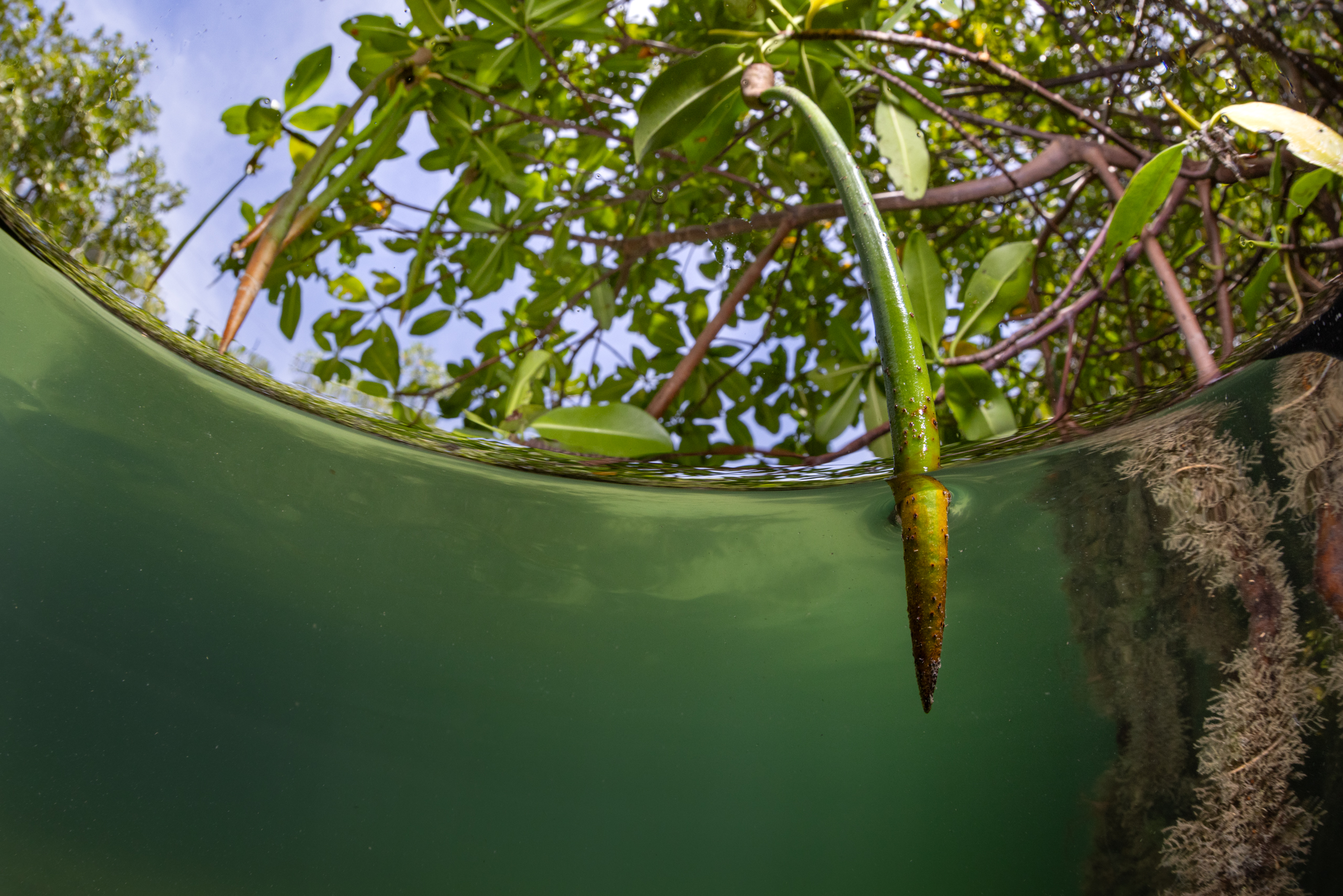
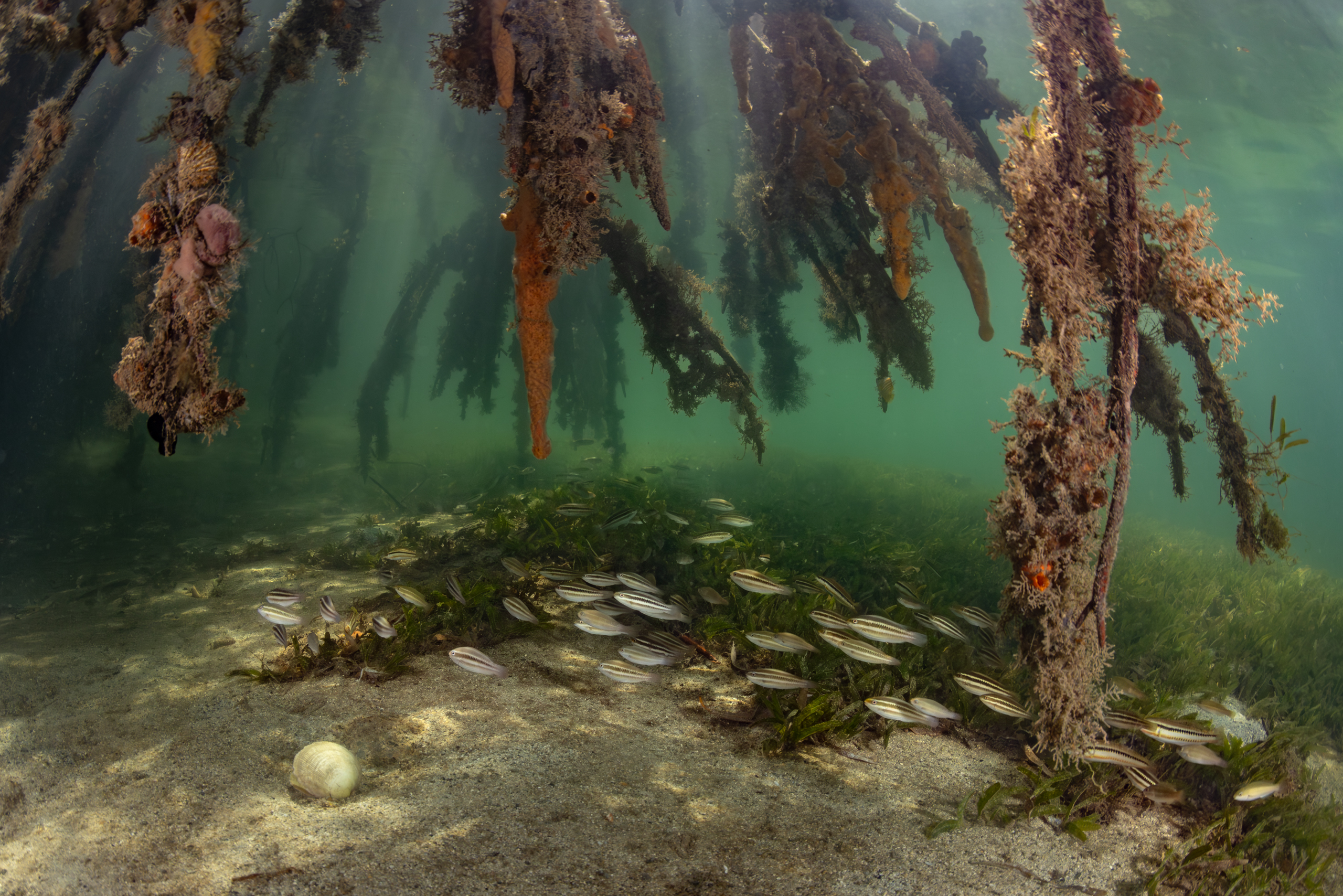
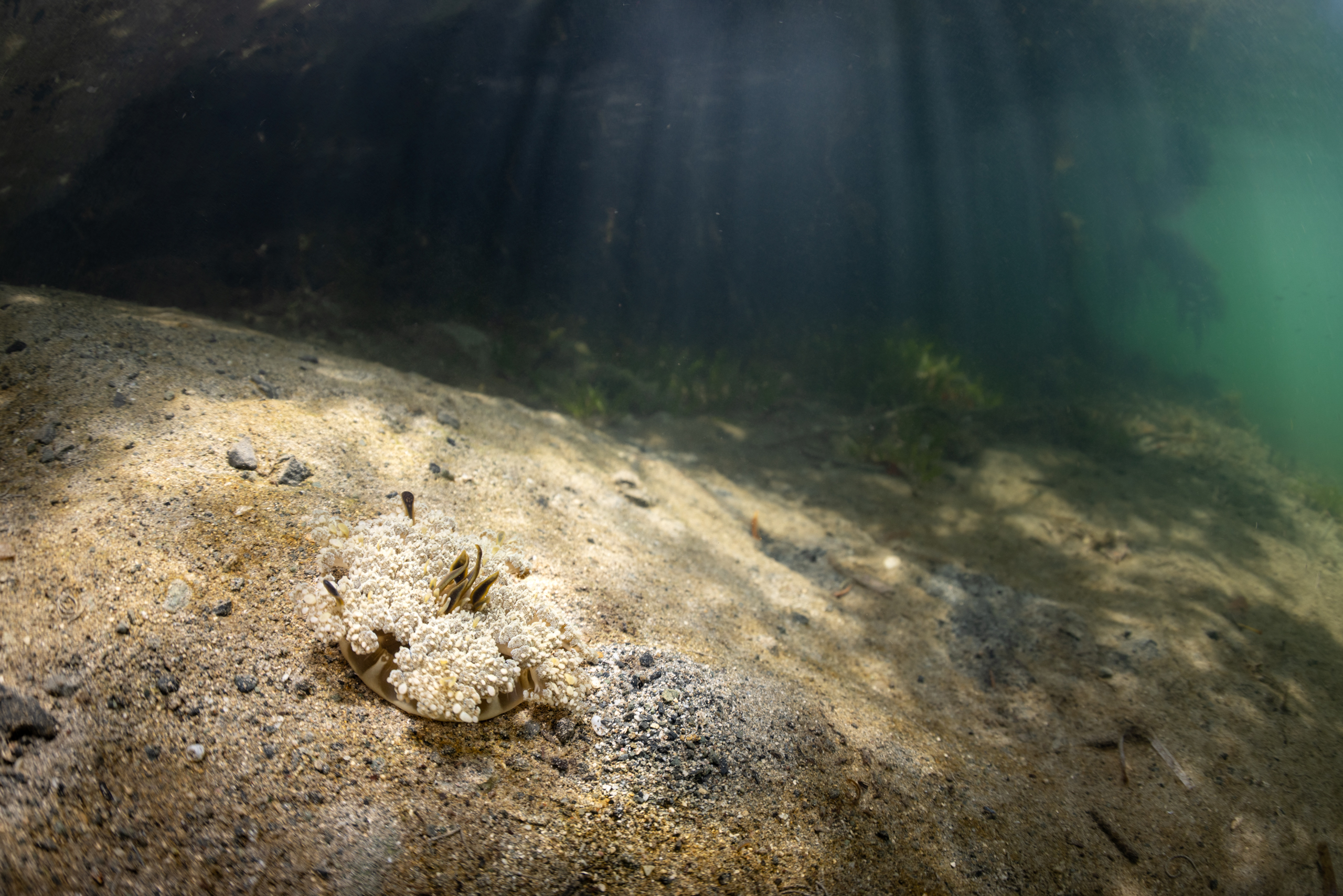
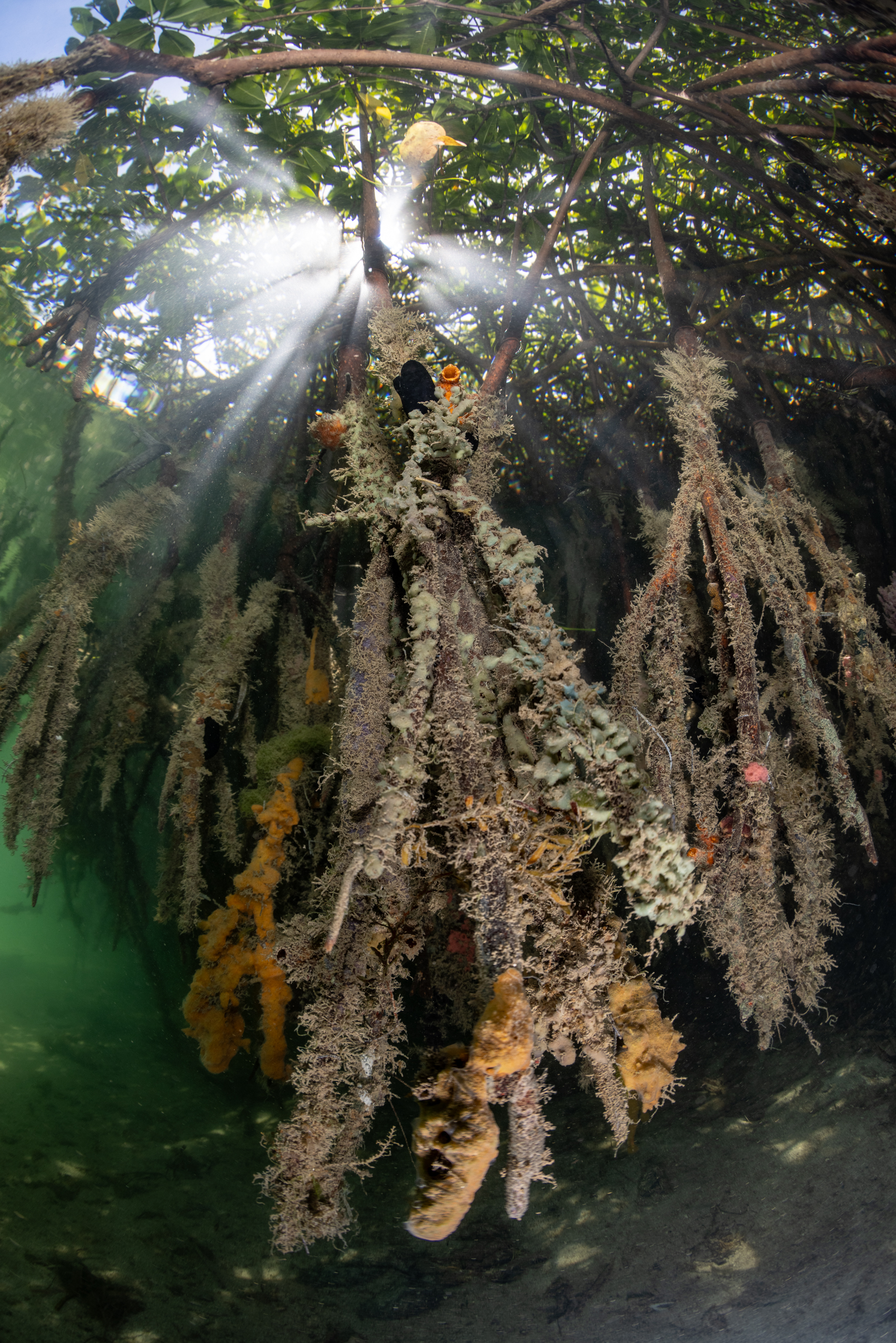
The red mangroves (Rhizophora mangle) that border the small channel where Felipe and Angelo fish act as a bridge between the terrestrial and underwater worlds. Even their seeds, known as propagules, begin growing above the water before dropping into it and floating away to find a new place to take root. Above the water, mangrove branches provide habitat for birds, lizards, and several native species. Below the surface is a complex web of roots resembling giant spider legs. These prop roots provide habitat for many of the fish Felipe and Angelo catch. Snorkelers can swim through the roots, finding various species of crabs, fish, and even the upside down jellyfish. The prop roots can also be covered with dozens of invertebrates and encrusting algae, sometimes creating a colorful mosaic.
A red mangrove (Rhizophera mangle) propagule pokes through the water's surface. Soon it will break loose and float with the current until it finds a place to settle, put down roots and grow into a mangrove tree.
The variety of life that can be found in the small mangrove channel within Mount Welcome exemplifies that, despite being a small plot of land, it’s rich in diversity of native species. Snorkelers in the channel can drift with the current as the tides go in and out throughout the day.
The mangrove channel connecting Altona Lagoon to the sea is a vital corridor for juvenile fish, like these striped parrotfish (Scarus iseri), as they move between the two habitats.
The upside-down jellyfish (Cassiopea) gets most of its energy from sunlight through photosynthetic algae living in its tissues, much like plants do.
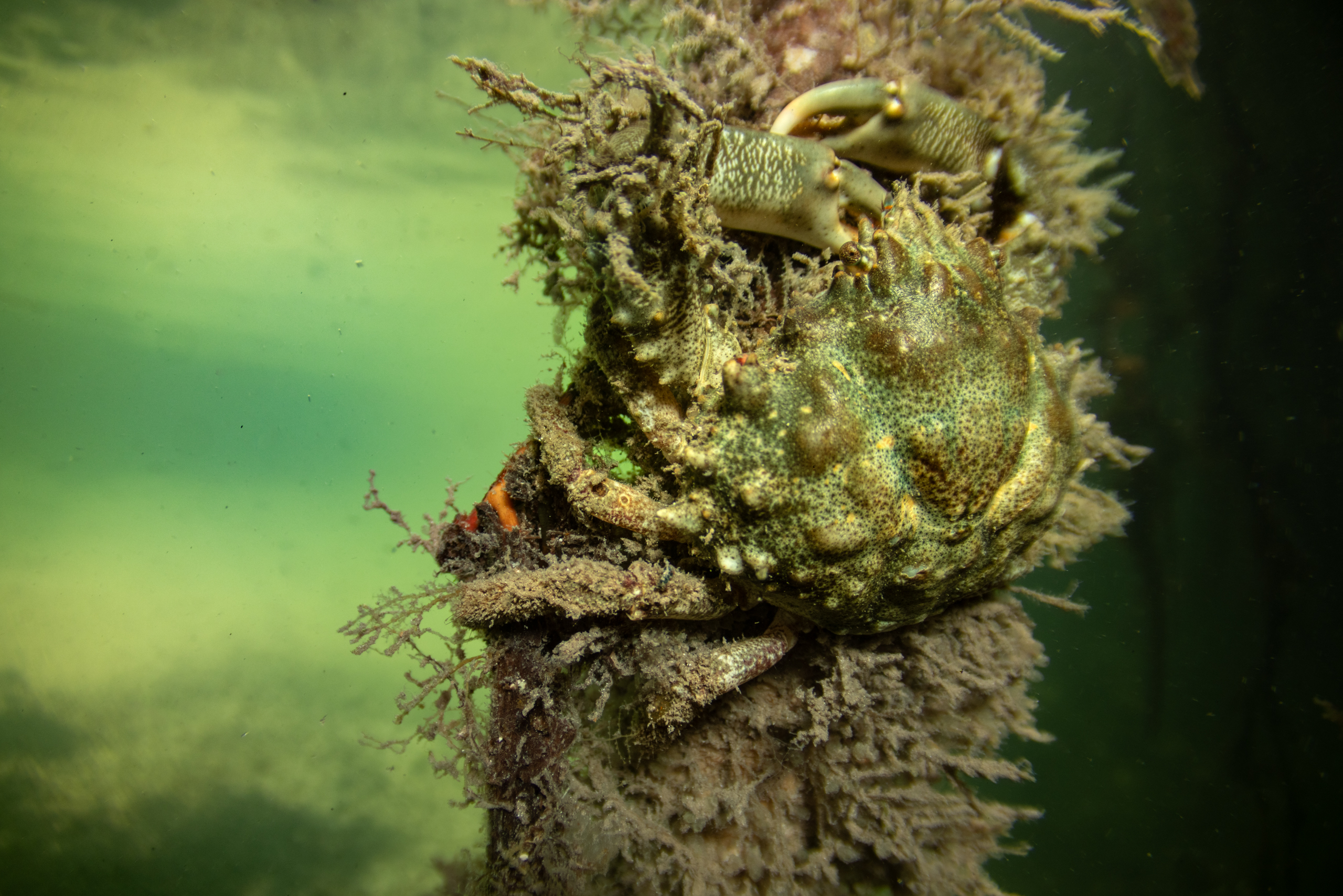
Emerald crabs are common in mangroves and act as a cleanup crew by eating algae and decaying material on mangrove prop roots.
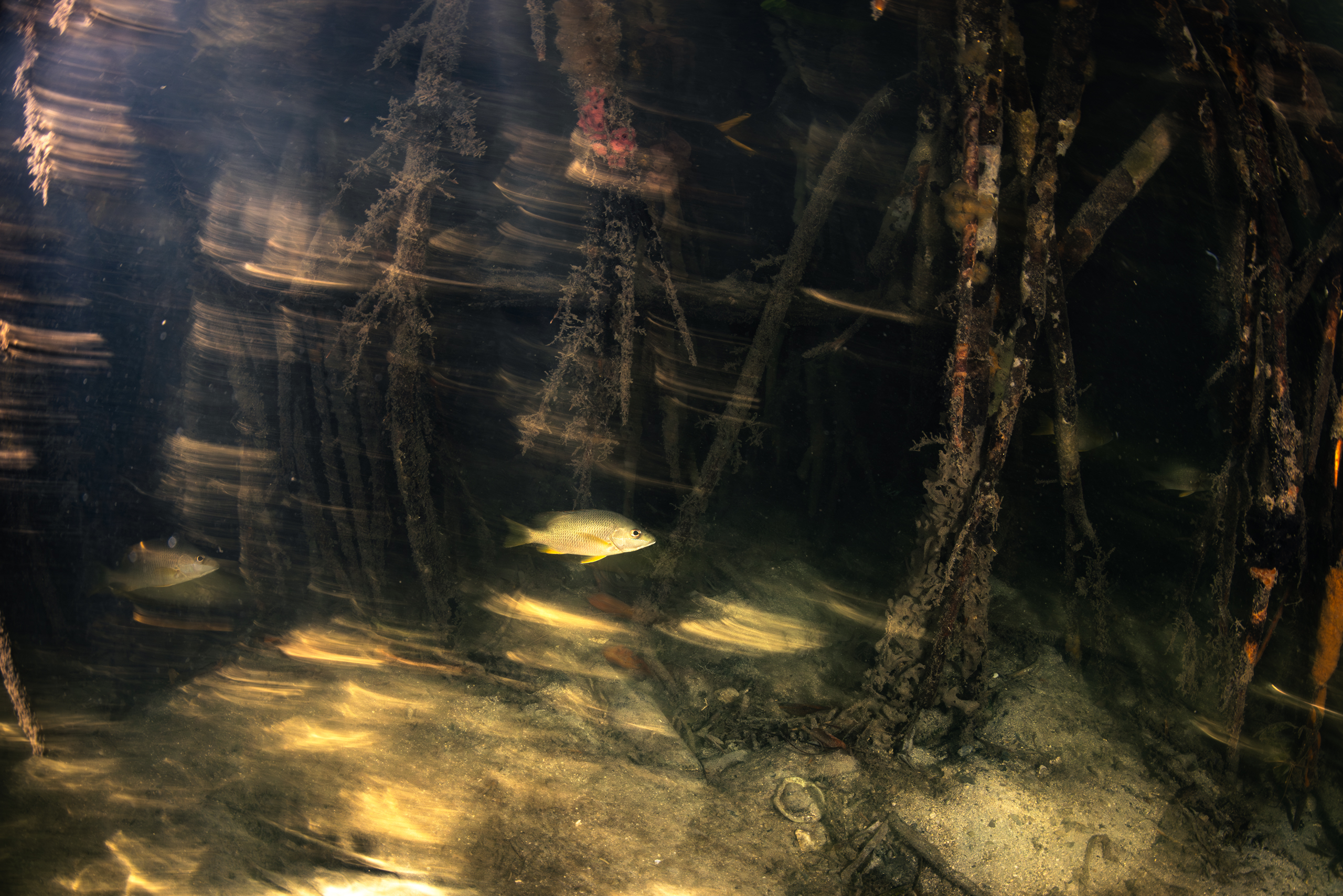
Schoolmaster snappers (Lutjanus apodus) utilize the protection of the mangrove roots from larger predators.
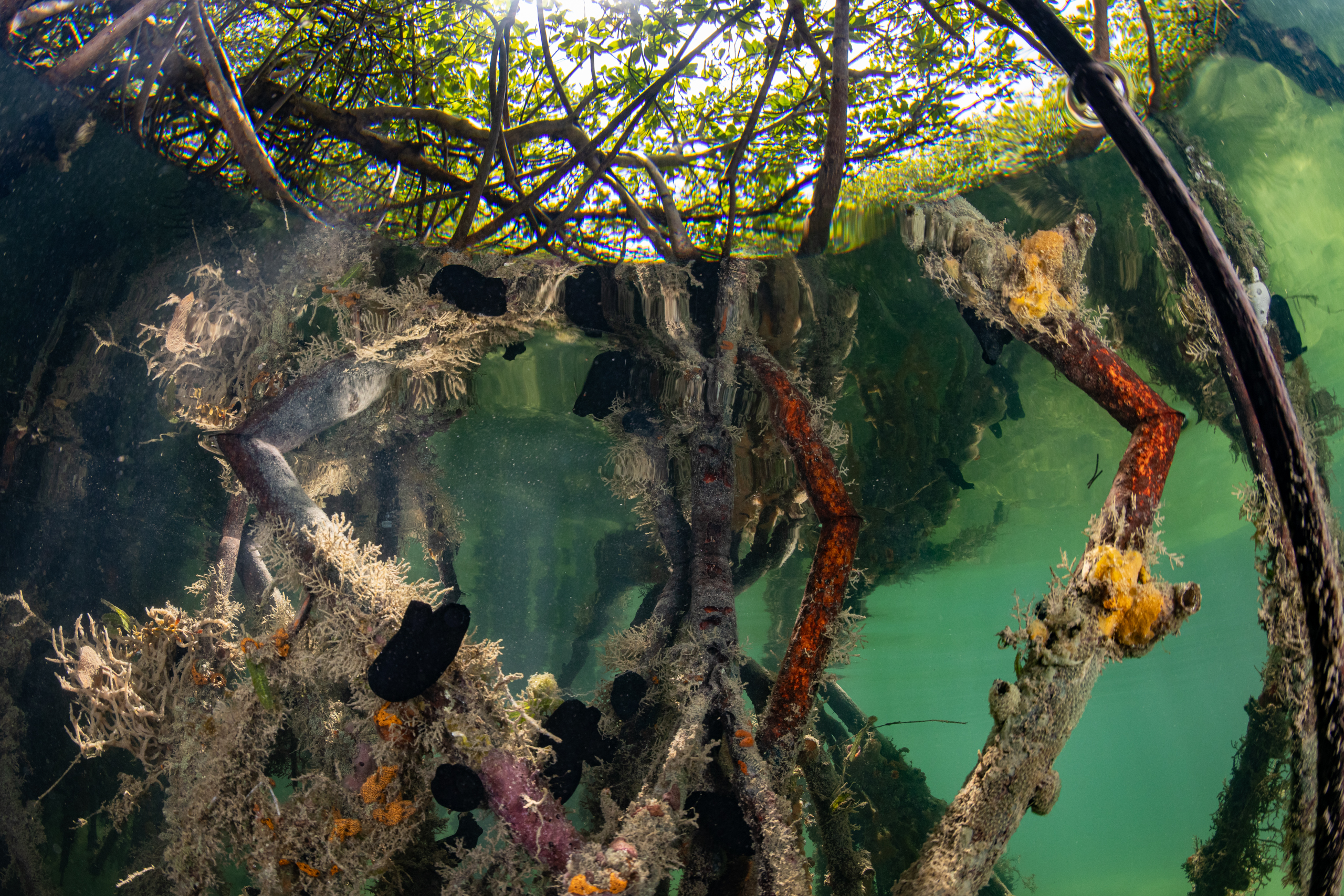
Mangrove prop roots host a wide variety of colorful encrusting invertebrates, making these ecosystems both vibrant and highly productive.
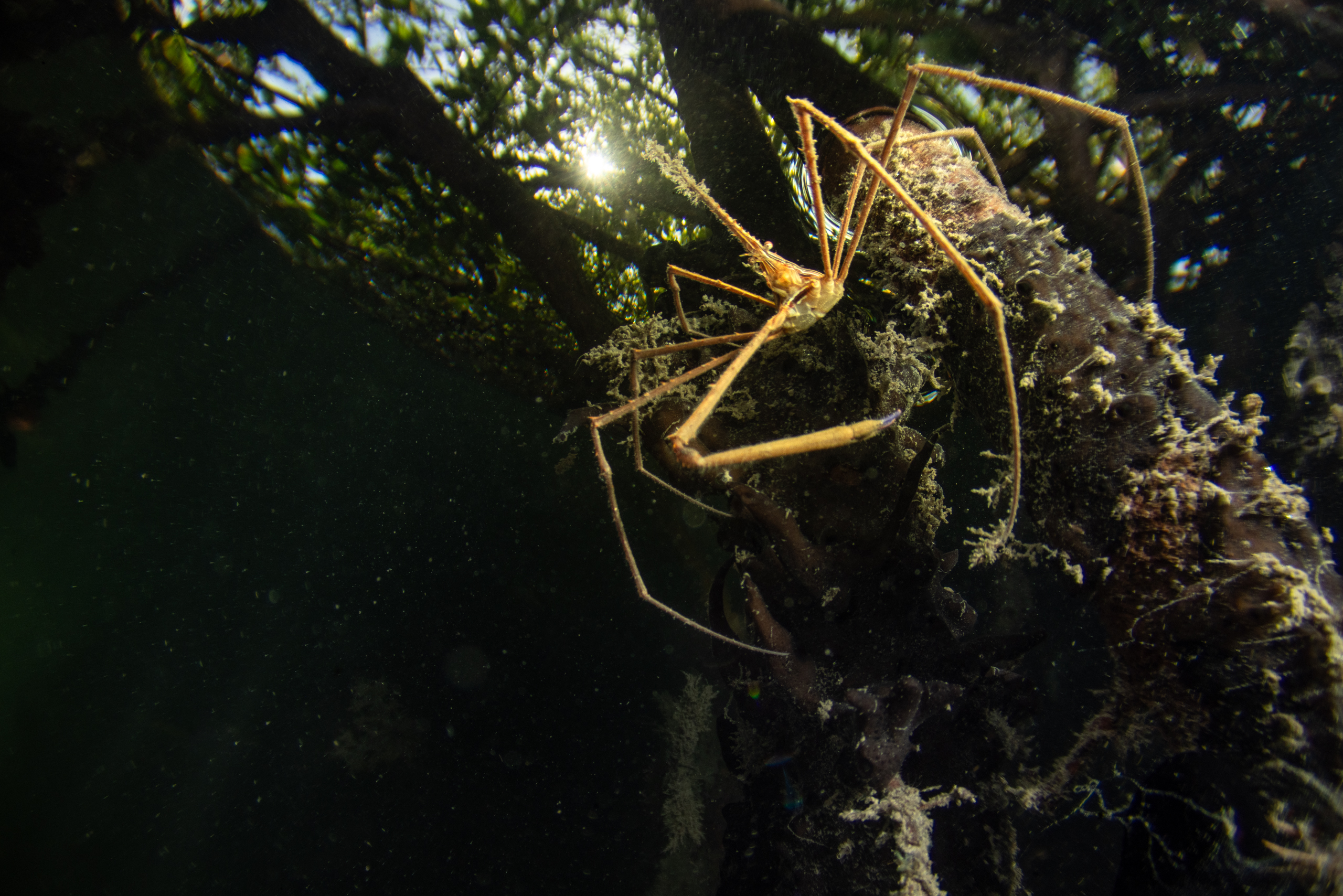
Resembling a long-legged spider, arrow crabs are gentle creatures that use their small claws to pick algae off mangrove prop roots.
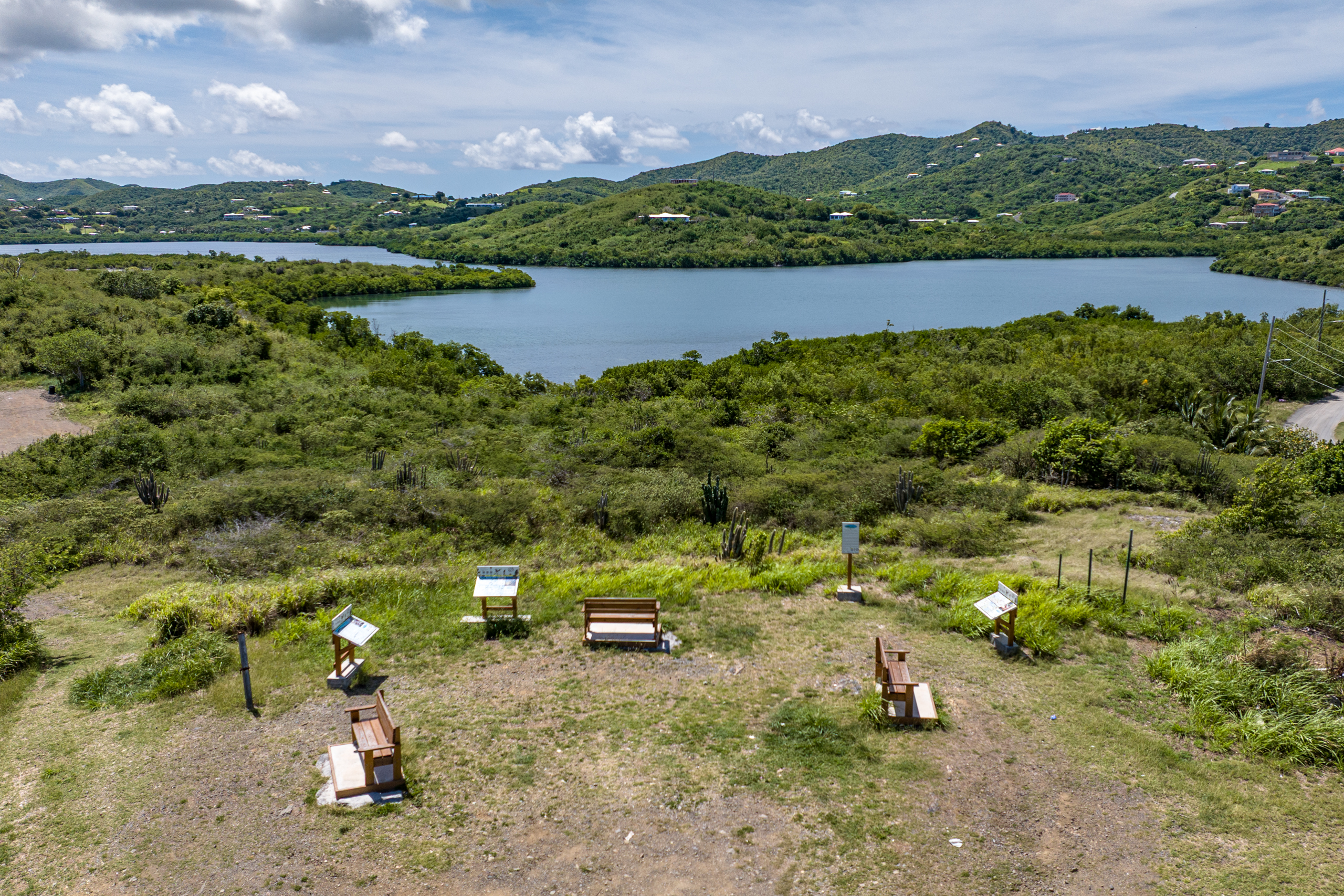
Visitors to Mount Welcome who prefer to stay dry still have plenty of ways to experience the landscape from land. Near the entrance road, a dirt trail leads into the forest following the edge of the lagoon. The mostly shaded trail opens up to glimpses of water through the trees. What makes this area especially unique is how many environments it connects within a short distance. On the coastal side, Altona Lagoon Park offers calm water and space for swimming, while just down the road, the Altona Lagoon Outlook rises above the shoreline, offering wide panoramic views of the lagoon on one side and the Caribbean Sea on the other. The site is also a popular place for birdwatching, where visitors often pause to scan the sky and shoreline. Educational signage along the overlook helps identify local bird species, and a chance to learn about the wildlife inhabiting the landscape.
To get away from the sounds of cars and people. hikers can enjoy a short trail that borders Altona Lagoon.
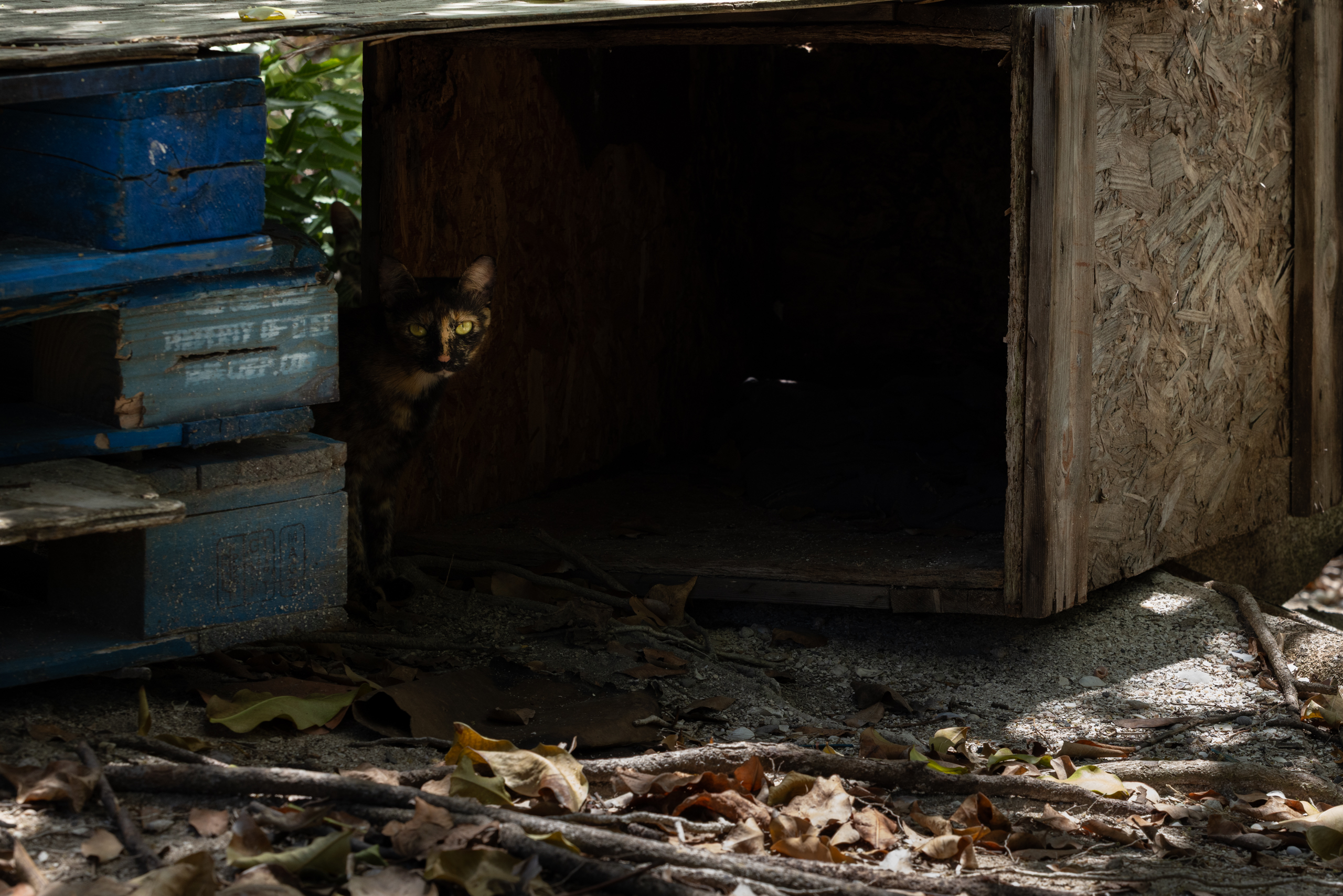
Despite abundant wildlife viewing opportunities in 59 Estate Mount Welcome and the surrounding Altona Lagoon area, native species face ongoing pressures. In recent years, the area has become a place where abandoned domestic cats and feral populations are frequently present. As non native predators in the Virgin Islands, these cats can have negative impacts on local wildlife, including birds and other small native species that evolved here without land based mammalian predators. This adds another layer of importance to protecting this land, ensuring native species have space to persist and thrive alongside increasing human and environmental pressures.
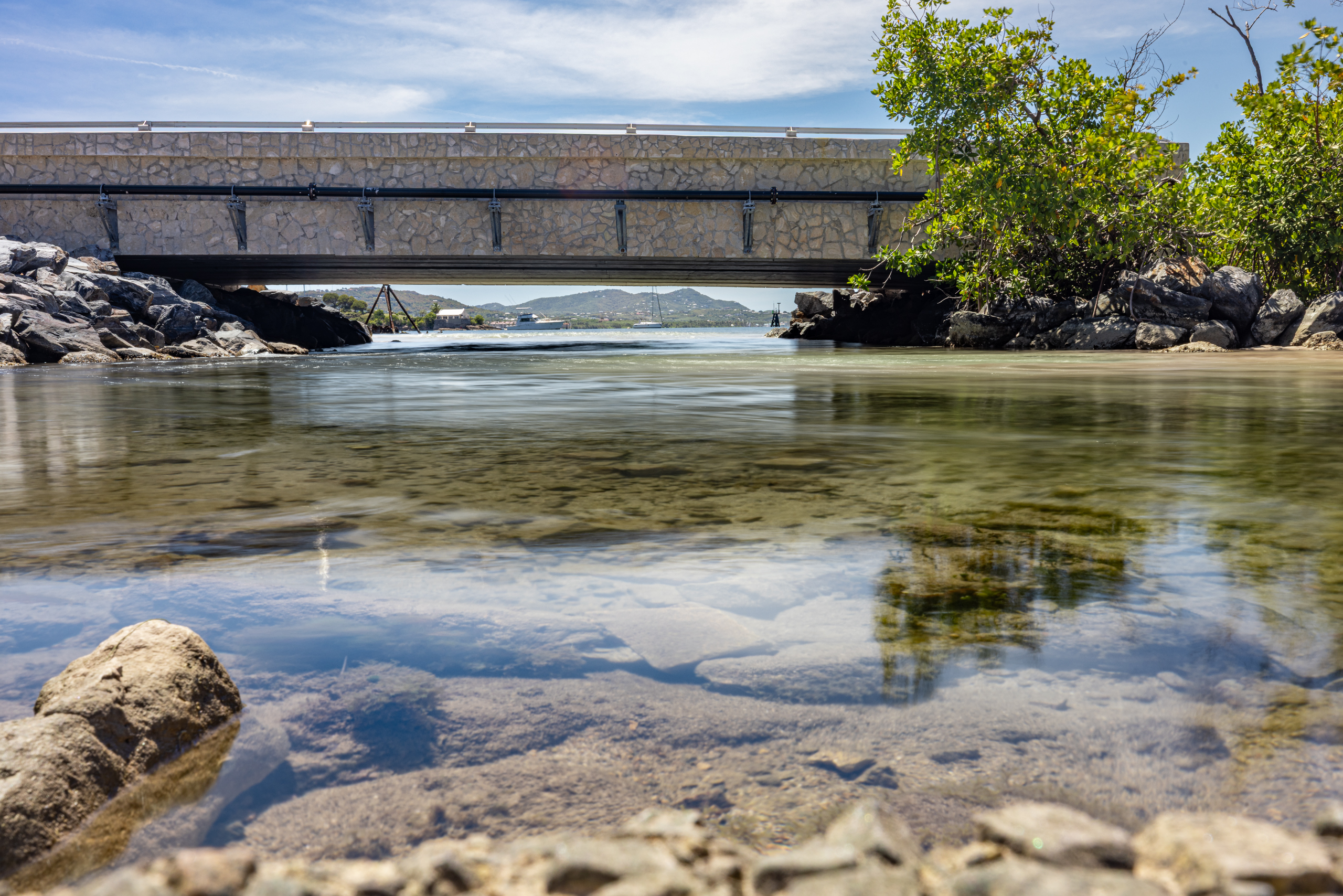
A recently rebuilt bridge provides safe public access to the Altona Lagoon area while maintaining the essential water flow between the sea and the lagoon, supporting the health of the ecosystem.
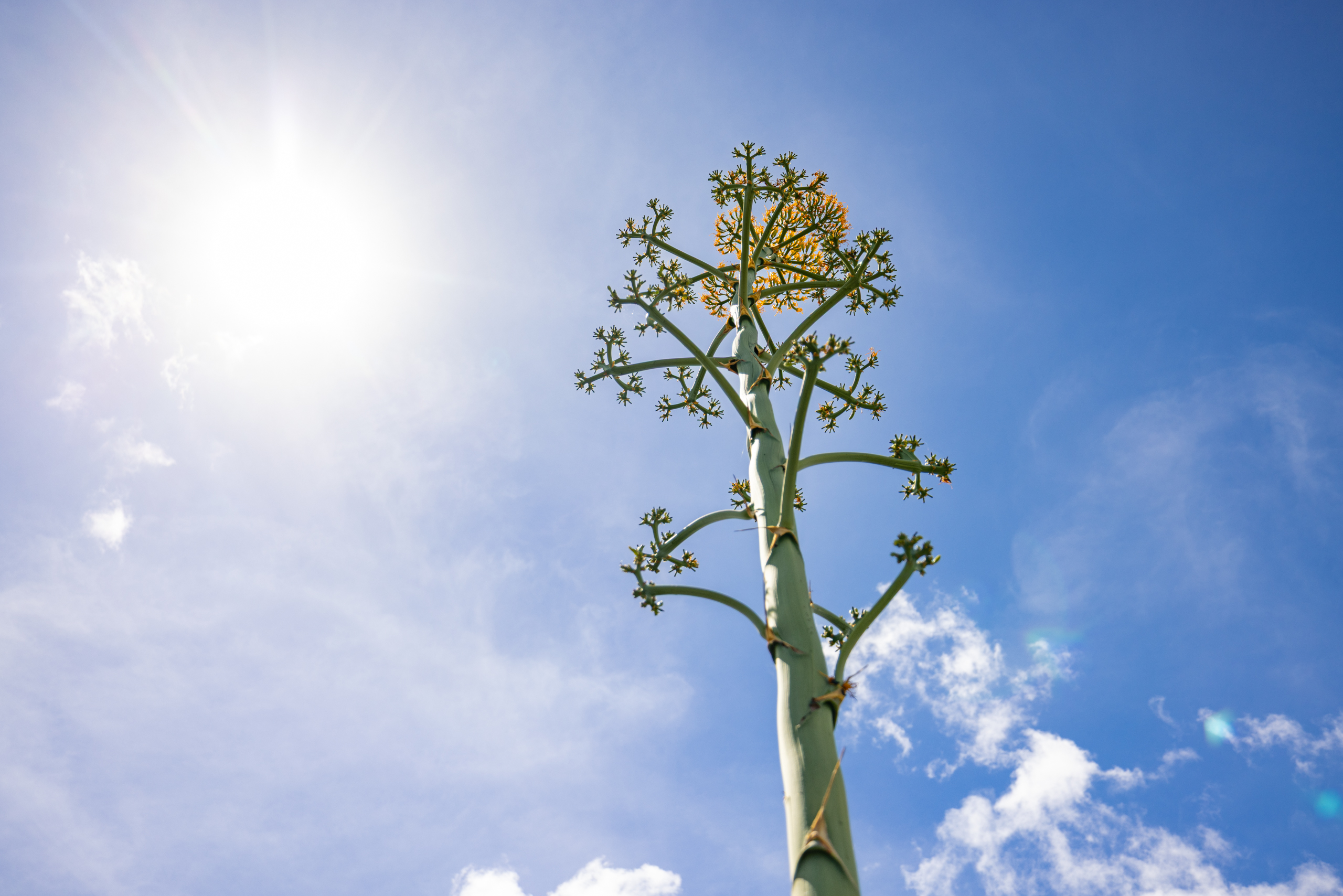
Century plant in bloom. These massive stalks can reach heights of 20-30 feet.
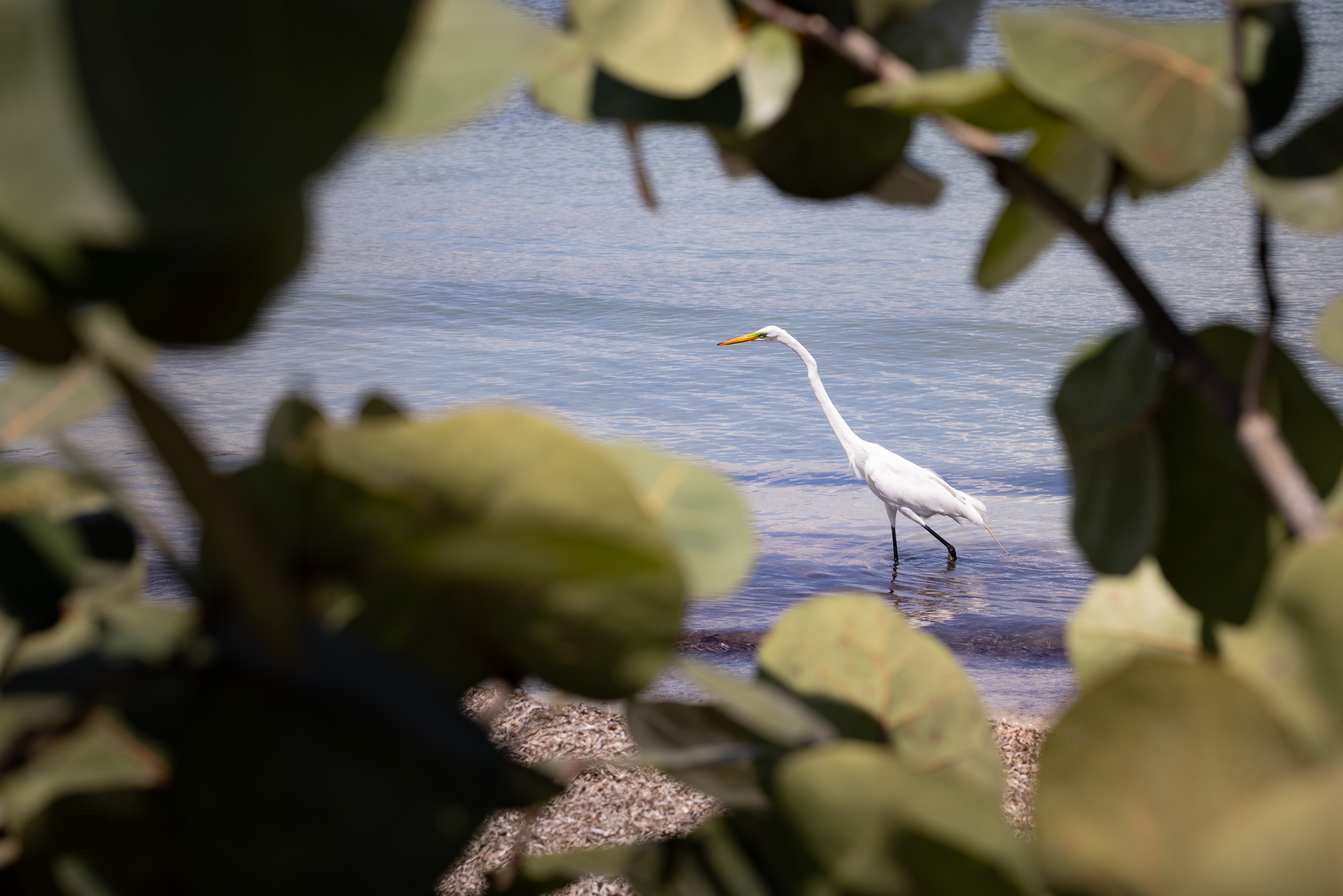
The lagoon and coastal shoreline offer excellent bird-watching opportunities.
Non-native species such as cats pose a major threat to native wildlife in the Virgin Islands because they prey on reptiles, birds, and other small animals that evolved here without mammalian predators.
The Altona Lagoon overlook offers 360-degree views of the Caribbean Sea on one side and the lagoon and Christiansted Harbor on the other, with educational signage to help visitors identify the birds they see from the hilltop.
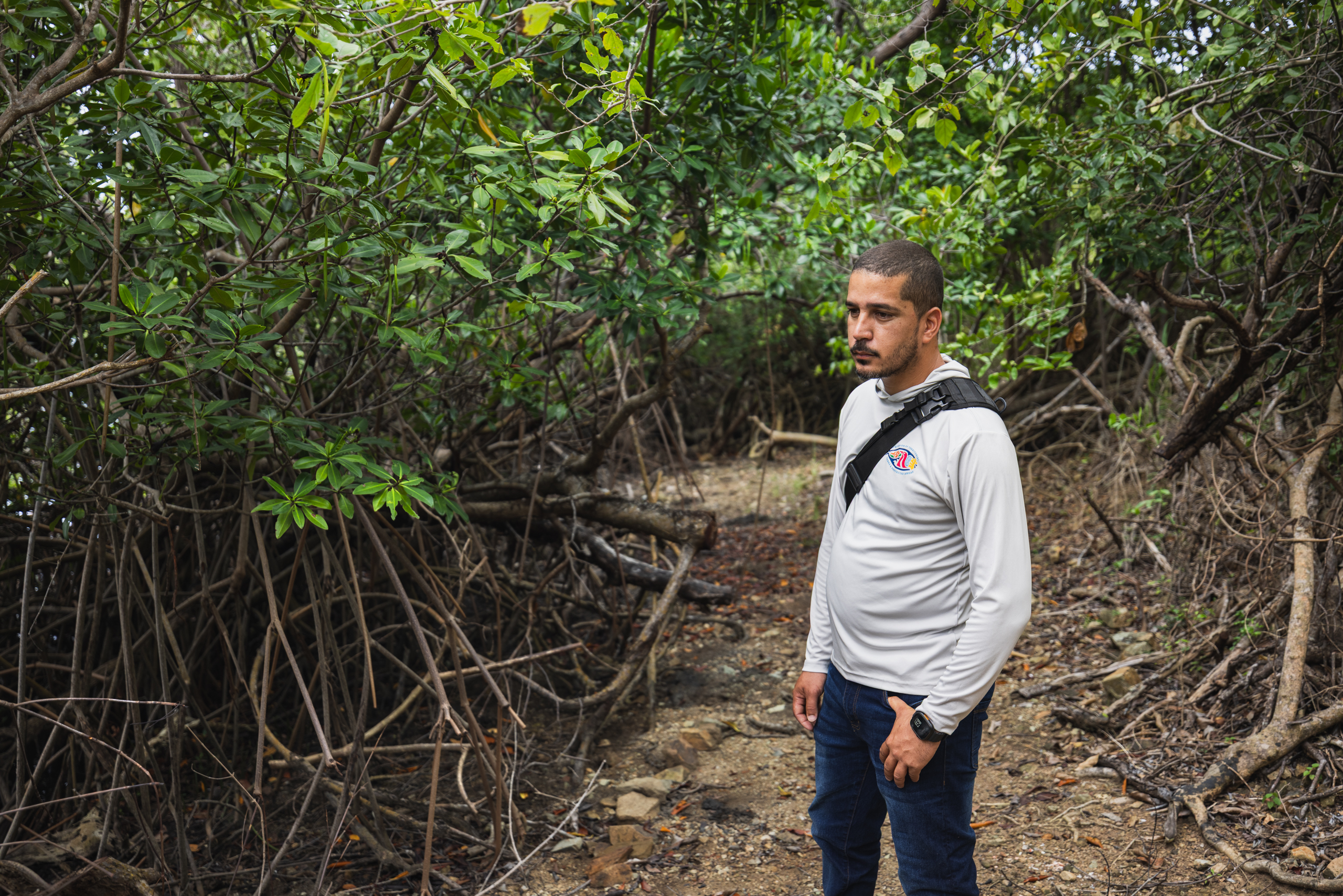
TPPA Property and Operations Manager Juan Cruz inspects the trail along the lagoon, ensuring it remains safe, well-maintained, and accessible for visitors.
Despite threats to 59 Estate Mount Welcome, its addition to the Territorial Parks & Protected Areas ensures this land will be protected in perpetuity. That long-term protection depends on consistent on-the-ground management. TPPA Property and Operations Manager Juan Cruz oversees maintenance, operations, and improvements across all sites, helping ensure public safety and continued access to TPPA’s natural and cultural resources. He also works closely with trainees from the Crucian Heritage and Nature Tourism (CHANT) organization, creating opportunities for Virgin Islands youth to participate in hands-on conservation work. Just as importantly, he stays connected with the people who use these areas every day, listening to their knowledge, needs, and experiences. Together, these efforts support a long-term vision where conservation and community use exist side by side for generations to come.
Sunlight filtering through the trees creates an almost otherworldly atmosphere when snorkeling amongst the mangrove prop roots.