On small islands, the land and sea are intimately connected. It all starts with the watershed.
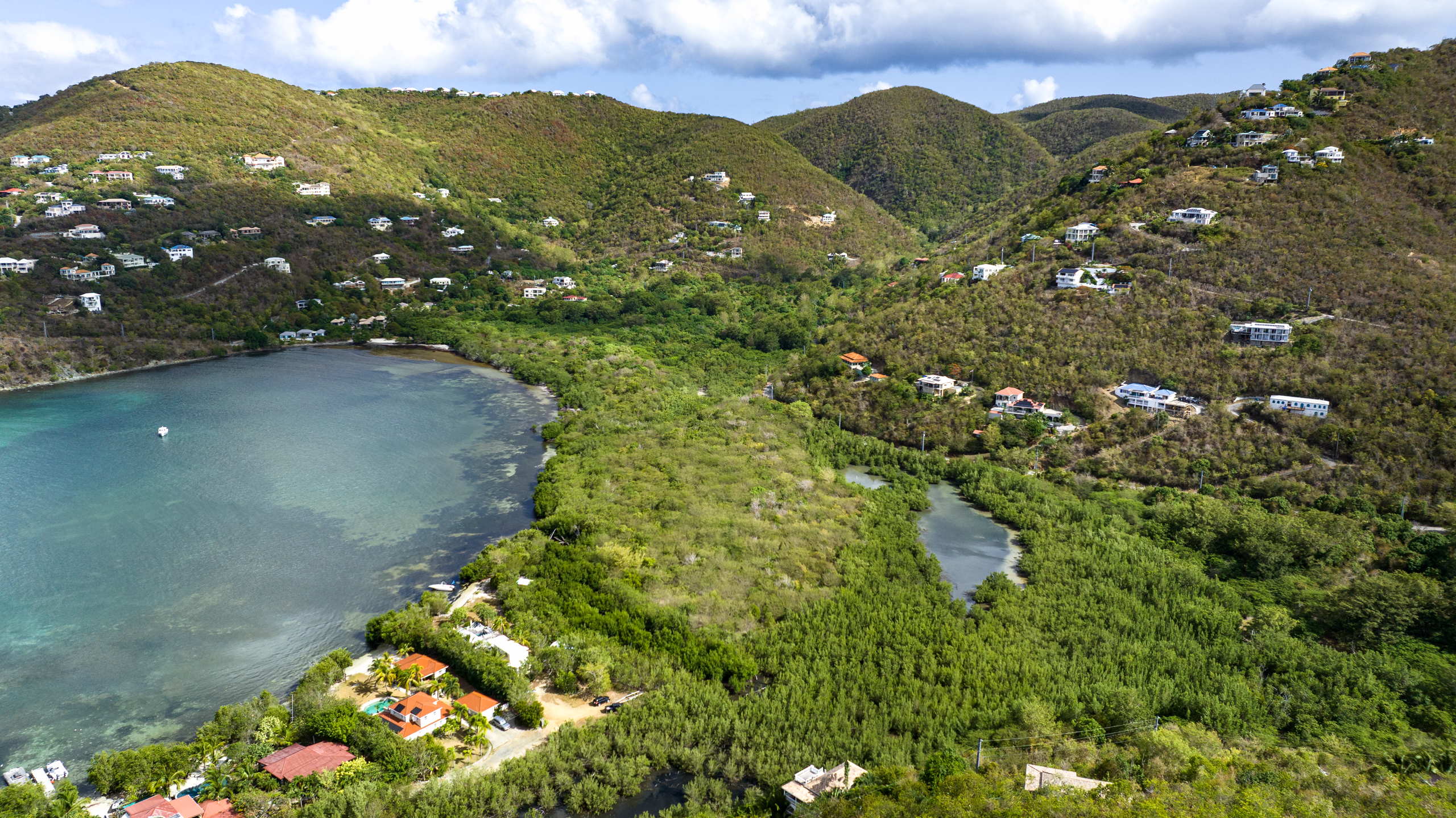
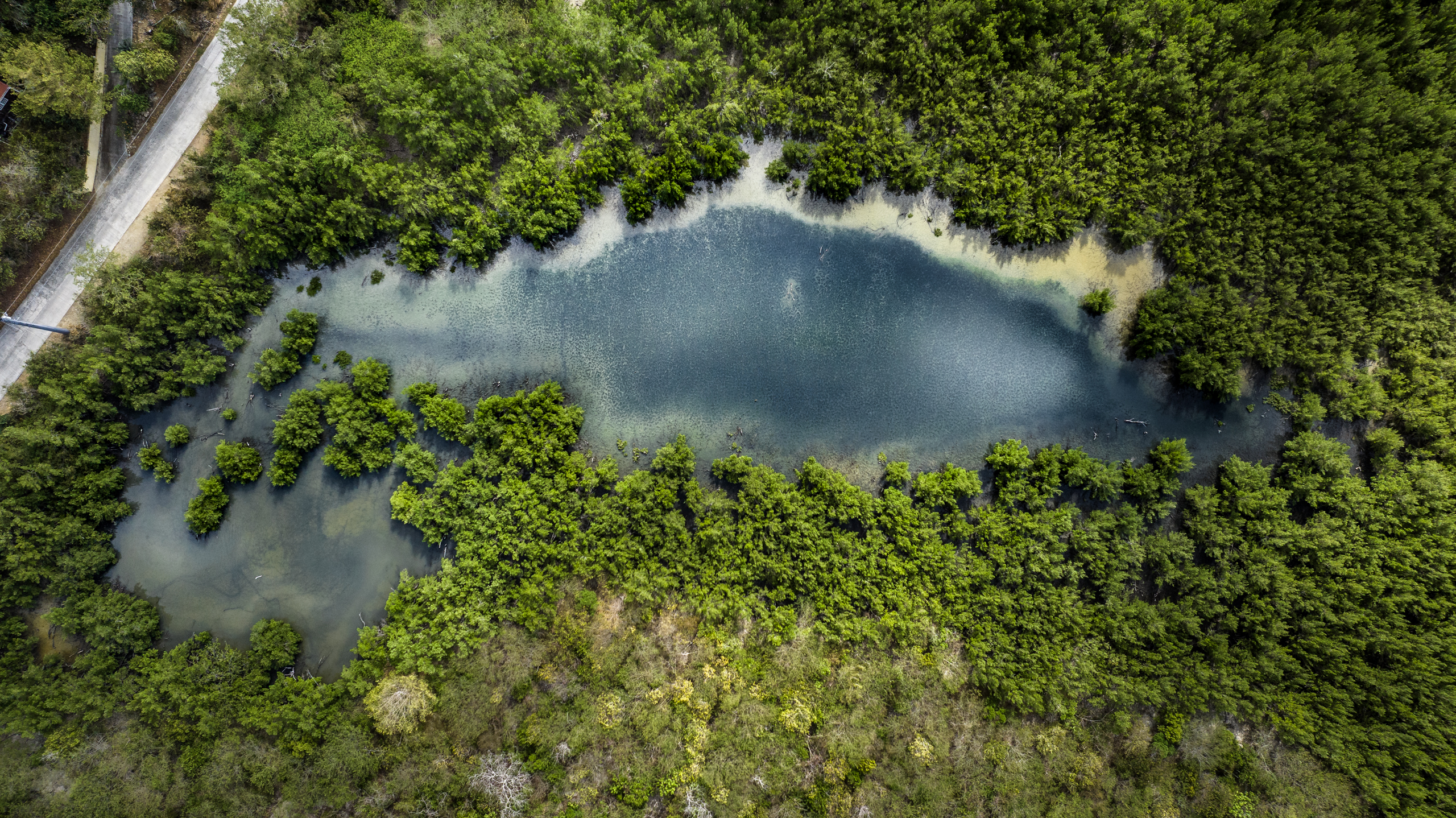
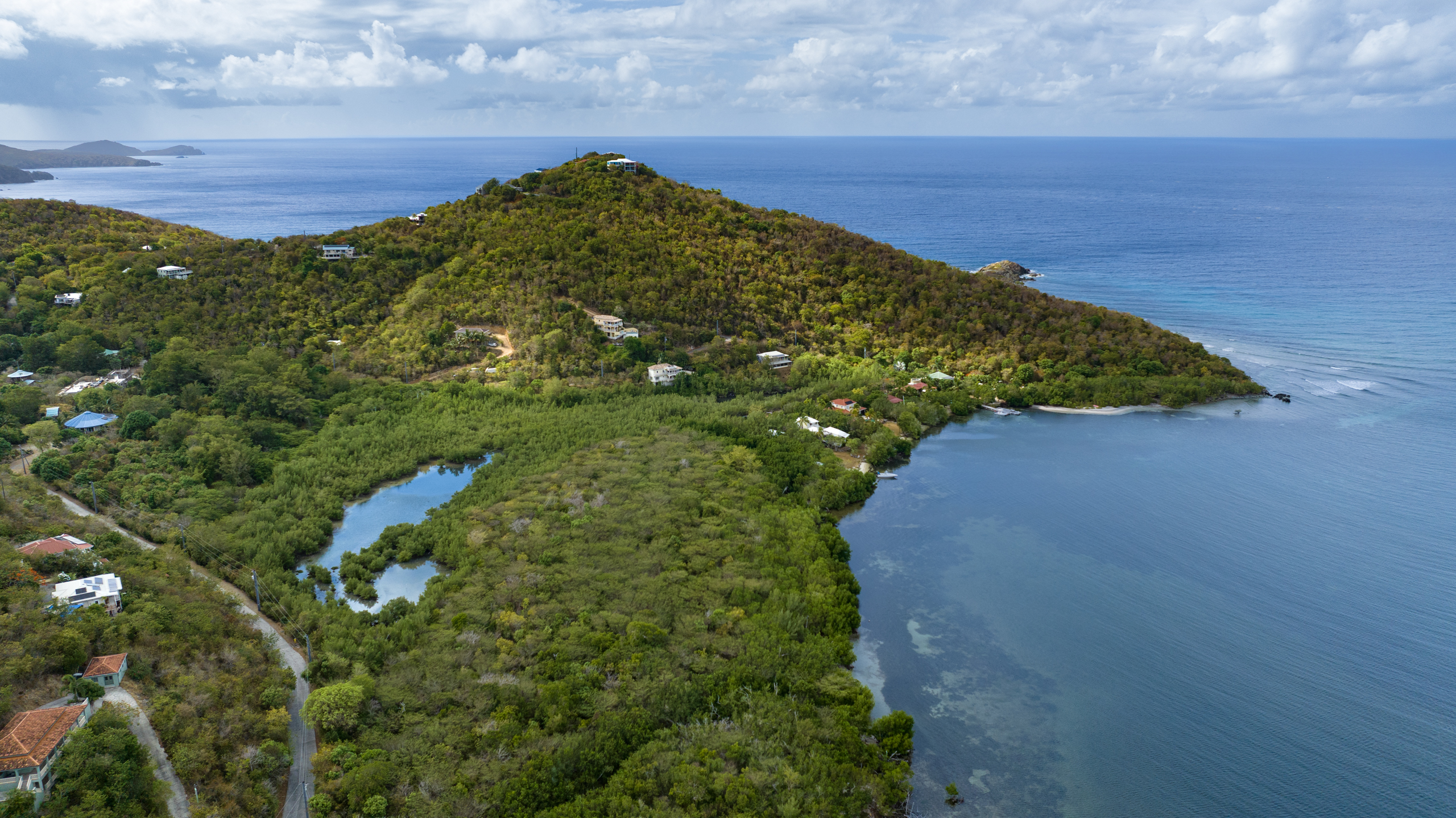
The Nancy Woodson Spire Nature Preserve protects nearly 50 acres of watershed habitat, including guts, salt ponds, mangroves, and several types of forest.
Much of the Fish Bay area of St. John, U.S. Virgin Islands, is developed with residential homes. But between the development and at the base of the hillside are untouched parcels of land that collectively serve a valuable purpose.
In October of 2024, over a dozen strategic parcels of land, making up a total area of approximately 50 acres, were donated by the Island Resource Foundation to DPNR’s Division of Territorial Parks & Protected Areas. Together, the parcels aim to protect the Fish Bay watershed by including forest, gut, and mangrove ecosystems. The land also includes the Native Plant Garden, where visitors can learn about some of the trees native to the Fish Bay landscape. Together, these protected areas make up the Nancy Woodson Spire Nature Preserve (NWSNP).
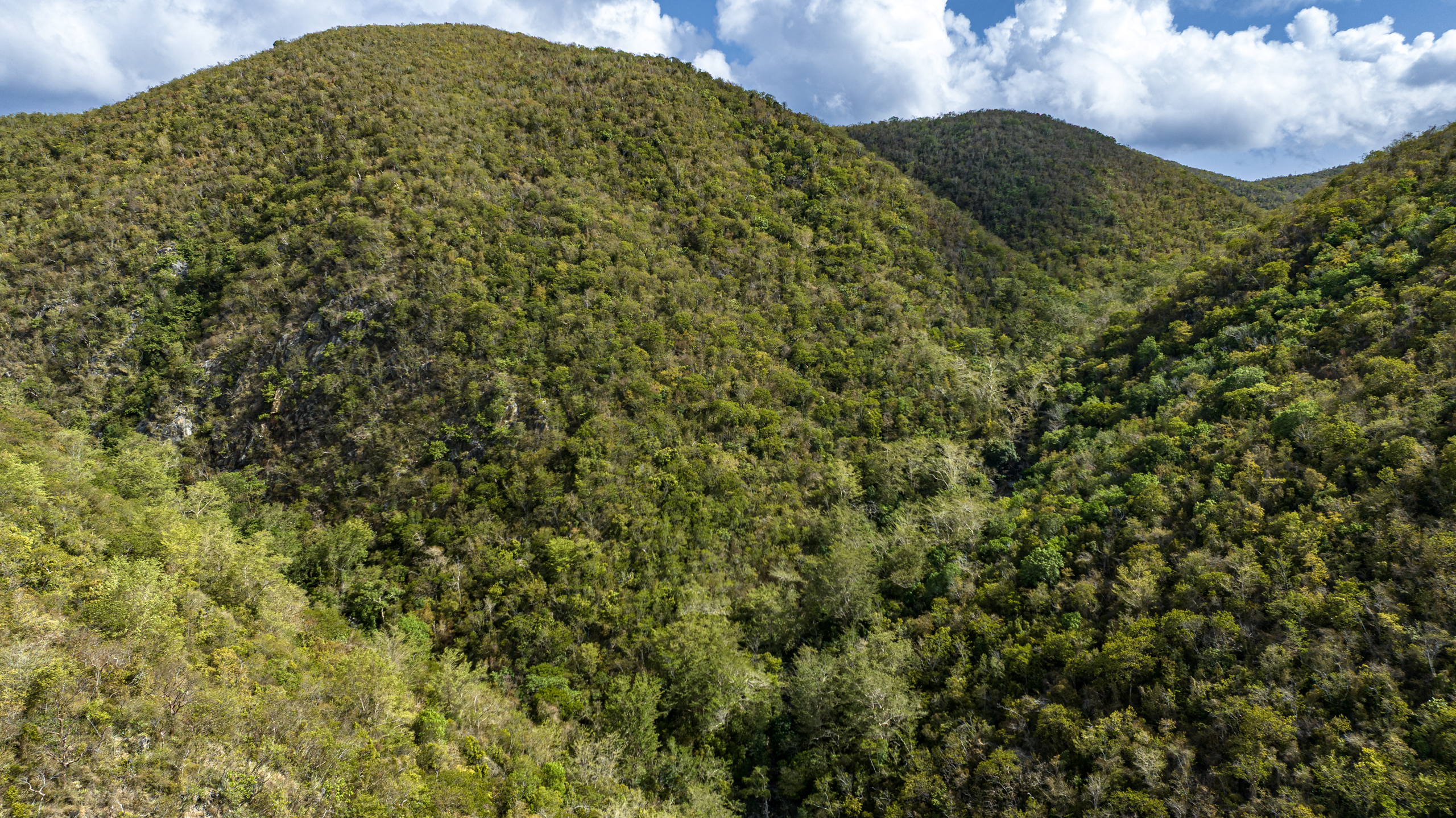
Protecting a watershed means to protect the ridge-to-reef connections that define island ecosystems like those in the U.S. Virgin Islands. What happens on the hillsides impacts everything downstream. To understand this connection, you need to start in the upland guts of the watersheds.
During rainstorms, water flows into guts, carving natural channels between hillsides.
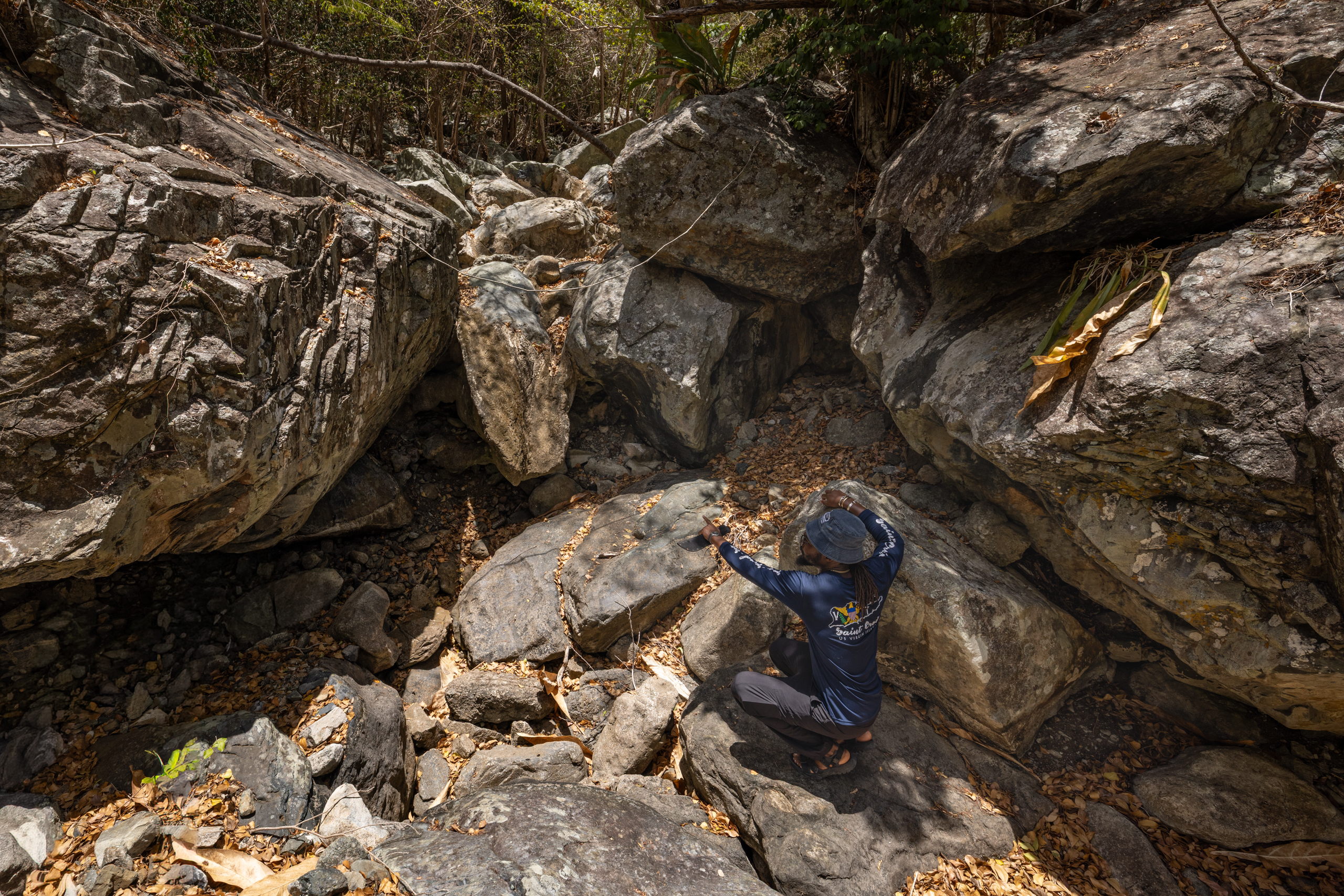
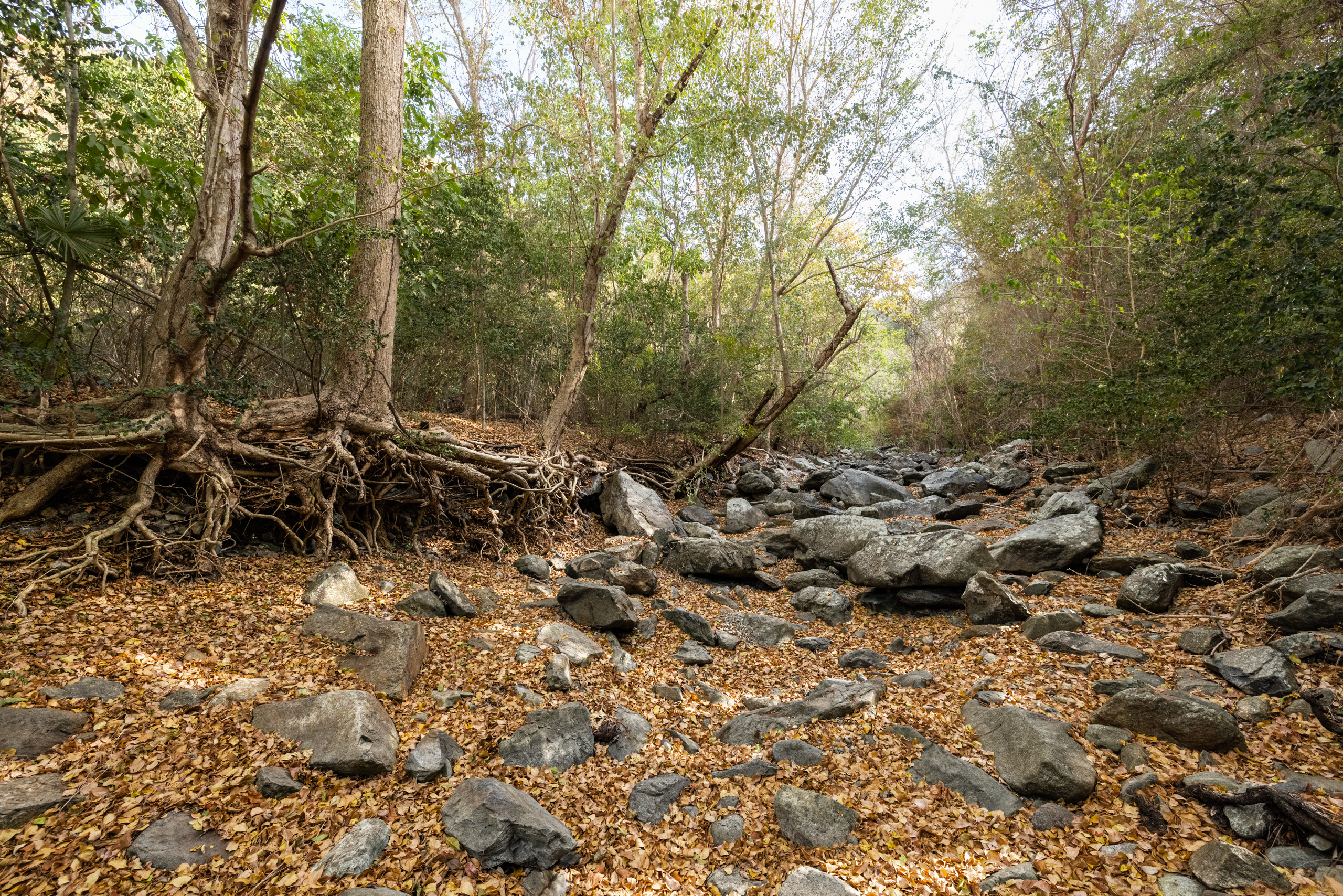
Even when dry, the evidence of water flow remains, etched into the rocks over time.
When it rains, water is channeled into guts, the narrow rocky channels that outline each hillside. During heavy rain, these guts can be several feet deep with fast-flowing water, carrying anything that makes its way into the gut downstream. You can think of the guts as the arteries of the islands, as they transport water to various ecosystems. Unfortunately, despite laws in place to protect guts from development and dumping, many guts in the territory have been abused for years and contain large amounts of trash and contaminants.
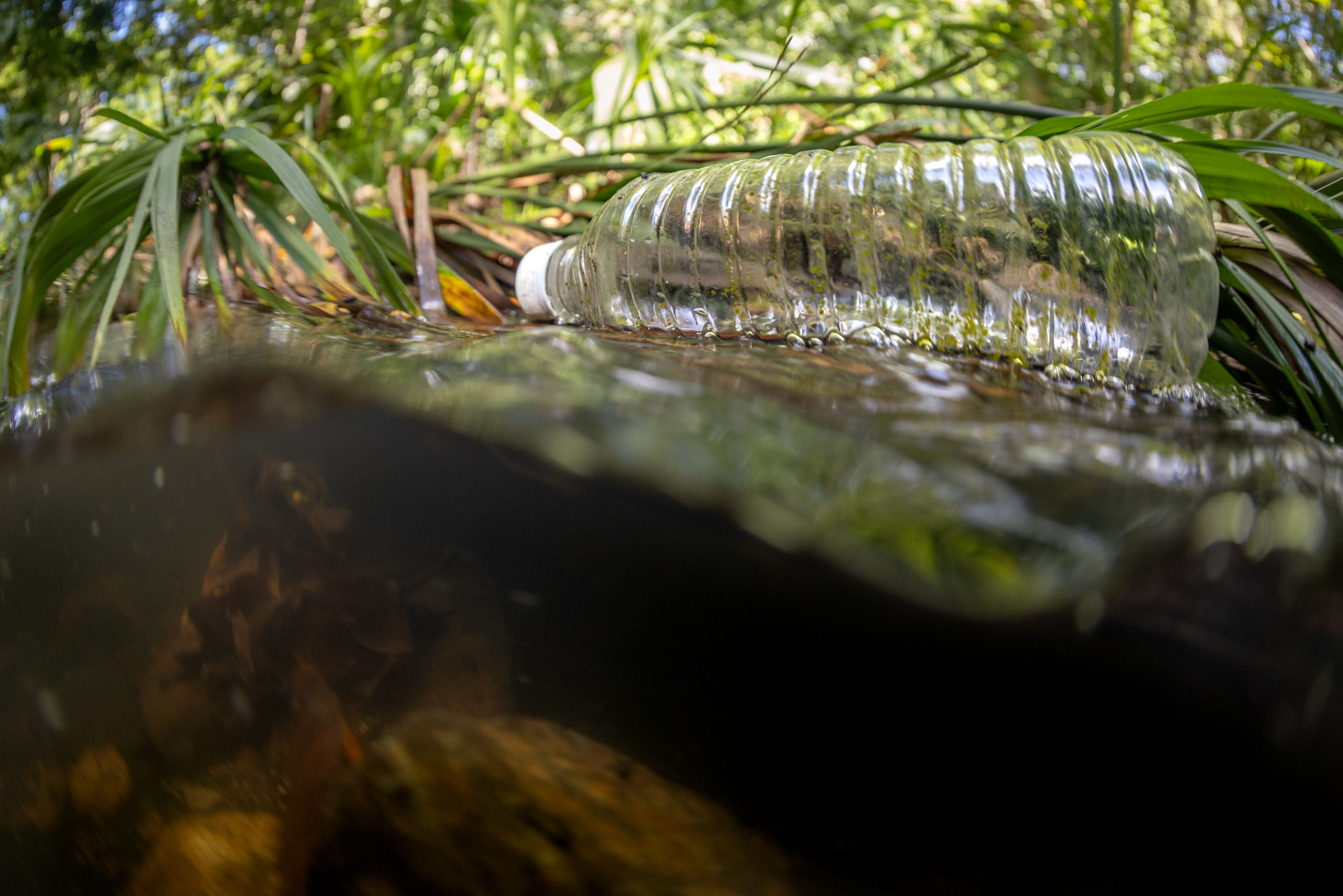
When the guts flow, discarded trash is transported down the hillside.
Only a handful of the guts in the Virgin Islands flow year-round. During the drier months, typically December through April, the only permanent freshwater you’ll find is contained in shallow, isolated pools. Wildlife trapped in these pools must be able to survive for several months, feeding off whatever lives in or falls into the pool or algae growing in it. Once the rainy season begins, these pools will become connected, allowing their inhabitants to travel between different sections of the guts.
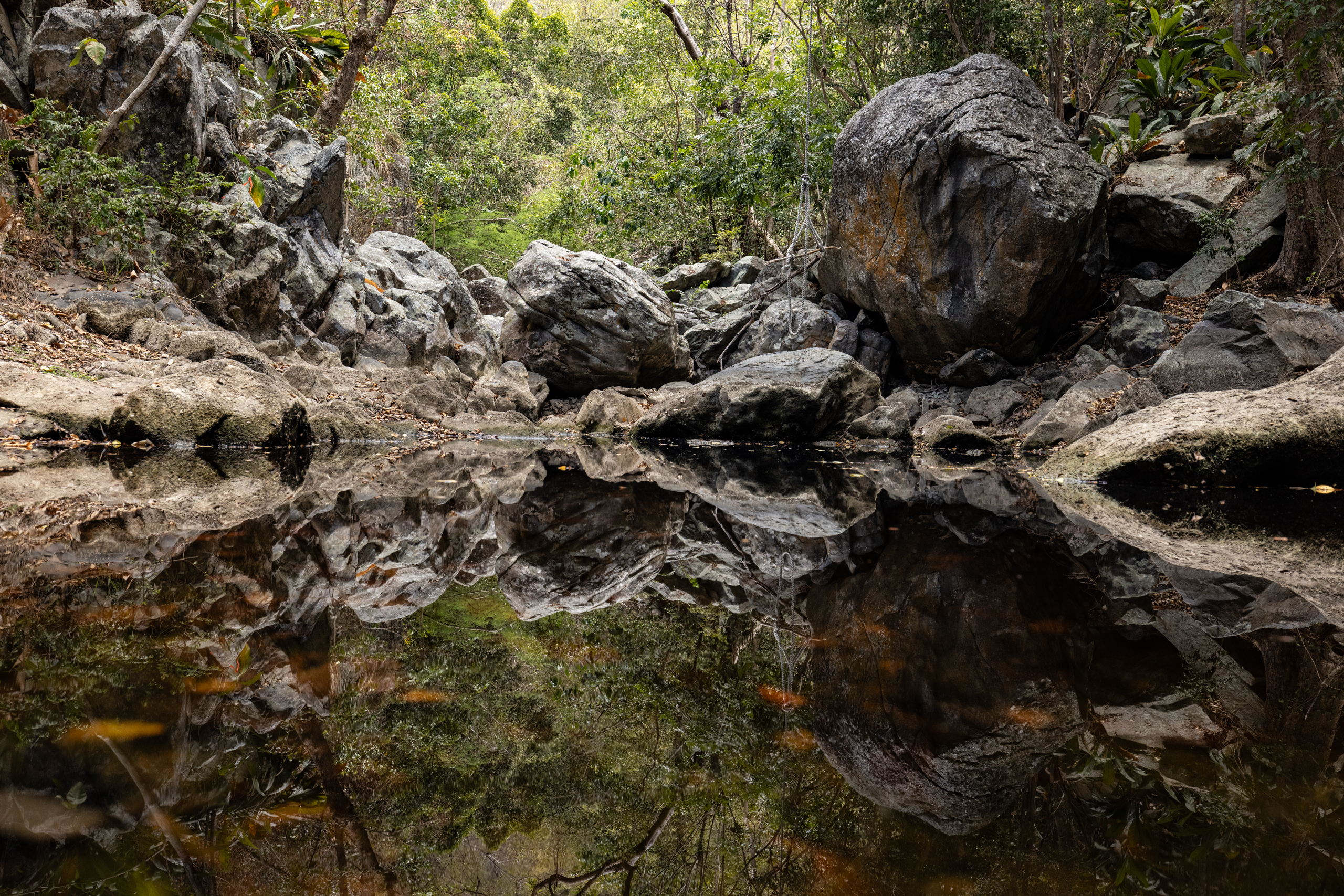
Within the guts, pools form harboring some of the only sources of freshwater life in the Virgin Islands.
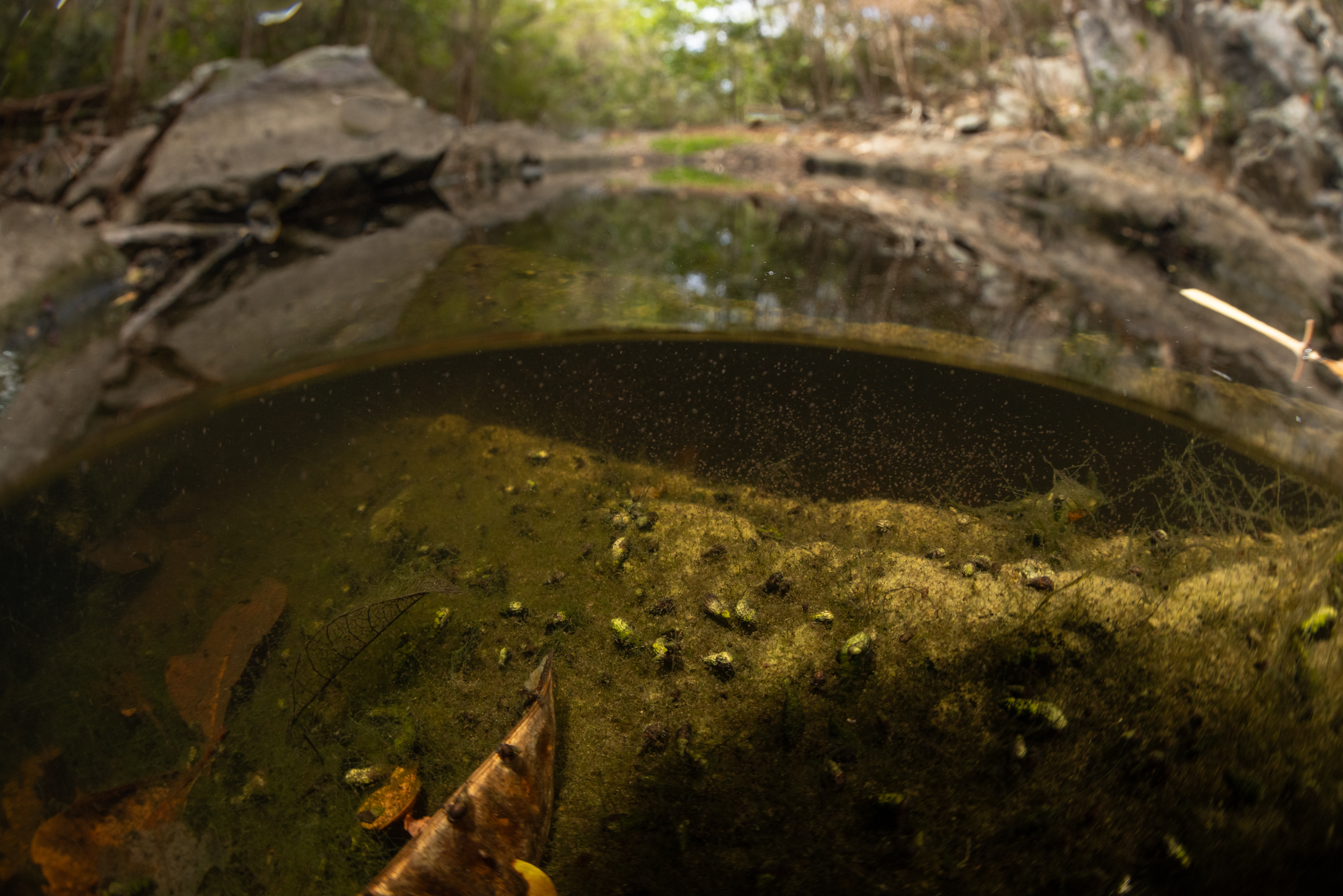
Snails are among the most abundant species in the freshwater pools, feeding on algae that grows on the rocks.
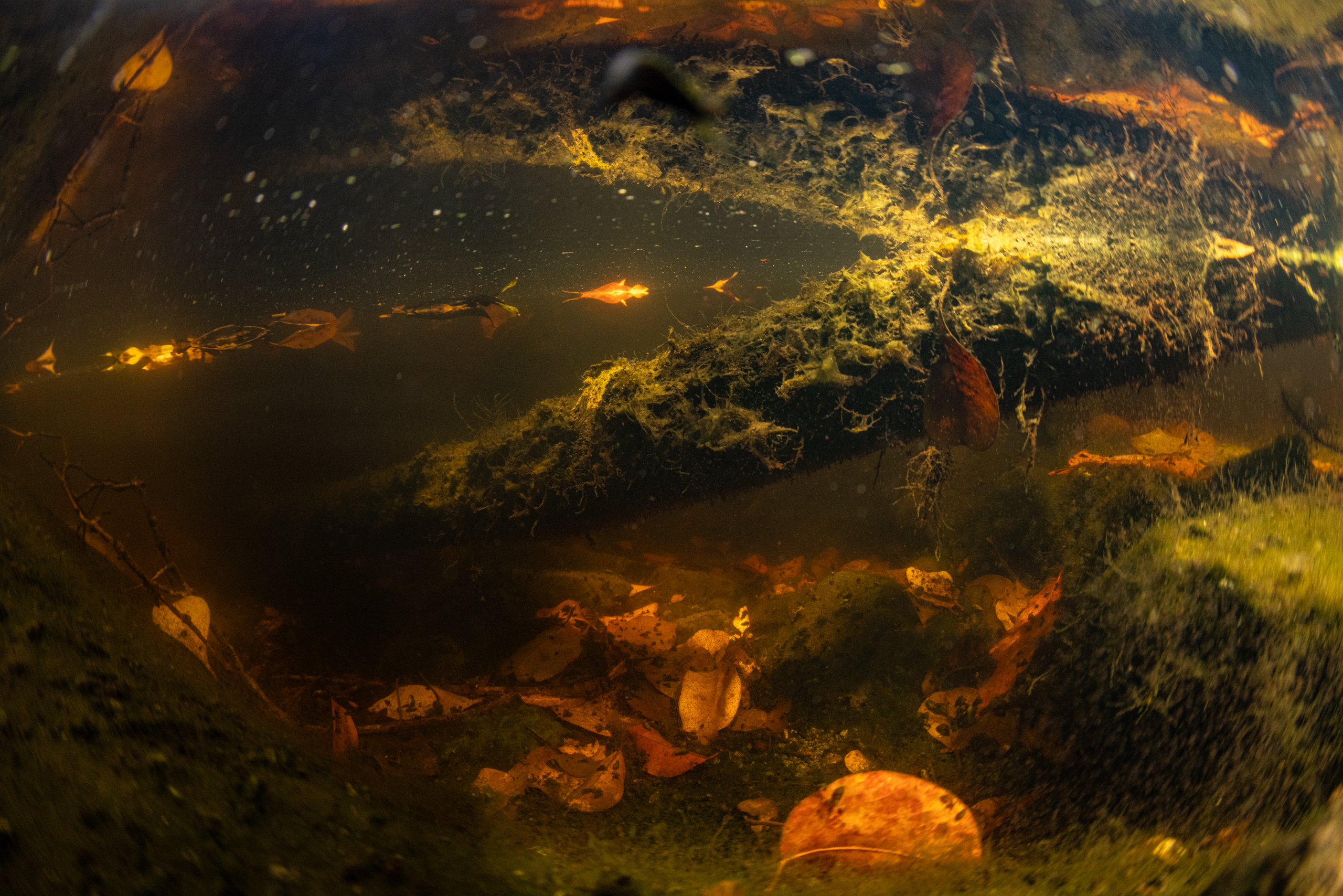
Fallen branches and leaf debris provide nutrients and hiding places for species living in the pools.
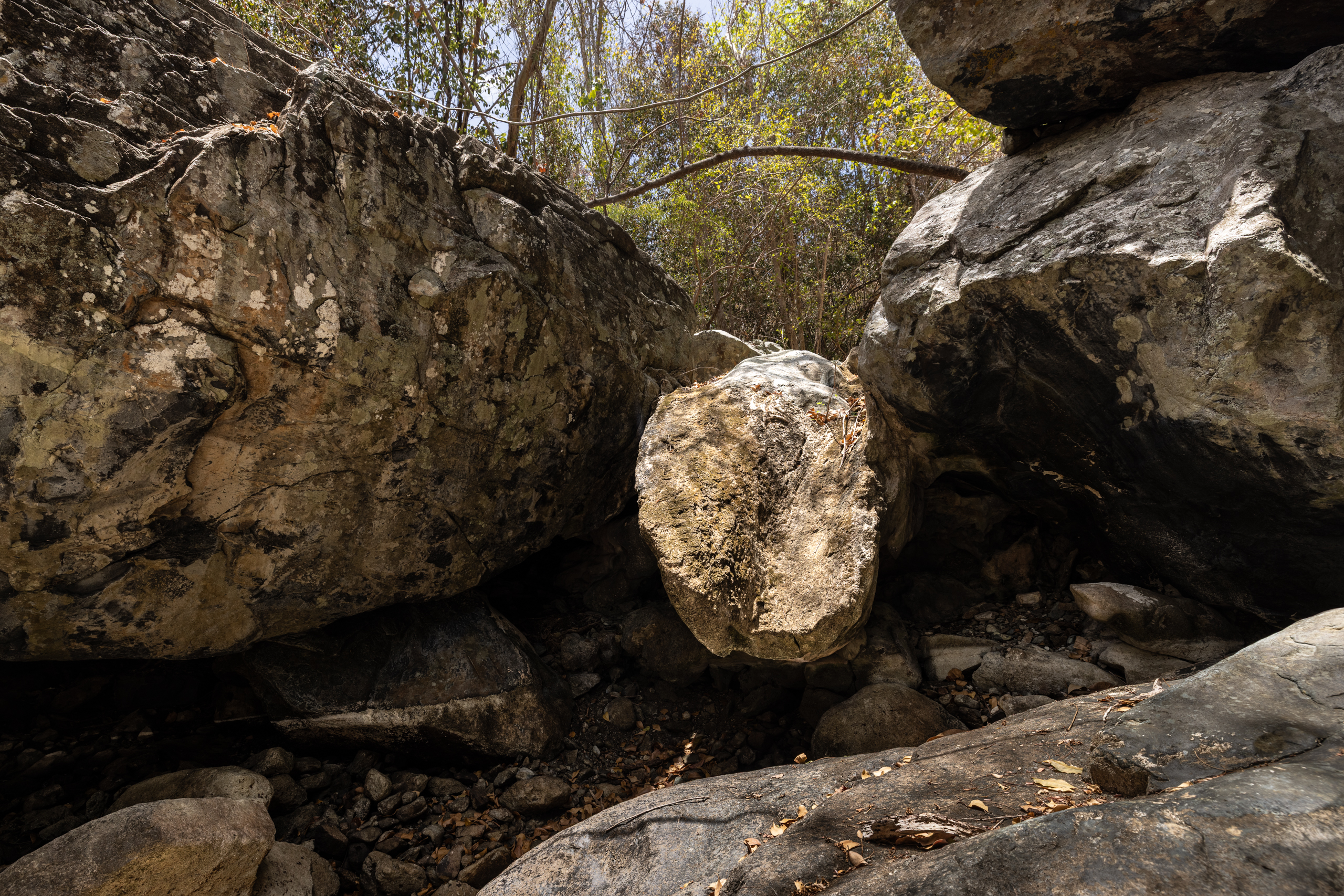
During a rainstorm, this rock likely becomes a waterfall. Over time, the flowing water will erode a passage completely through the rock.
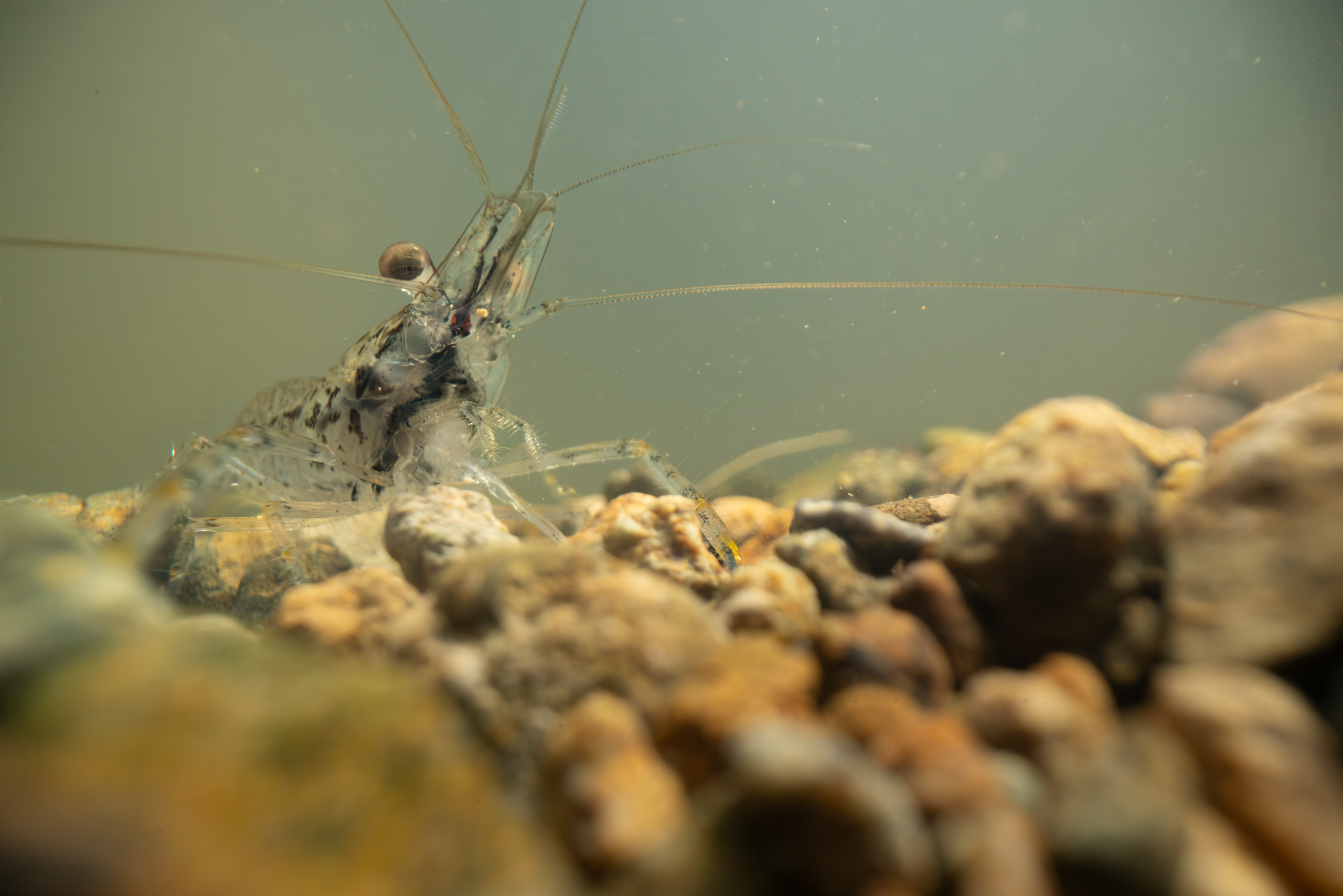
The carrot-nose shrimp (Xiphocaris elongata) is a common crustacean in many of the pools.
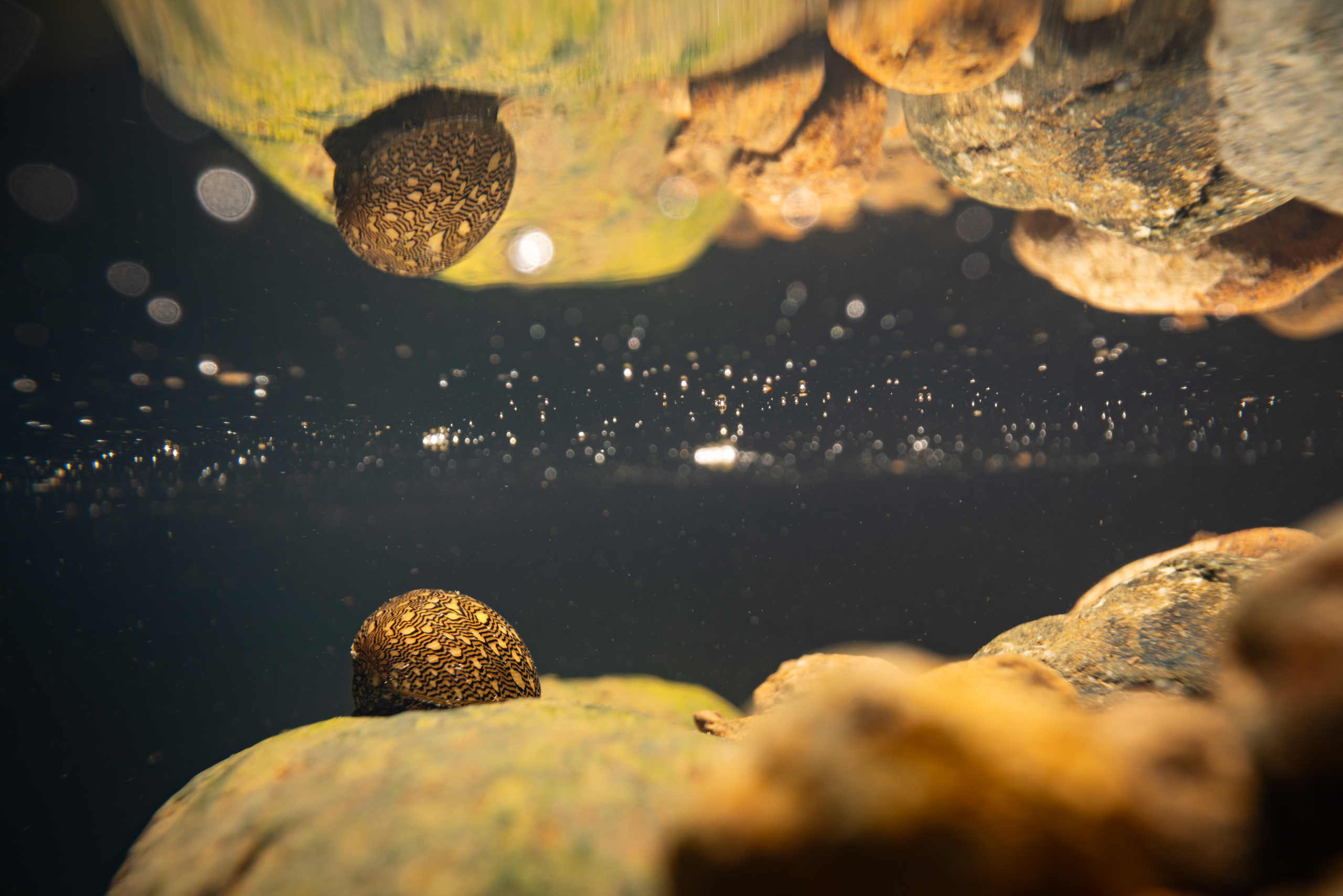
Each nerite snail has a unique shell pattern.
At lower elevations, the guts tend to flatten and widen out. The pools filled with water typically seen at higher elevations are now gone with these sections only seeing ephemeral waterflow during and shortly after a rainstorm. Hikers that wish to explore the guts will start in these flat areas.
As guts reach lower elevations, they tend to widen and flatten. Exposed tree roots along their edges reveal the path of flowing water.
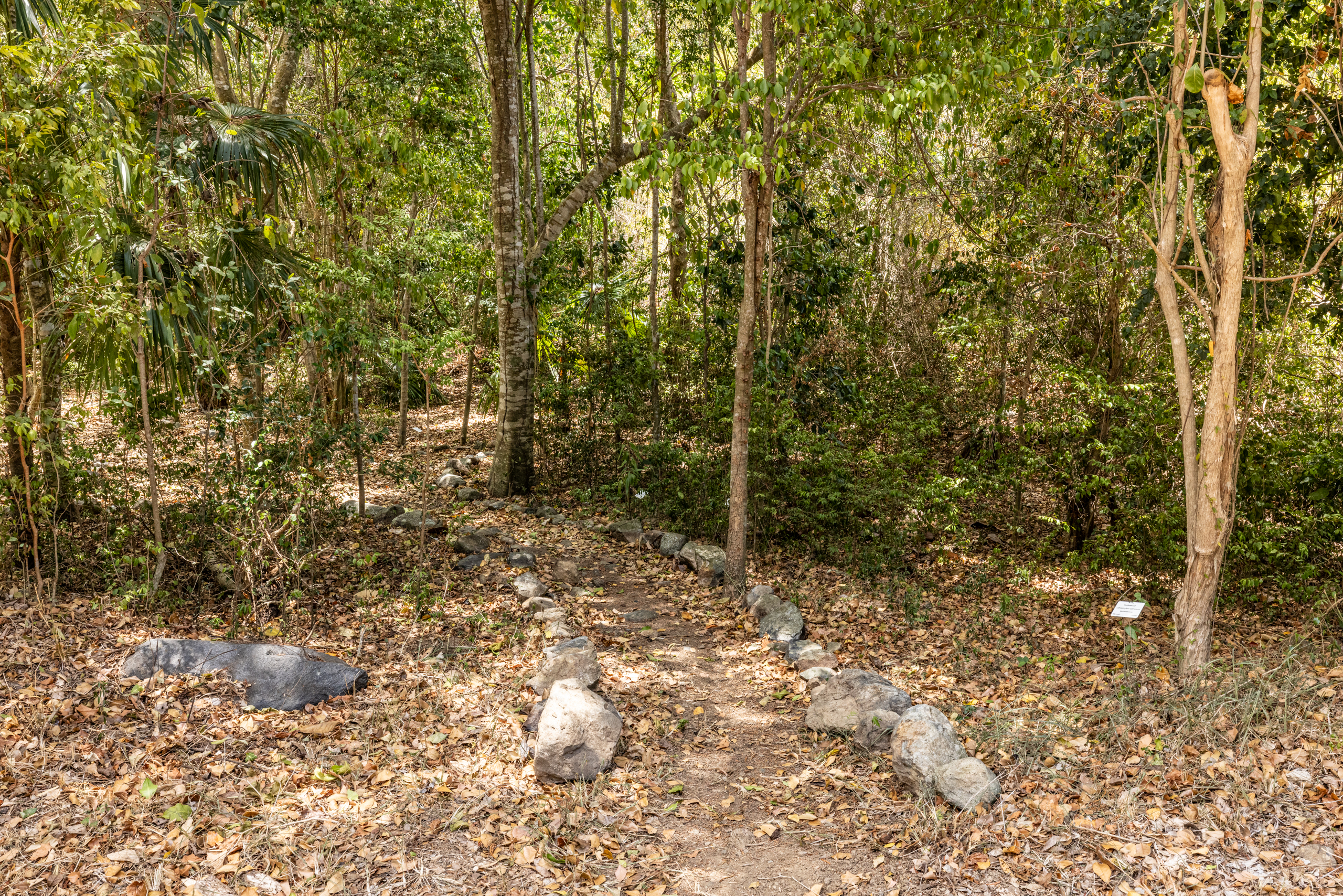
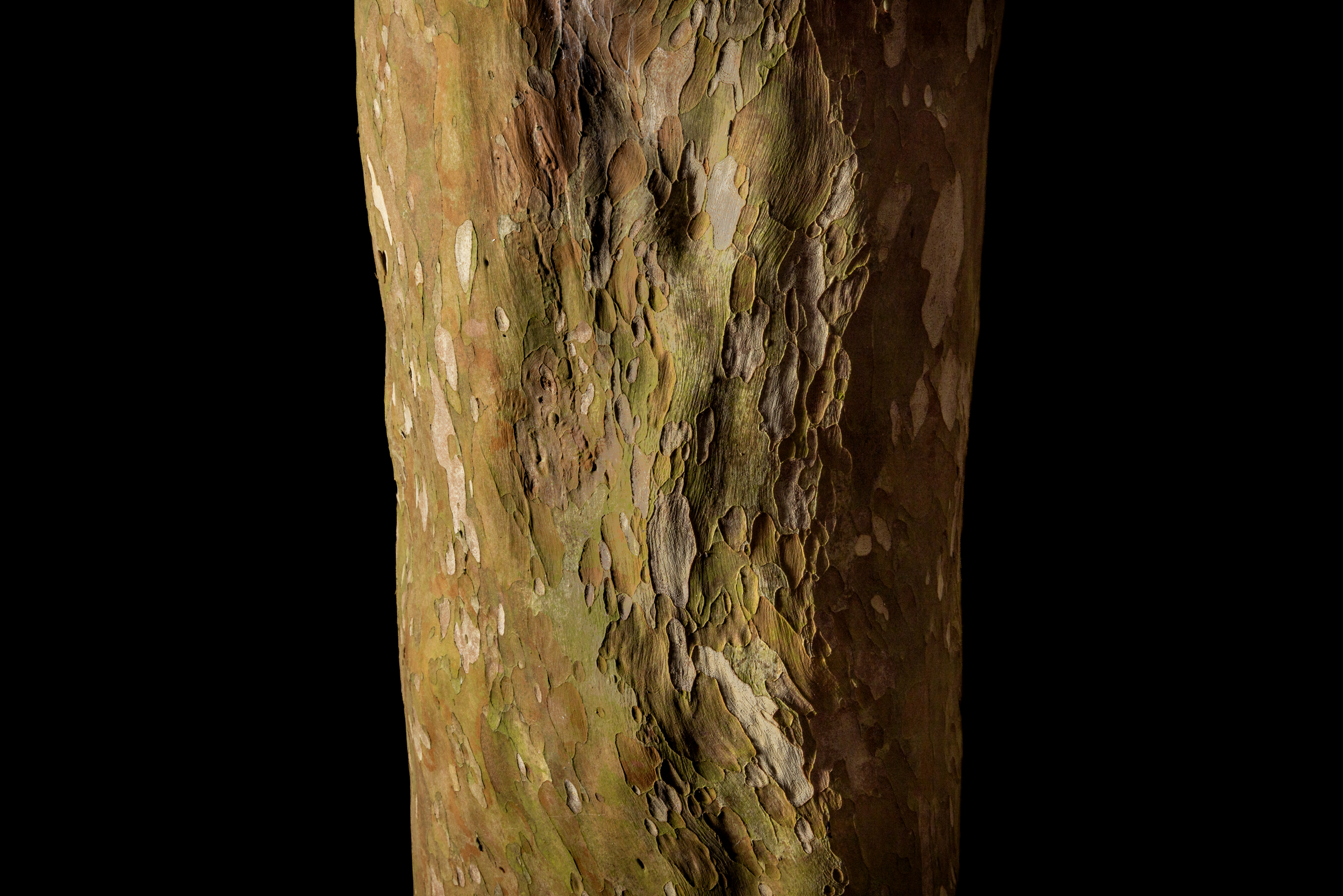
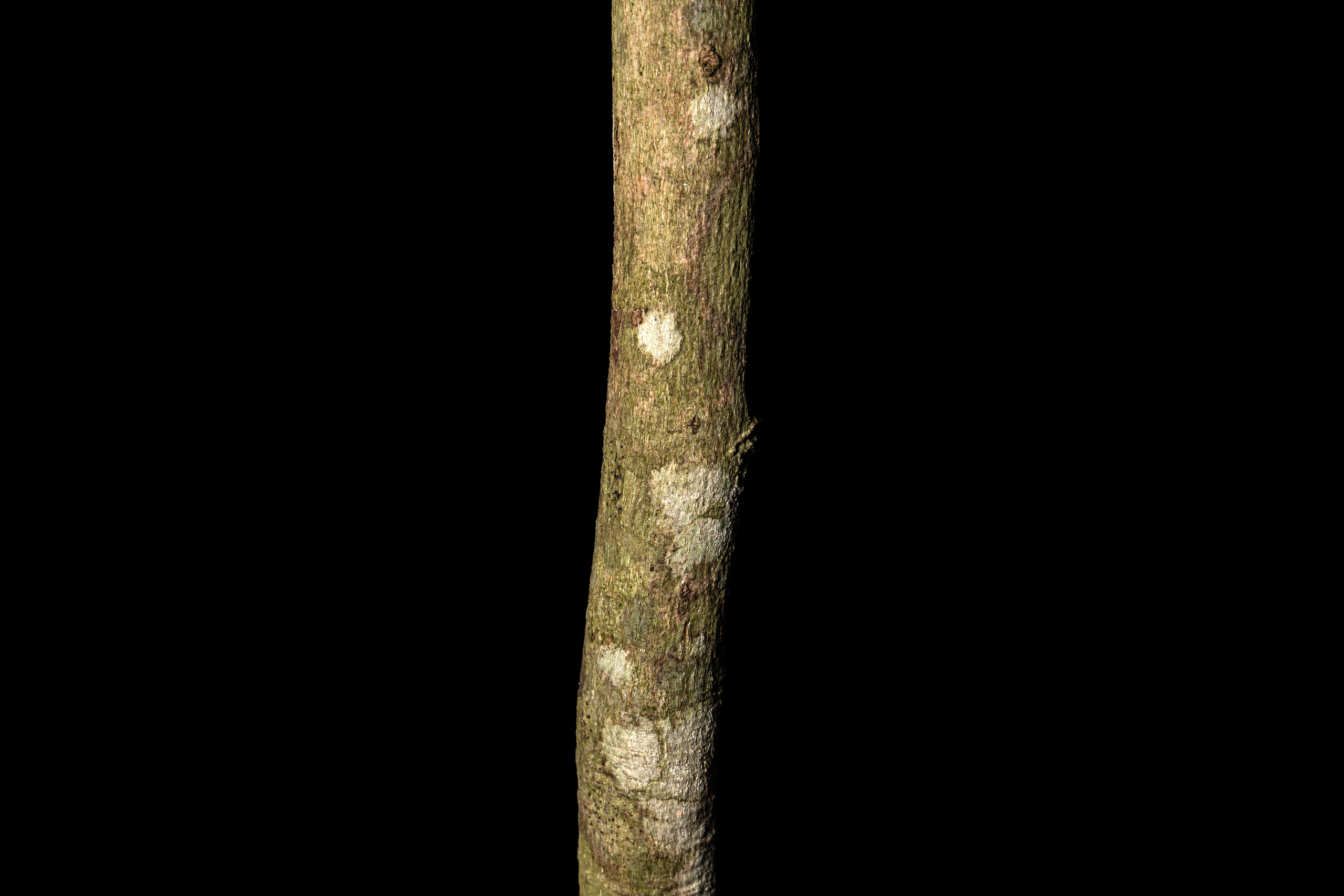
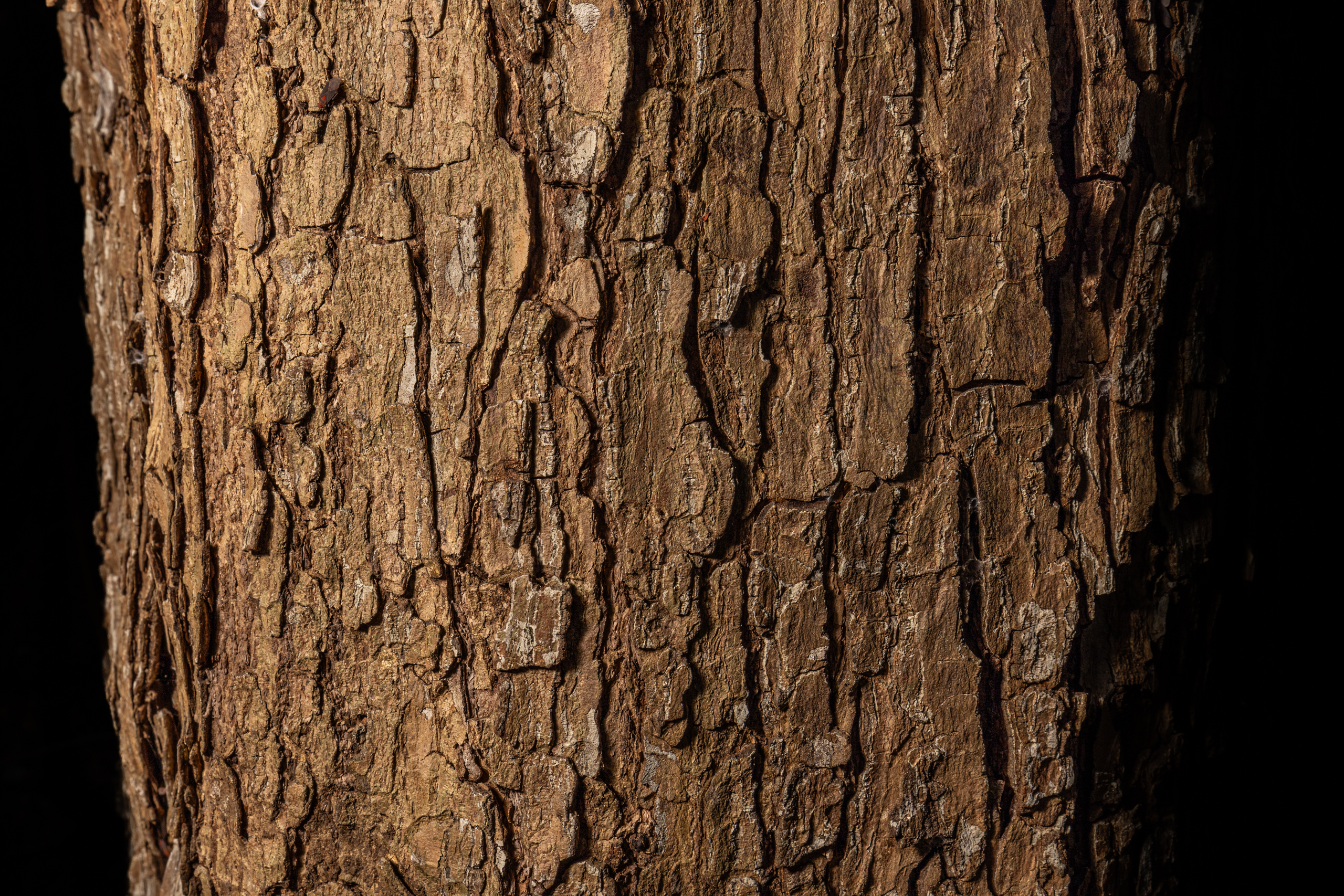
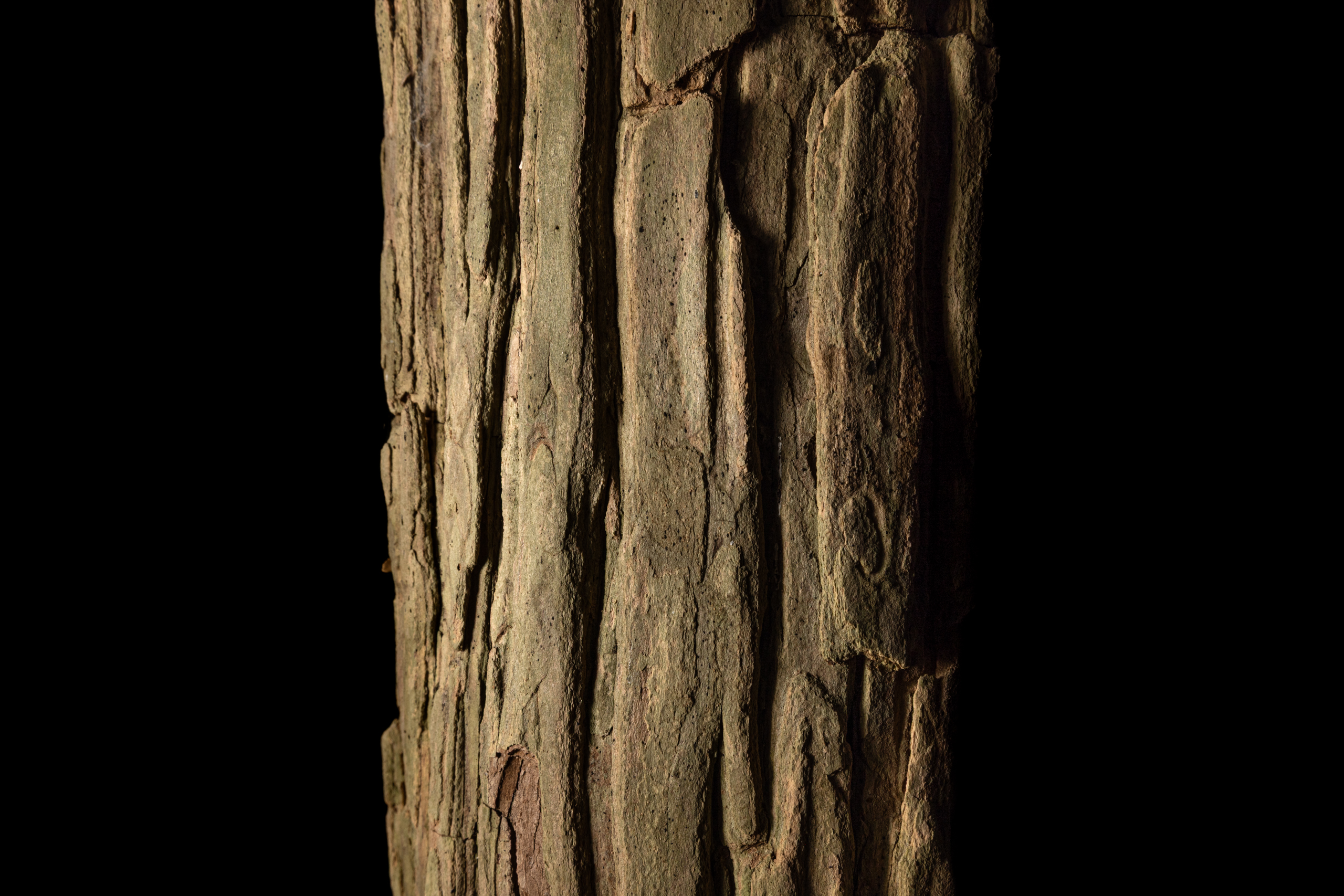
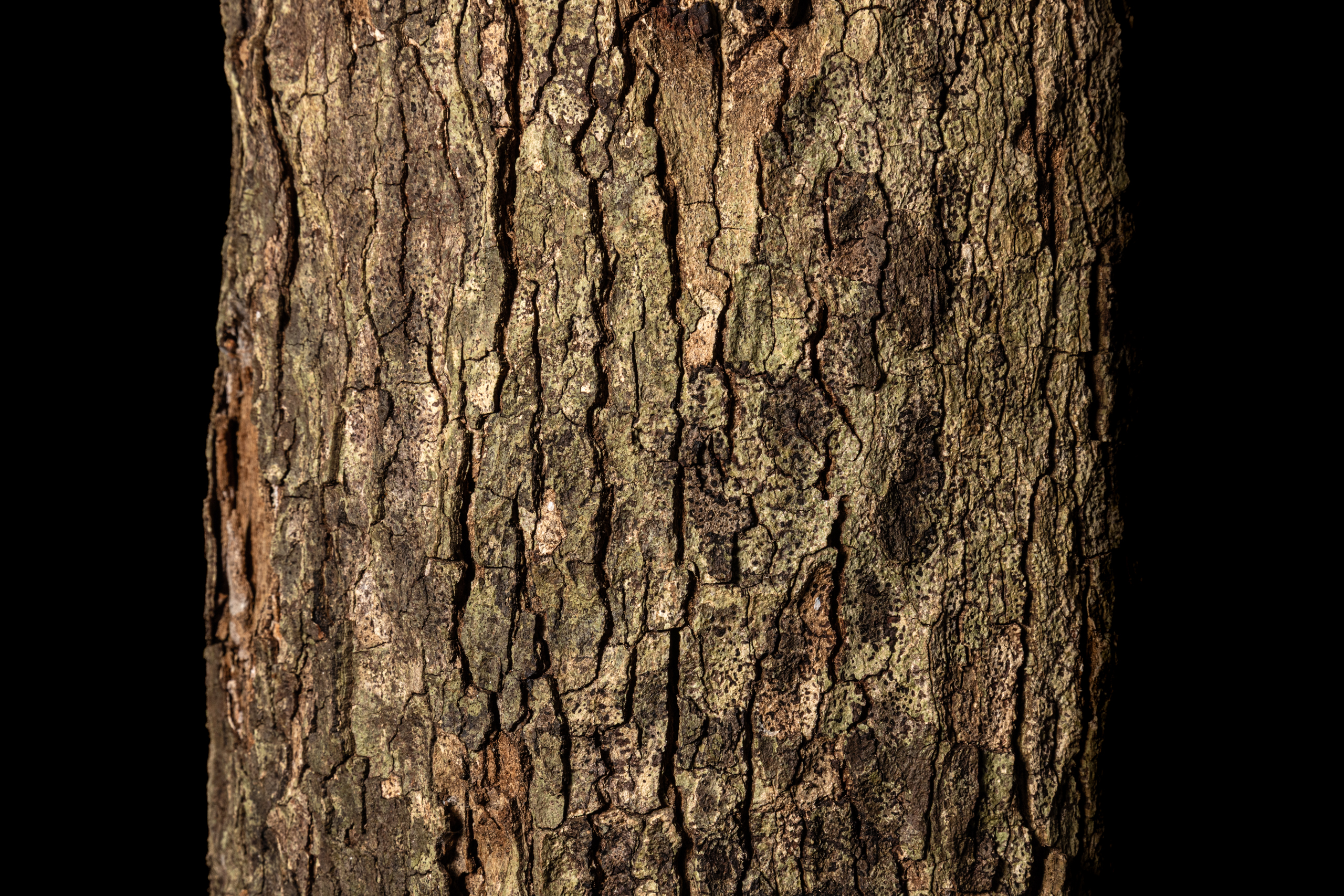
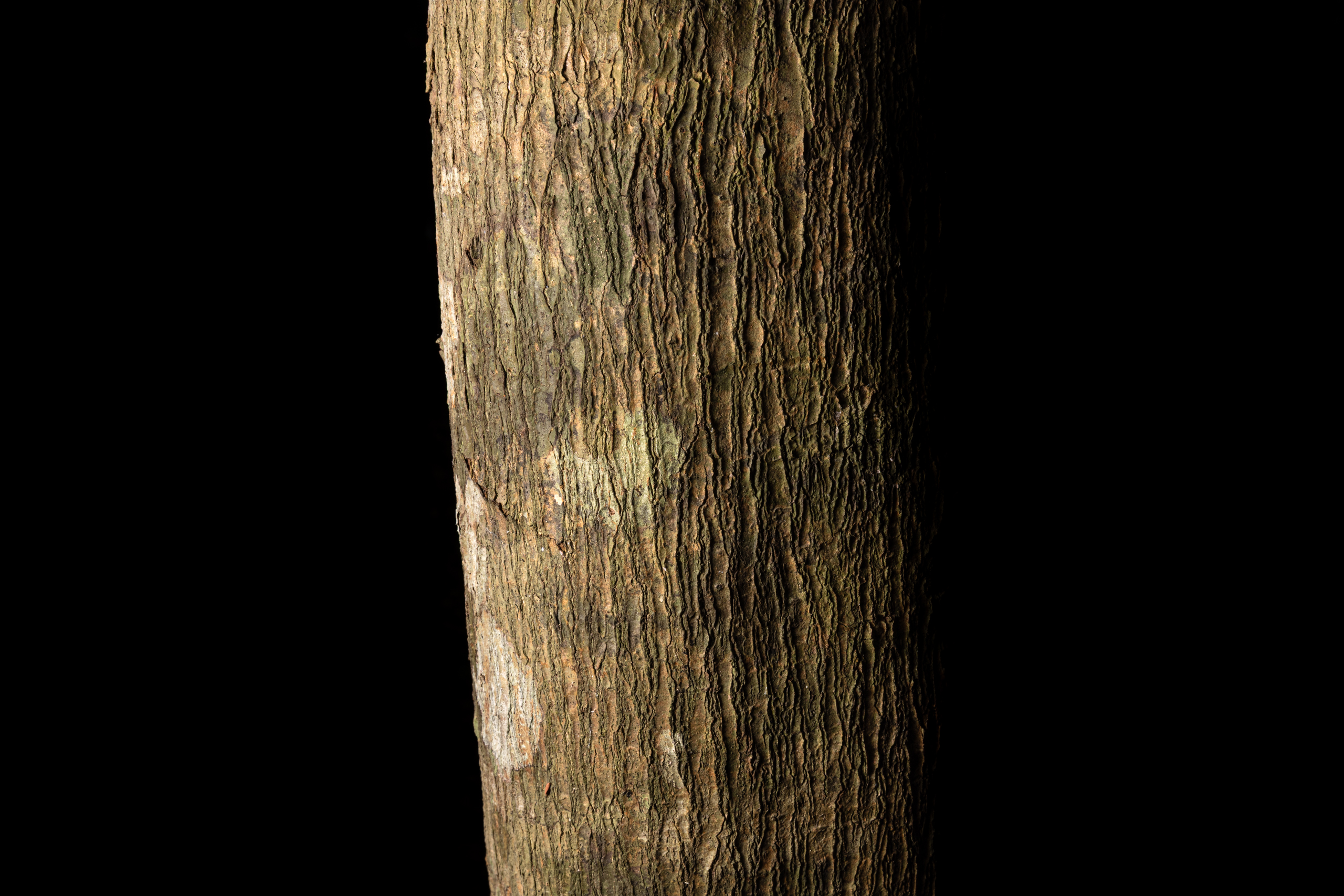
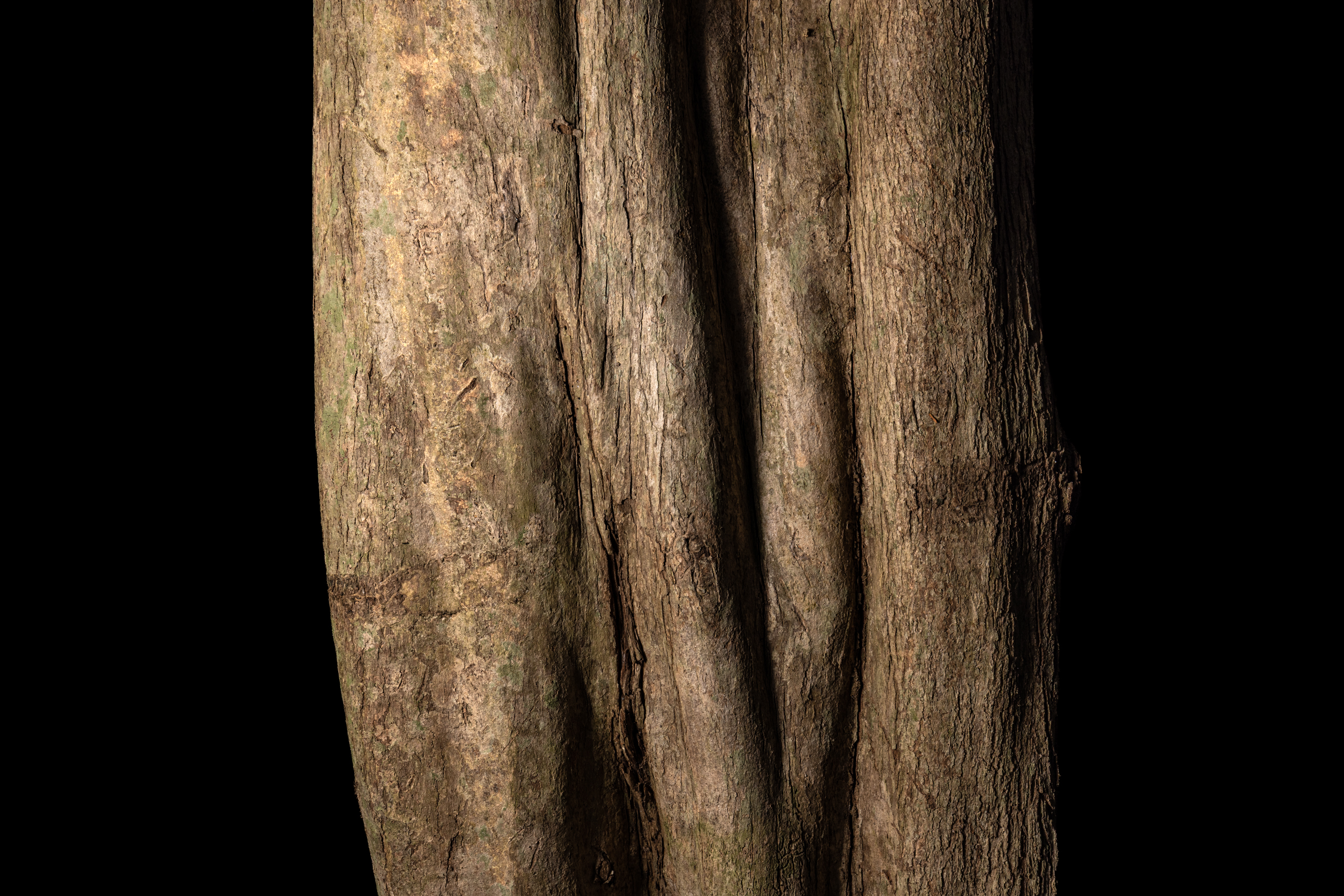
Hikers wanting to explore the guts of the NWSNP can do so by parking at the Native Plant Garden, which is also an important part of the Preserve. The Native Plant Garden is a valuable educational source for learning about the native and a few invasive plant species in the Virgin Islands. Visitors might be surprised when they learn that a few of the most common and loved trees are actually not from here. An adventurous visit to the NWSNP could include parking at the Native Plant Garden, learning about the various native trees, then hiking up the gut and trying to identify some of the trees you just learned.
Native Plant Garden
The St. John Native Plant Garden, located along Marina Drive heading into Fish Bay, was initially established in 2010 through the Island Resource Foundation with the help of an Urban and Community Forestry grant. Volunteers from the Estate Fish Bay Owners’ Association, with guidance from St. John horticulturalist Eleanor Gibney, they removed invasive species and built trails containing signs labeling native trees. The idea was to create a living guide for residents to the plants naturally found in Fish Bay that could be preserved or planted on their own properties, helping avoid their unnecessary removal during home construction.
The Island Resource Foundation generously donated the property to DPNR’s Division of Territorial Parks and Protected Areas, bringing it into the Nancy Woodson Spire Nature Preserve. At the time, the property had become overgrown with invasive plants and was difficult to walk through. TPPA Property and Operations Manager Juan Cruz led the effort to clear the overgrowth and restore the property. Today, there is an easy walking path with tree identification signage.
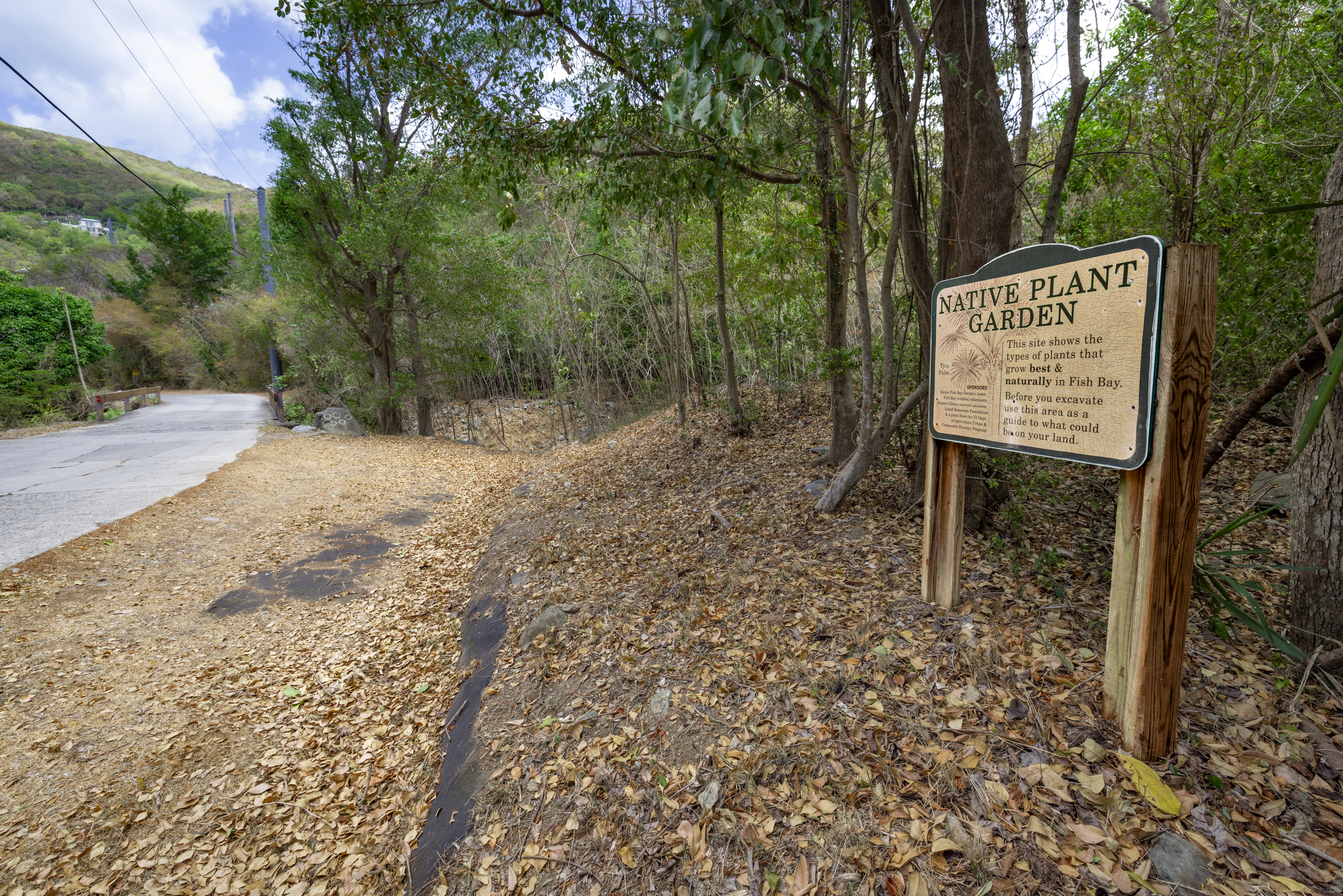
Roadside parking for the Native Plant Garden
The Native Plant Garden has a short path where you can learn how to ID various native plants species.
Guavaberry – Myrciaria floribunda (Native)
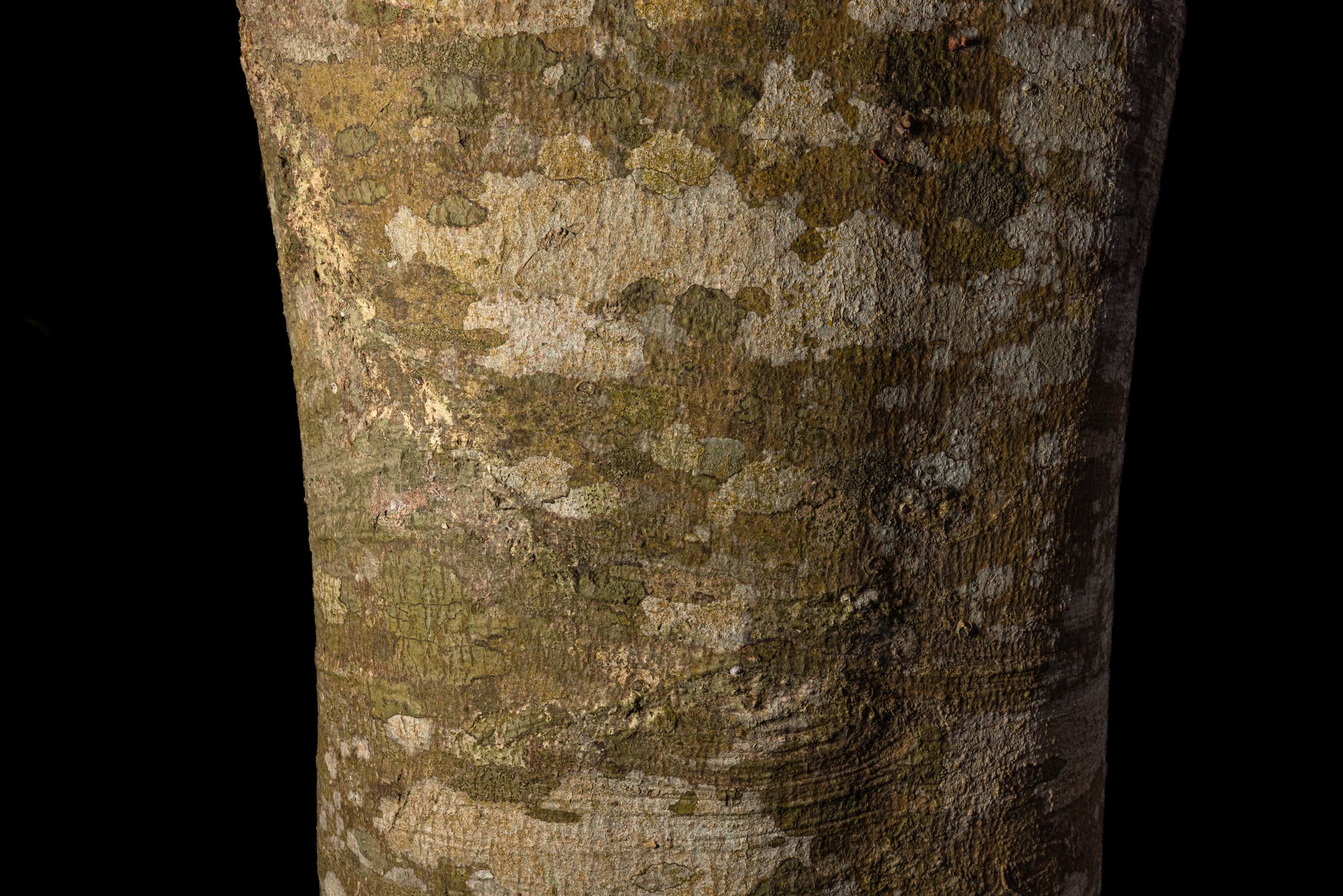
White Cinnamon – Maytenus laevigata (Native)
Gre-gre Tree – Terminalia buceras (Native)
Wedding Tree – Ginoria rohrii (Native)
Cabbage Agelin – Andira inermis (Native)
Black Mampoo – Guapira fragrans (Native)
Pigeonberry – Bourreria succulenta (Native)
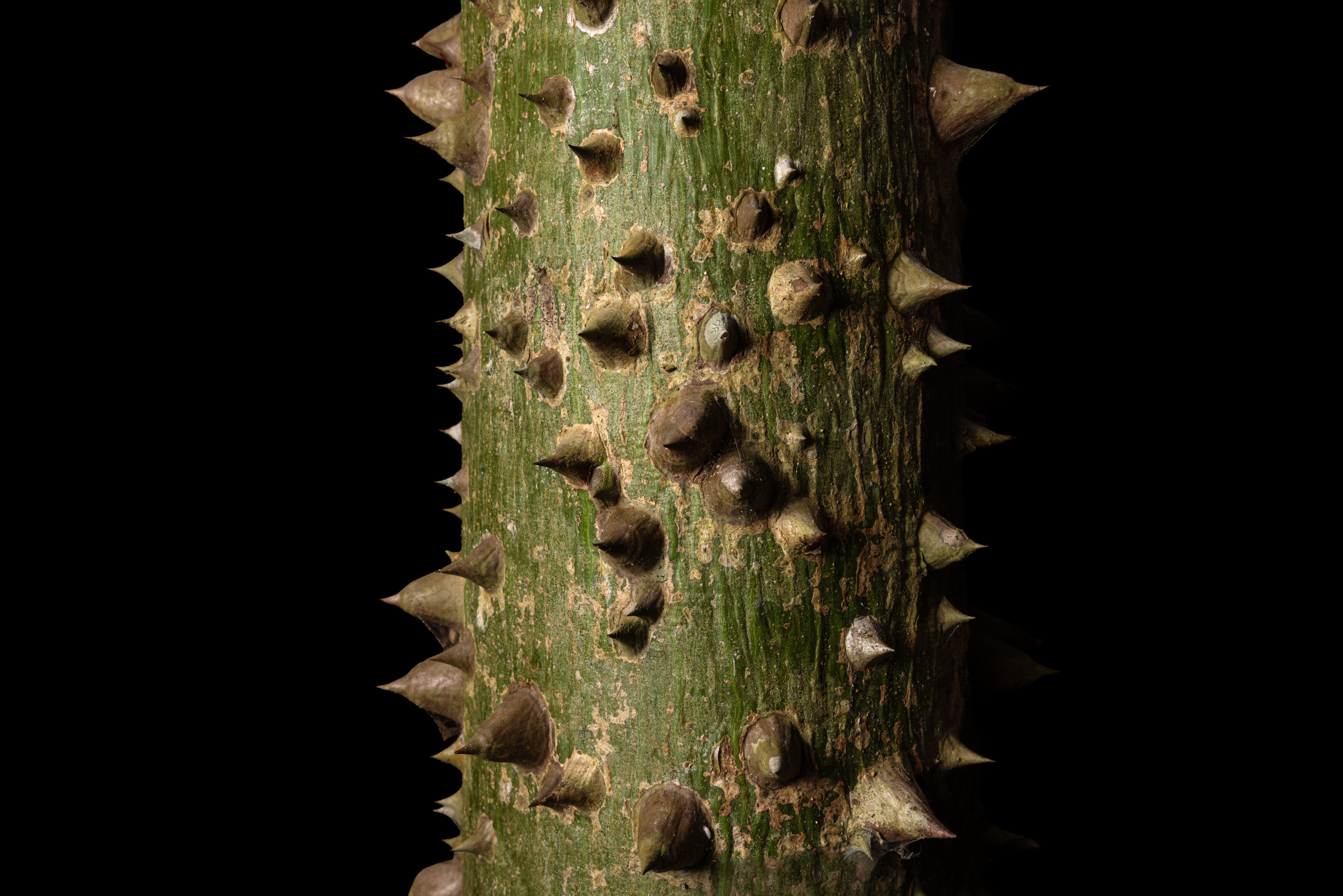
Kapok – Ceiba pentandra (Native)
Genip – Melicoccus bijugatus (Invasive)
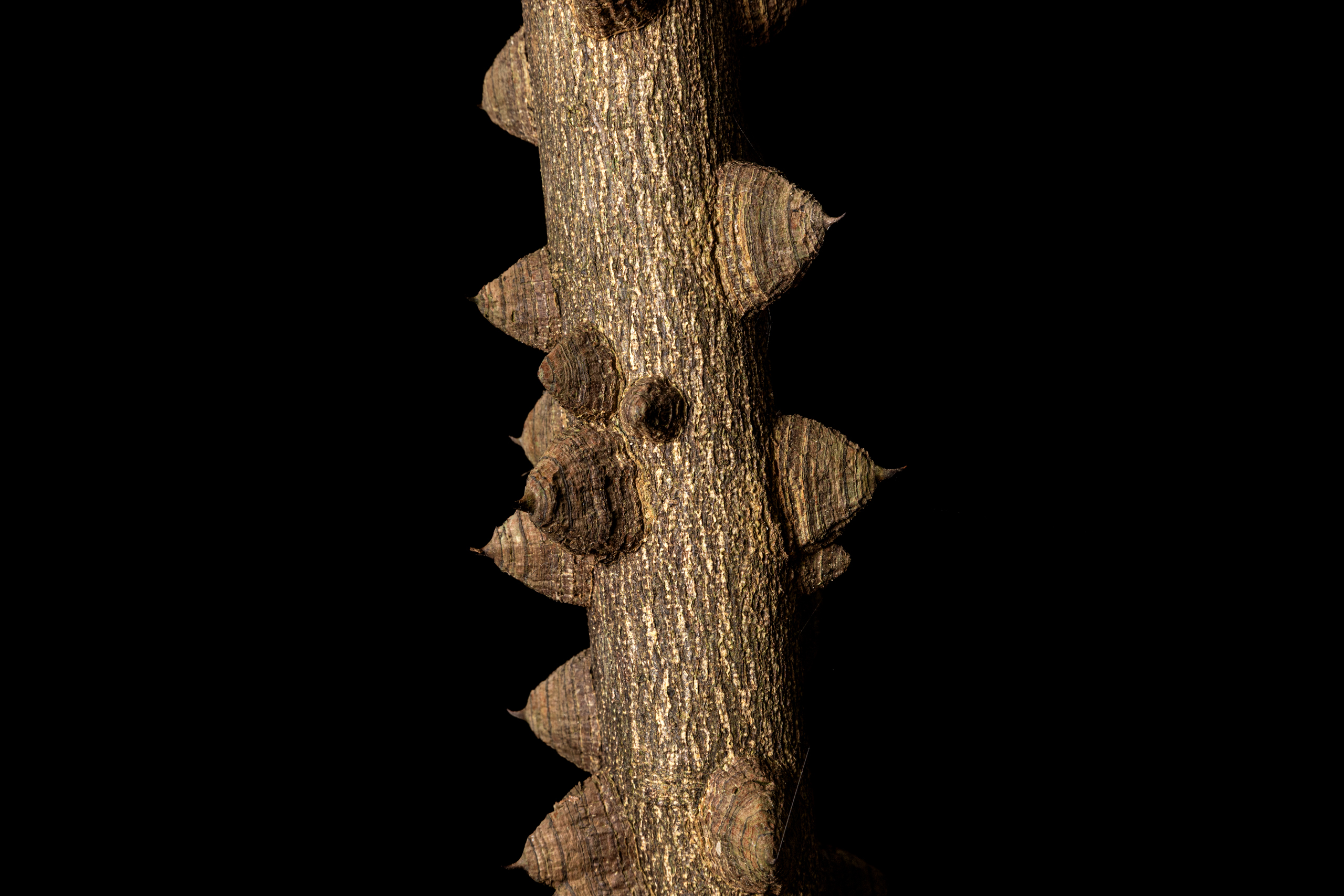
Yellow Prickle – Zanthoxylum monophyllum (Native)
Hiking downstream through the gut past the Native Plant Garden, you enter the flat wetland vegetation area bordering the beach of Fish Bay. This wetland area contains a salt pond with surrounding mangroves and lowland forest that’s essential for filtering and trapping land-based contaminants from reaching the bay. Much of this sediment ends up being trapped in the large salt pond at the base of the watershed. Historically, salt ponds in the Virgin Islands were not valued for the benefits they provide and were thus filled in and developed or opened up to the sea to build marinas.
Salt ponds are like the septic tank of the watershed. Much of the nutrients and pollutants that flow through the guts during rainstorms ends up trapped here, protecting coastal marine environments.
Intact coastal wetlands help protect coastal communities from storm surge by dissipating wave energy before it reaches buildings and homes.
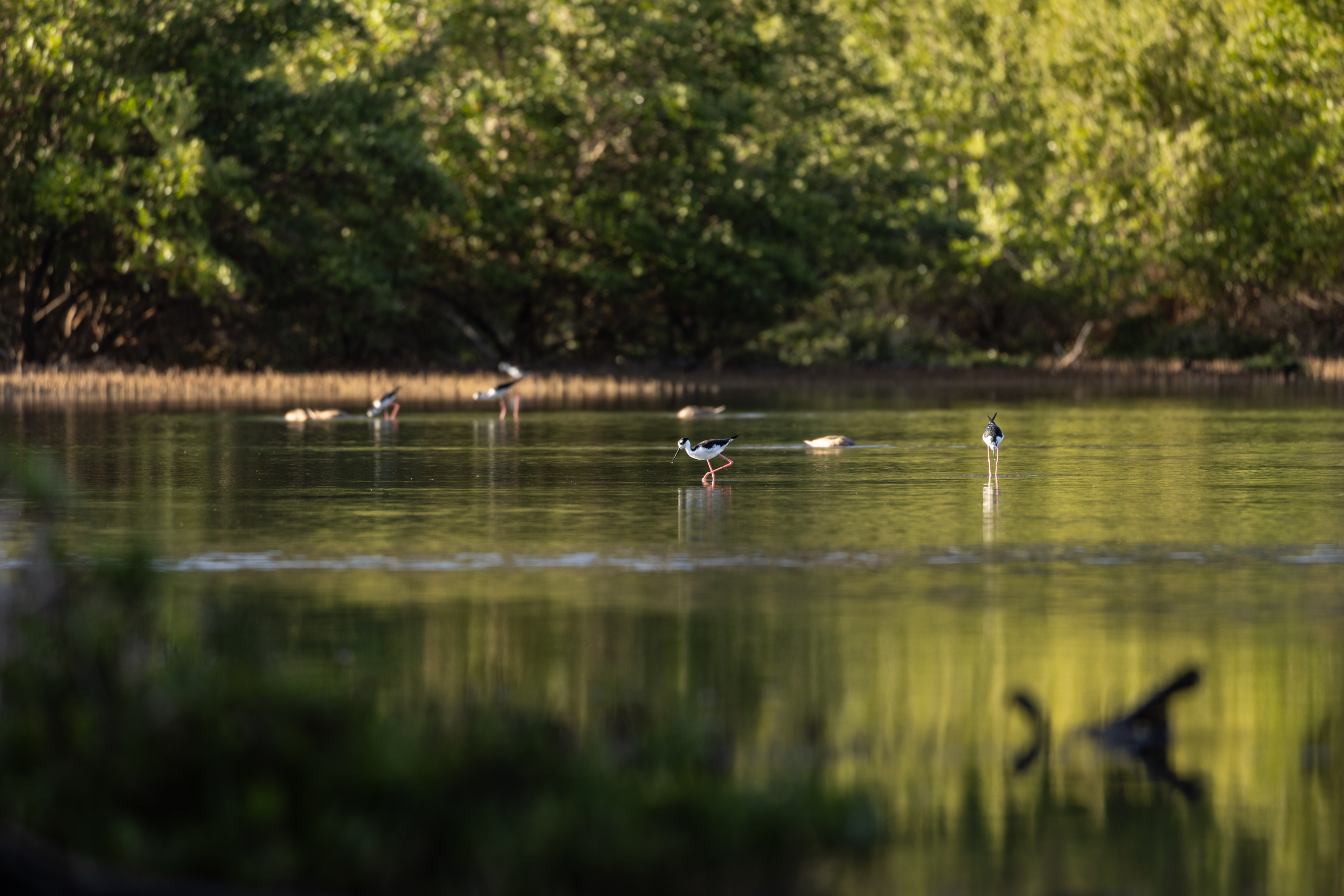
Those wishing to vist the salt pond can head east on Marina Drive from the Native Plant Garden for less than half a mile. The salt pond will be on your right with a few pull over spots on the side of the road. It takes a little effort to reach the water’s edge as it’s usually muddy, but visitors will be greeted with an assortment of birds generally not seen in other Virgin Islands habitats. Some of these birds are year long resides while others are migratory. You can think of the salt pond as an essential stopping point for these migratory species. Without them, it would be like having no gas stations on a long road trip.
Salt ponds are essential habitat for coastal birds, providing important stopover sites where migratory birds can rest and refuel before continuing their journey.
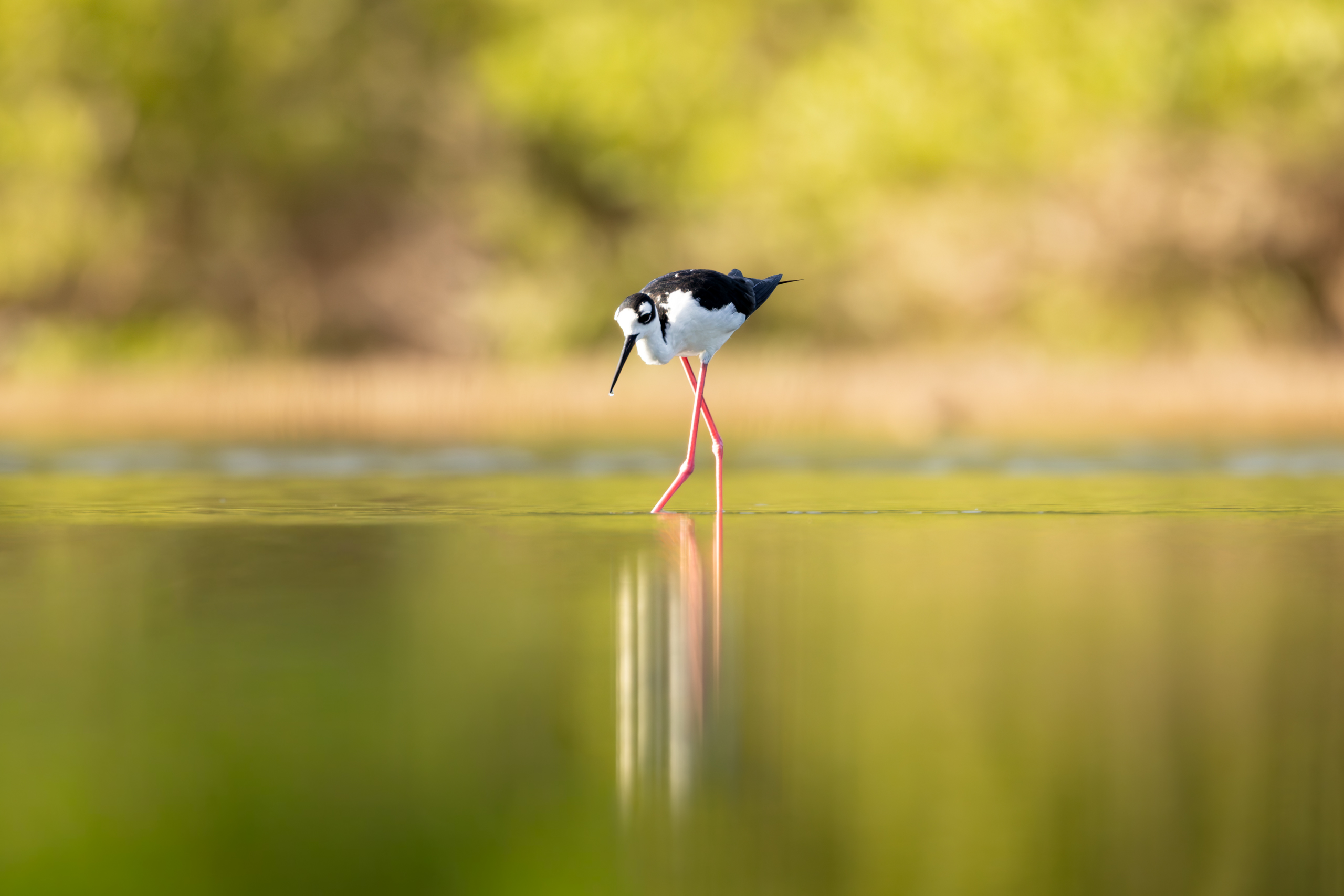
Black-necked stilts (Himantopus mexicanus) have the second-logest legs relative to its body size of any bird.
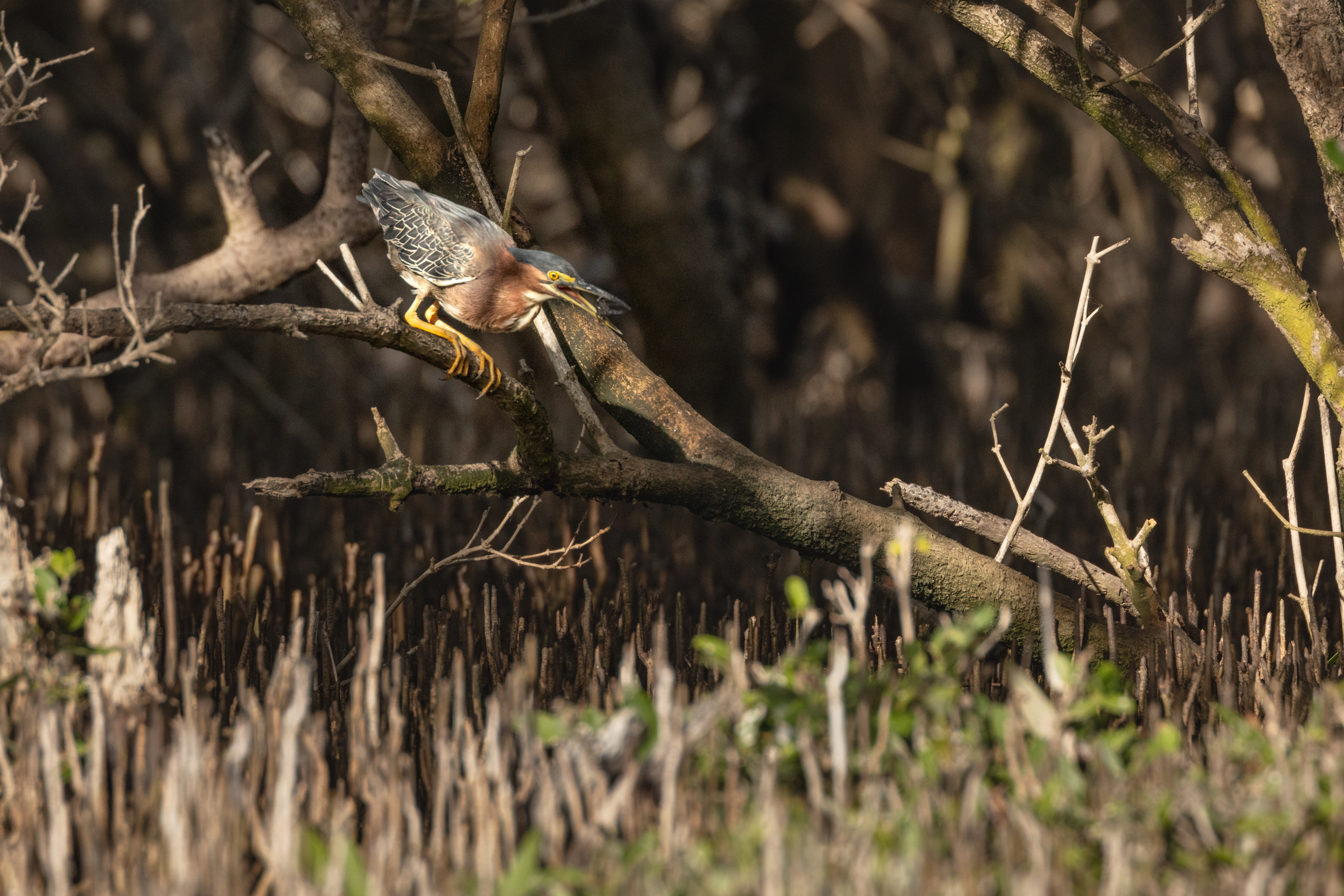
Green herons (Butorides virescens) are known to catch insects and other small creatures and use them as bait to lure fish—their preferred prey.
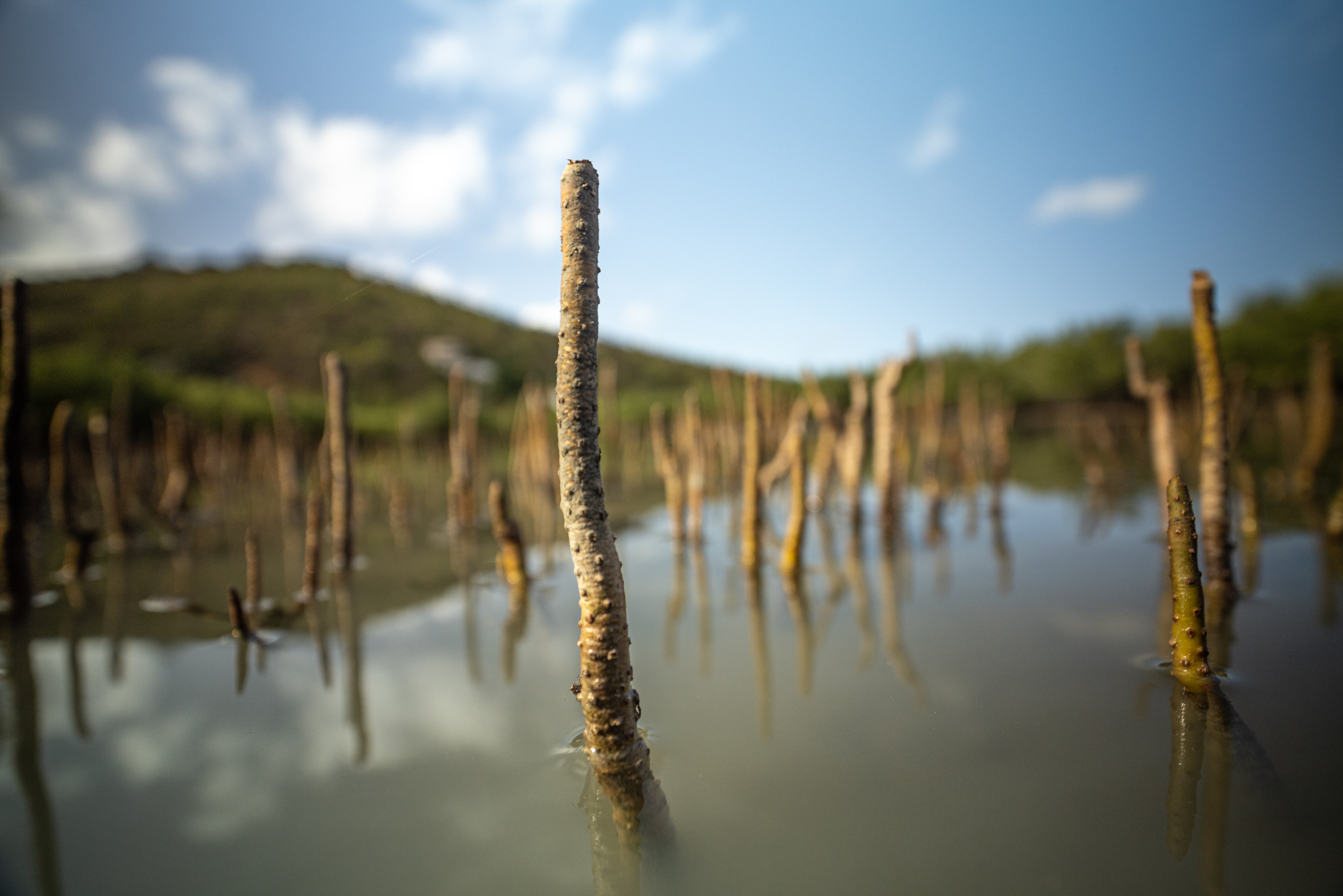
Pneumatophores, specialized roots of black mangroves (Avicennia germinans), are essential for providing oxygen to the tree’s root system, which grows in muddy, oxygen-poor soils. They also provide habitat for other species, creating a miniature forest in just a few inches of water.
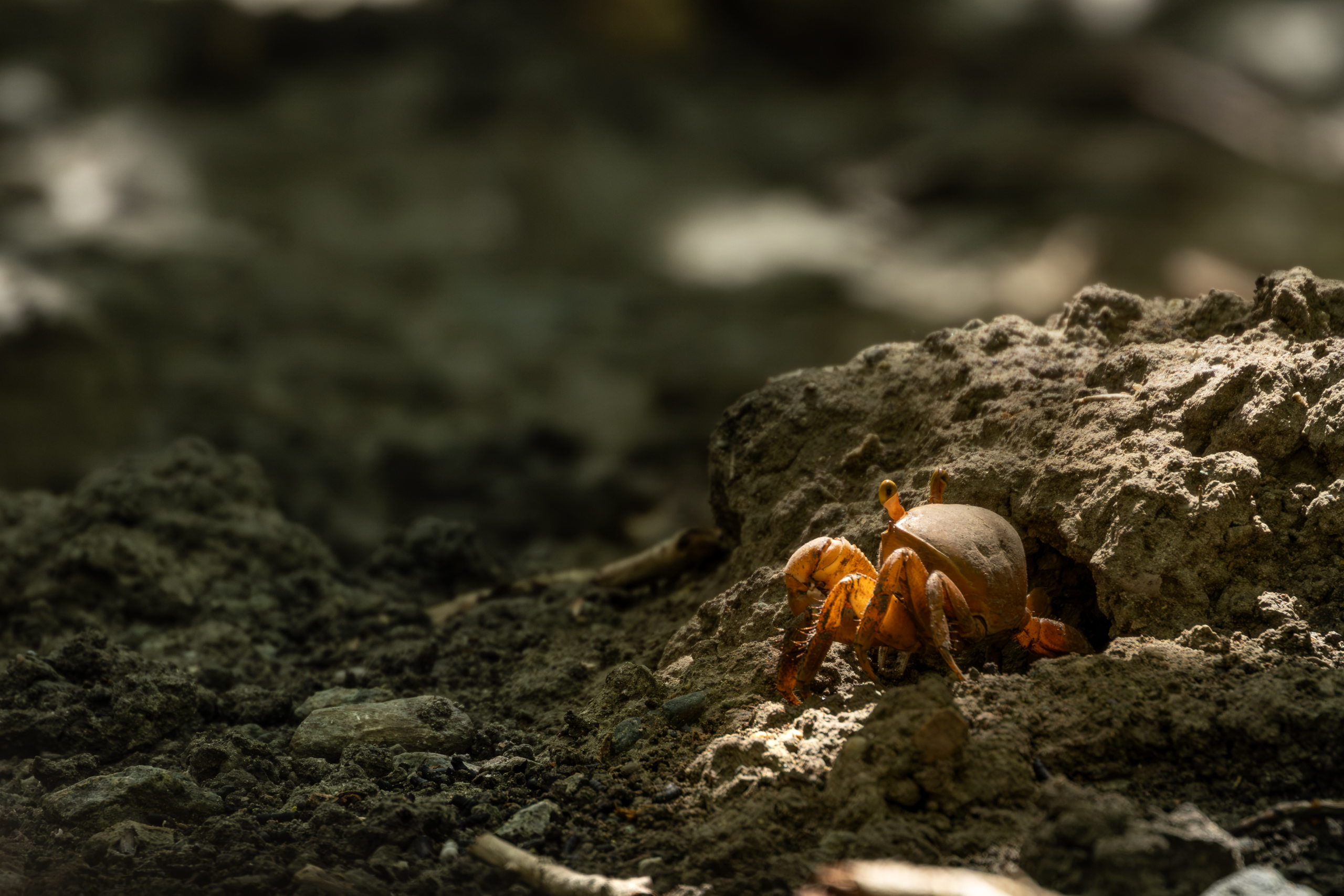
The last stop on this journey from ridge-to-reef sits between the salt pond and the beach. This flat, muddy area is dominated by land crabs. Their deep underground burrows can extend up to six feet, influencing the hydrology of the area, which also helps aerate the soil. Similar to earthworms in other habitats, land crabs are essential for the nutrient cycling process. By foraging on leaf litter, decaying plant matter, and dead animals, they speed up the decomposition process and enrich the soil. If you stumble upon a group of land crabs, it’s best to take a seat and wait. At first, they’ll all scurry back into their burrows, but if you wait long enough and remain still, the entire ground around you will turn into a moving surface as hundreds of crabs delicately clean the forest floor.
Blue land crabs (Cardisoma guanhumi) are ecosystem engineers as they shape the land in which they inhabit. Despite their common name, they're actually orange as juveniles.
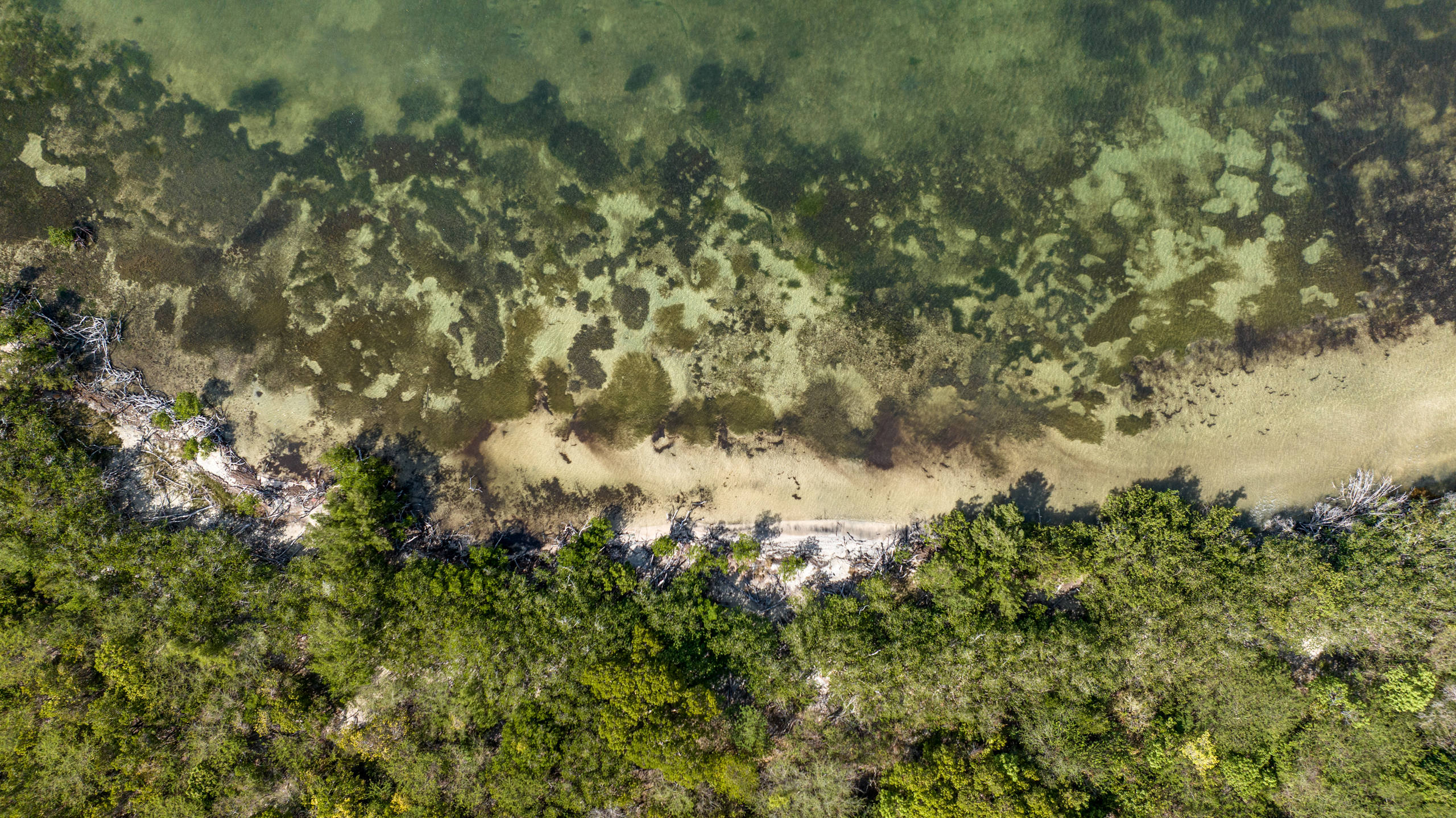
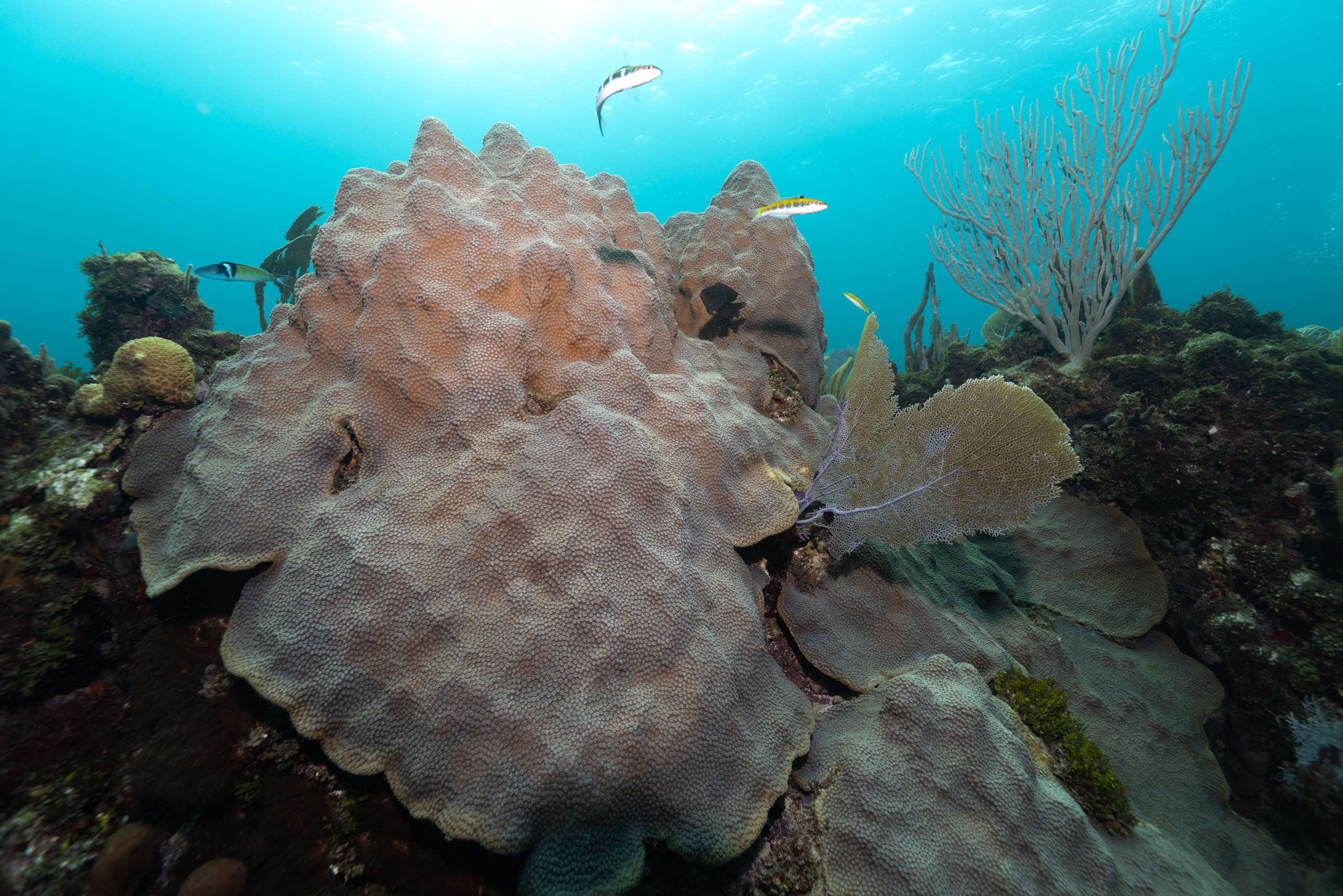
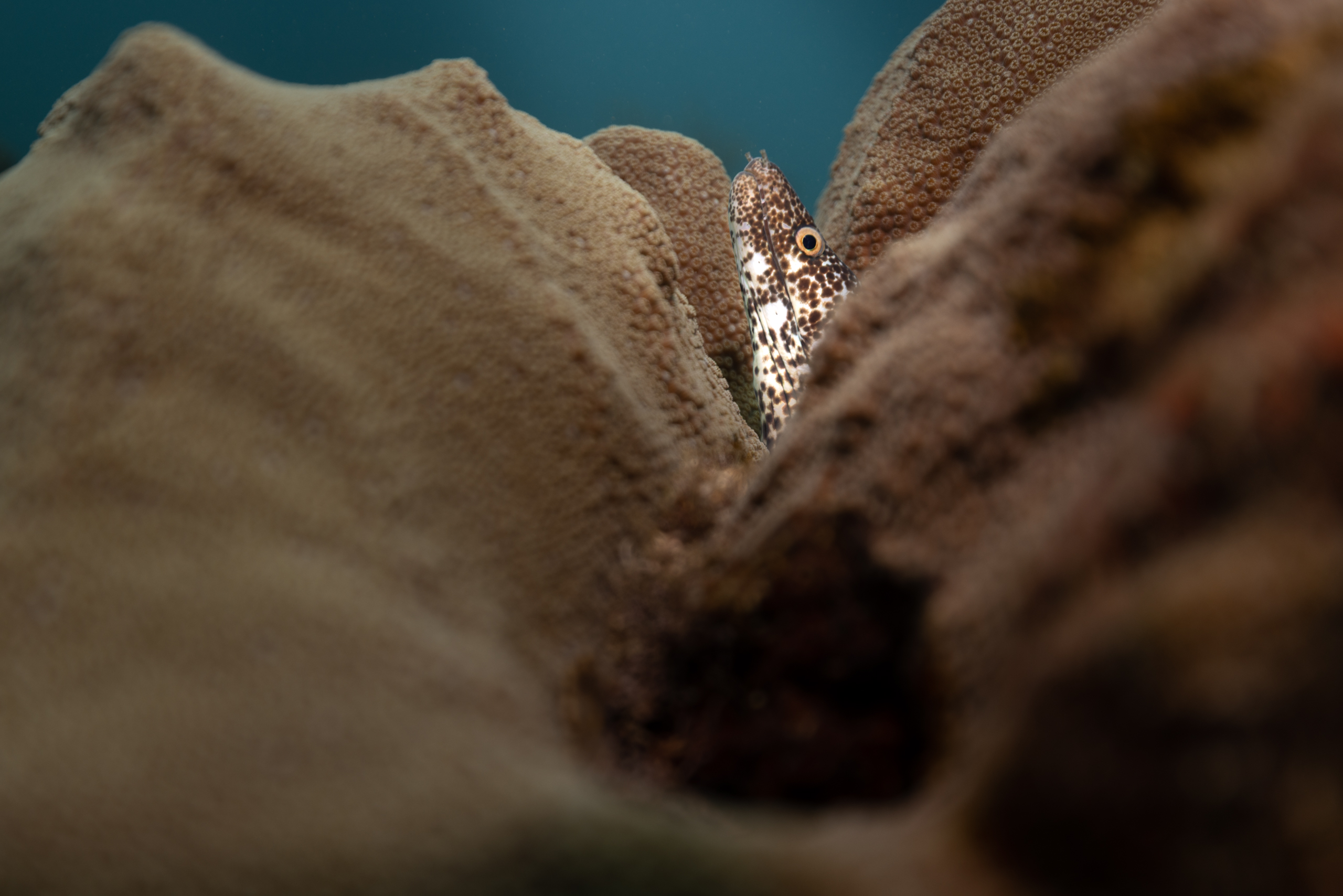
While the boundaries of the NWSNP end at the coastline of Fish Bay, the benefits of protecting its watershed extend well beyond the preserve. The bay is home to coral reefs that support a wide variety of marine life, and what happens on land can directly affect them. By protecting the watershed, the preserve helps reduce the sediment and pollutants that can wash into the bay and damage the reefs. Yet another example of how protecting the watershed also helps protect the ecosystems downstream. This demonstrates how thoughtful land conservation can have benefits far beyond the boundaries of a preserve.